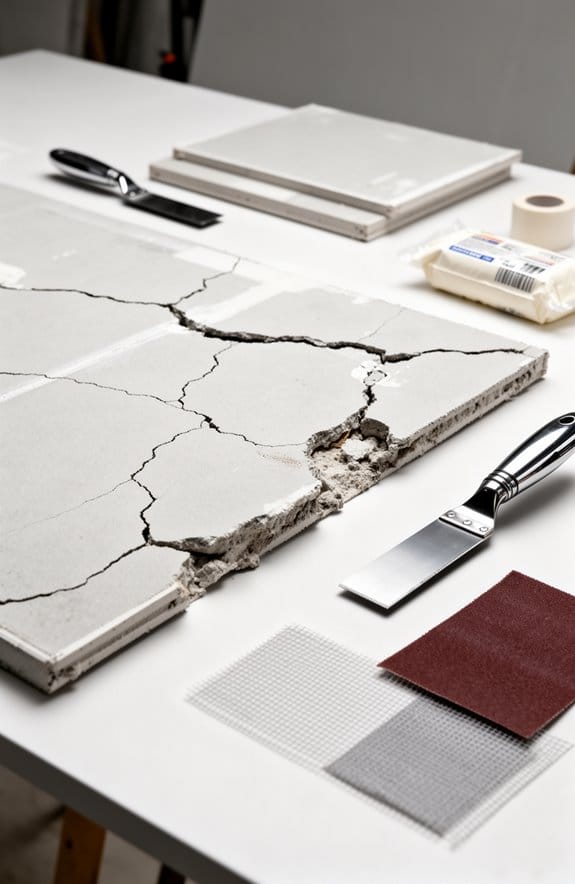
Have you noticed cracks in your home’s foundation? It’s a common concern, but not all cracks are created equal.
Settling cracks, which are typically less than 1/8 inch wide, happen naturally as the soil beneath your house compresses. Good news, right? These cracks usually don’t mean much and are often harmless.
On the other hand, you need to pay close attention to wider cracks—especially those over 1/4 inch. These could be serious and might signal structural problems that require immediate attention. Keeping an eye on crack sizes is key, particularly in critical areas like corners and around windows.
If you notice them changing, it’s time to take action.
So, why does this matter? Catching these issues early can save you from more extensive (and expensive) repairs down the road. Here’s a tip: take some notes on what you see and when. That way, you’ll have a clear picture when it’s time to reach out for professional help.
To sum it up, not all foundation cracks spell doom, but some definitely should raise a red flag. Stay vigilant—those small changes might just be your home’s way of telling you something’s up.
Have you checked your foundation lately?
Key Takeaways
- Settling cracks are typically narrow (< 1/8 inch) and stable, indicating normal soil compression, while structural cracks are wider (> 1/4 inch) and may worsen over time.
- Settling cracks appear randomly, whereas structural cracks follow specific patterns, often presenting as diagonal or horizontal fissures.
- Vertical cracks are generally less concerning, while horizontal or diagonal cracks usually indicate significant structural issues requiring immediate attention.
- Regular monitoring of crack size is crucial, as increases in size or new cracks can signal serious foundation problems that may require professional evaluation.
- Homeowners should maintain records of crack measurements and schedule annual inspections to assess potential structural damage and prevent costly repairs.
What Are Settling Cracks and Why Do They Occur?

When it comes to settling cracks in your home, don’t panic just yet! These cracks are usually pretty minor, often measuring less than 1/8 inch wide. So what causes them? Essentially, it’s all about how your house settles into the ground as it adjusts over time. Think of it like how we all shift a bit after a long day.
A few culprits tend to cause these cracks:
- Concrete shrinkage during curing.
- Minor shifts in the foundation.
- Changes in temperature.
You’ll typically see these cracks appear in the first 5–10 years after a new home is built, especially if you’re in an area with expansive clay soils. They can be annoying, but they’re usually not a cause for concern.
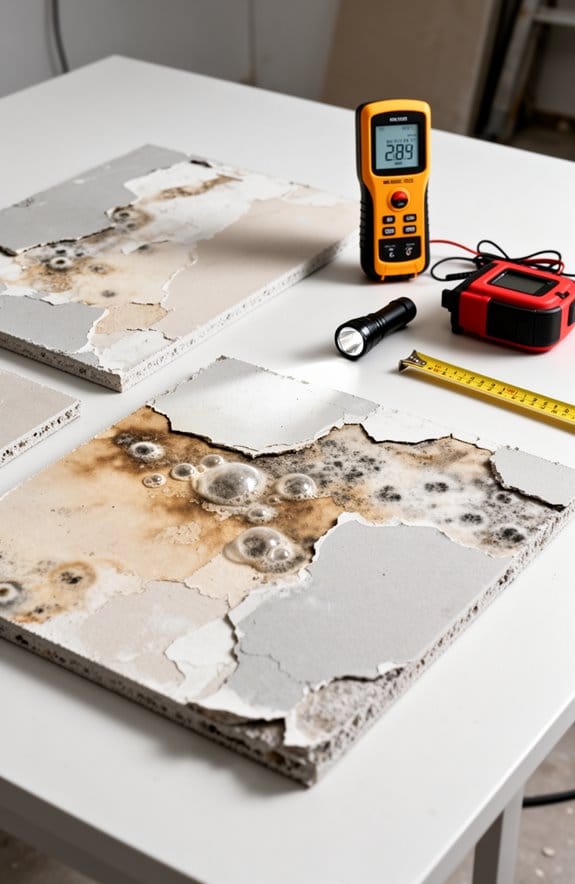
Now, even though they’re usually harmless, it’s a good idea to keep an eye on them. If you notice cracks getting wider or new ones popping up, that could indicate a more serious issue. Regular monitoring can save you from bigger problems down the line. So, take a good look every now and then—your home deserves the attention! Additionally, addressing moisture levels and ensuring proper ventilation can prevent issues like mold growth that might complicate structural concerns.
What’s your experience with settling cracks? Have you noticed any changes in your home recently?
Recommended Products

PERMANENTLY STOPS BASEMENT WALL WATER LEAKS: Professional-grade polyurethane injection foam seals leaking foundation wall cracks from the inside out. Trusted by contractors for durable, long-lasting concrete crack repairs.

Drill-Free Injection: Repair basement wall cracks effortlessly without drilling, ensuring minimal disruption to your home's structure.
Transparent Plexiglass Windows: This bee hive has plexiglass windows for clear observation. Removable acrylic window helps beekeepers observing the inner beehive without disturbing bees, while keeping the rain and honey stealers out
Recognizing Signs of Structural Damage

Recognizing signs of structural damage in your home is crucial for keeping everyone safe and sound. Have you ever noticed cracks that are wider than 1/4 inch? Those aren’t just cosmetic issues; they can be signs of serious problems that might need your immediate attention.
Diagonal cracks at the corners of windows and doors? That could mean your foundation is settling in a way that’s not so stable. You want to pay attention to those. And if you see stair-step cracks in brick or block foundations, that’s a red flag related to soil pressure or movement.
Here’s the trick: keep an eye out for walls that are bowing or bulging. These can suggest major foundation issues that require urgent action. The last thing you want is to ignore these signs and end up facing bigger problems down the line.
So, what should you do if cracks start increasing in length or width over time? Truth is, that’s the time to call in a professional. Getting an evaluation might seem like a hassle but addressing those underlying issues early can save you a lot of headaches—or money—later on.
In short, be proactive about your home’s structural health. It’s also wise to use wall repair kits with high-quality compounds and tools when fixing minor cracks to prevent them from worsening. What signs have you noticed around your home?
Recommended Products

High strength 6 in wide 480 gram /meter Twill Carbon Fiber patch - Superior bonding

Permanently Stops and Prevents Water Leaks in Concrete Cracks.
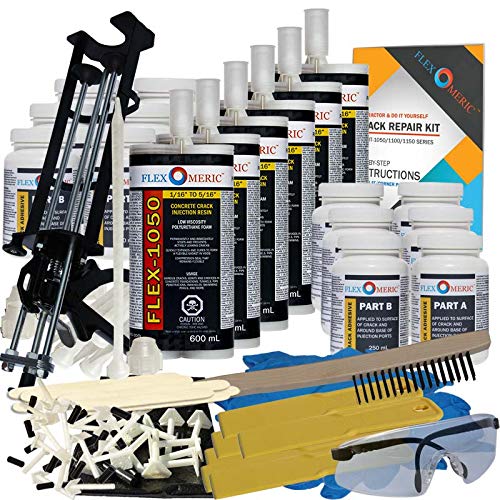
Permanently Stops and Prevents Water Leaks in Concrete Cracks.
Key Differences Between Settling and Structural Cracks

Have you ever noticed cracks in your walls and wondered whether they’re a sign of something serious? Understanding the differences between settling cracks and structural cracks can be a real lifesaver for your home.
Settling cracks are usually pretty narrow, typically less than 1/8 inch wide, and they often happen because of natural soil compression. They tend to form randomly and, more importantly, they usually stay stable over time. On the flip side, structural cracks are wider and can indicate some serious structural problems with your home. These cracks might show up diagonally or in a stair-step pattern, and they often get worse as time goes on.
It’s important to keep an eye on any cracks you see. A crack that starts growing larger could mean there’s underlying structural damage that needs attention. Generally, vertical cracks might not be a huge concern, but if you see horizontal or diagonal cracks, it could be time to call in a foundation repair expert.
Frankly, catching these issues early can save you from bigger headaches down the road, like costly water damage. So, while it might feel tedious, regularly checking the size of those cracks can really pay off. Are the cracks in your home just settling, or are they something more serious? Monitoring can make all the difference. Additionally, using durable materials with proper impact resistance can help maintain your home’s structural integrity over time.
Recommended Products

STRUCTURAL EPOXY STRENGTH THAT EXCEEDS CONCRETE: This professional concrete crack repair kit uses high-performance A-Tech 212 LV for true epoxy concrete crack repair. With 12,000 psi compressive and 8,500 psi tensile strength, it forms a bond stronger than the original surface. Ideal for foundation wall crack repair, basement foundation repair, and permanent foundation cracks repair where structural integrity matters.

STOPS BASEMENT WALL LEAKS IN CRACKS UP TO 40 FT: Professional-grade concrete foundation crack repair kit designed to permanently seal water intrusion in poured basement wall cracks. Ideal for foundation wall crack repair, this system acts as a powerful basement waterproofing solution. A trusted foundation leak repair method used in both pro and DIY foundation repair projects.

Very Rapid Set, High Strength
Top Factors Causing Cracking in Your Home’s Foundation
Cracks in your home’s foundation can be pretty alarming, especially once you’ve started figuring out how to tell the difference between normal settling and serious structural damage. What’s behind those cracks? Several factors can lead to them, and knowing what to look for is important.
One big culprit is the soil around your house. If you live in an area with expansive soil, those clumps can really wreak havoc. They swell when they’re wet and shrink when they dry out, which leads to movement that often shows up as cracks in your foundation. You might be asking yourself, “What can I do about that?” Keeping an eye on your landscaping and ensuring proper drainage is a great start.
Speaking of drainage, poor surface drainage can lead to water pooling around your home, which can do a number on your foundation. If water consistently collects near your walls, it may eventually seep in and cause damage. Seasonal changes can also play a role. Ever notice how some winters leave you with more stress on your foundation? The freeze-thaw cycles can actually stress the materials and lead to vertical or diagonal cracks.
Now, not all cracks are created equal. If you see minor ones, they might be non-structural and merely cosmetic. But cracks that are wider than 1/4 inch? Those could signal serious structural issues. It’s wise to get a professional inspection in those cases.
Understanding these factors is key to taking better care of your home and preventing more significant issues down the line. Proper application of wall patching compounds can help manage minor cracks and maintain your foundation’s integrity.
Have you checked your foundation recently? It might just save you a lot of trouble later on.
Recommended Products

SUPERIOR FLEXIBLE SEALANT: Liquid Rubber's foundation sealer creates a permanent waterproof membrane for basement waterproofing, foundation leak repair, shower liners, and planter boxes. This professional-grade sealer delivers unmatched protection with 900% elongation, preventing leaks and water damage more effectively than traditional sealants

Made from reinforced acrylic: A strong, flex resistant material with a smooth finish that resists chipping and cracking. Acrylic fixtures are sanitary, attractive, and easy to maintain and clean

When to Call a Professional: Repair Options and Solutions
Have you ever stumbled upon cracks in your foundation? If you notice any that are wider than 1/4 inch, it’s time to think about calling a professional. Cracks of that size might signal serious structural issues, and nobody wants that.
A professional inspection usually brings in some high-tech tools to check for foundation movement. This can pinpoint the best repair strategies for your situation. Options may include things like epoxy injections to fill those cracks or carbon fiber straps to shore up any bowing walls. Plus, it’s really important to tackle any water damage that might be lurking. Experts can suggest solutions like improving drainage around your home or using underpinning to reinforce the foundation.
So, why does this matter? Keeping your home’s foundation stable means protecting your investment. It can save you from bigger headaches down the road. Monitoring the cracks yourself can also be beneficial. Regularly measuring their width can help you track any changes. If those cracks grow or new ones show up, it’s definitely time to get some professional guidance.
Frankly, staying on top of foundation issues can feel overwhelming, but you don’t have to go it alone. Remember, getting things checked out early on can save you time, money, and stress. Selecting the right materials like quarter inch drywall for repairs can also impact the longevity and flexibility of your work. What steps have you taken to keep your home’s foundation in shape?
Recommended Products

Permanently Stops and Prevents Water Leaks in Concrete Cracks.

Structural Epoxy Crack Repair System – High-strength epoxy injection for repairing cracks in poured concrete walls, including basement, foundation, crawlspace, and retaining walls.

1.Portable and compact size, light weight, easy to carry, easy to operate.
How to Keep an Eye on Wall Cracks Over Time?
Ever notice those little cracks in your walls and wonder what they really mean? Keeping an eye on wall cracks is vital for keeping your home’s structure safe. While it seems like a trivial detail, those tiny lines can tell you a lot about what’s happening behind the walls.
Start by regularly checking the width of any cracks you spot. Hairline cracks that are less than 1 millimeter usually don’t require much fuss; they’re pretty common and often harmless. However, if you find cracks wider than 1/4 inch, that could be a red flag hinting at structural troubles. It’s smart to jot down your measurements and take photos to capture their progression over time. This way, you can see if things are getting worse without having to guess.
Pay close attention to cracks around windows, doors, and corners—these spots are often the first to shift. After all, shifting can happen over time, especially with changes in moisture or temperature. And here’s the trick: check the alignment of your doors and windows. If they’re sticking or don’t close properly, that might mean your foundation is shifting.
Don’t forget to plan for annual inspections. Assess any signs of moisture that could be lurking around those cracks. Truth is, catching issues early can prevent bigger repairs down the line. It’s always better to deal with a small problem before it escalates into a costly fix. Using adjustable cutting depth tools can help create precise repairs to wall surfaces without causing further damage.
Frequently Asked Questions
How to Tell if a Crack Is Structural?
When we’re spotting a crack, let’s imagine it’s whispering its secrets. We’ll examine crack types, take note of width, inspect wall integrity, and consult expert opinions to assess foundation stability and determine repair methods.
How Do You Tell the Difference Between Settling and Foundation Problems?
To distinguish settling from foundation problems, we watch for settling indicators, monitor crack progression, and consider moisture impact. A foundation inspection and professional evaluation can address our safety concerns during seasonal changes and guarantee soil stability.
Are Settlement Cracks Structural?
Are settlement cracks structural? Generally, no! They often result from natural settlement processes and typically display minimal crack width. We should monitor them for aesthetic concerns, but professional inspections guarantee our wall integrity remains intact.
When to Worry About Settling Cracks?
We need to worry about settling cracks when they widen beyond 1/4 inch, show seasonal effects, or cause homeowner concerns like uneven floors. Regular building inspections and measuring cracks help protect our property value and guide necessary foundation repair.