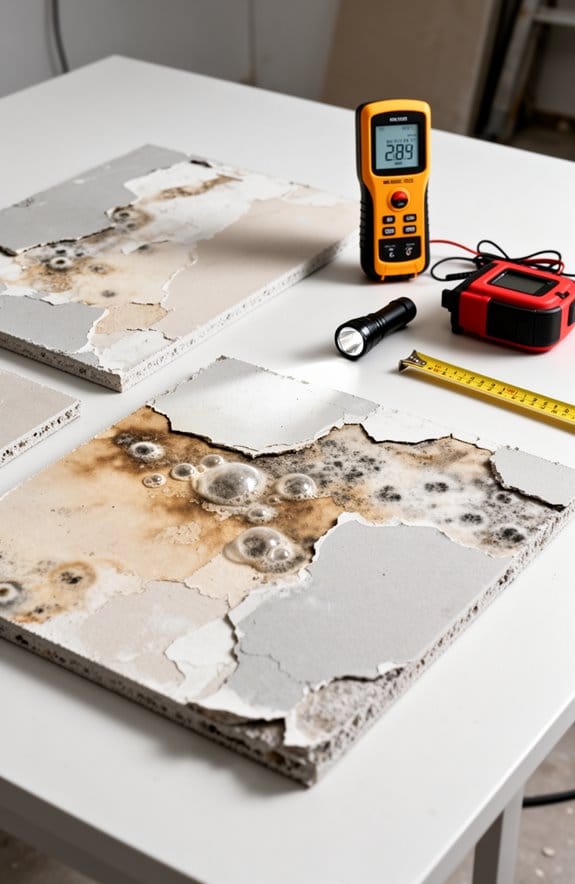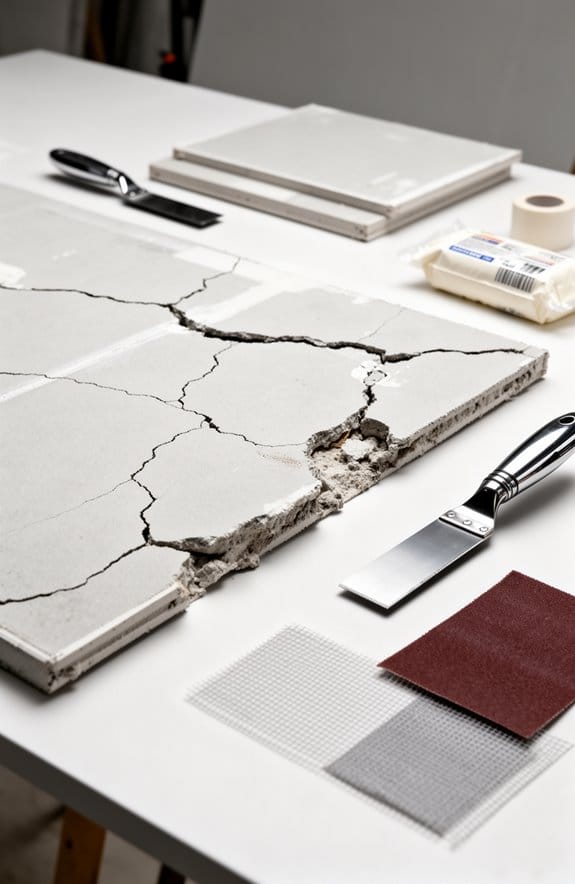

Have you ever noticed cracks forming in your drywall? It’s a common issue, and there are quite a few reasons why this happens over time. Foundation settlement is a big culprit; keep an eye out for cracks that run either horizontally or vertically. You might be surprised by how these simple lines can indicate deeper issues.
Environmental changes can play a role too. Fluctuations in humidity and temperature put stress on the walls, leading to cracks that can be hard to ignore. Water damage from leaks isn’t just frustrating—it can actually compromise the integrity of your drywall.
And then there’s the matter of structural overload; if the walls are under too much stress from heavy items or furniture, cracks may follow.
Don’t overlook how everyday life can contribute to this problem. Vibrations from heavy traffic or nearby construction might shake things up, quite literally. On top of that, poor installation practices like incorrect taping can set the stage for future cracks. It’s easy to see how these factors stack up, right?
If you’re dealing with persistent cracks, don’t throw in the towel just yet. There are definitely ways to tackle prevention and repair. Taking the time to assess your home’s foundation and ensuring proper installation standards can go a long way.
So, why does this matter? Well, neglecting these issues might lead to bigger problems down the road. Honestly, keeping an eye on these cracks can save you time and trouble later on. Have you noticed any cracks in your walls recently? How do you think you’ll address them?
Key Takeaways
- Foundation settlement can lead to drywall cracks, with horizontal cracks signaling severe structural stress.
- Environmental changes, such as temperature and humidity fluctuations, can cause wooden framing to expand and contract, resulting in cracks.
- Structural overload from excess weight can create stress on walls, leading to cracking, especially in attics or upper floors.
- Poor installation techniques, including improper taping and securing, can result in lifting tape and gaps, contributing to cracks over time.
- Pest damage, such as that from termites, can weaken drywall integrity and lead to noticeable cracks if not detected early.
The Role of Foundation Settlement in Causing Drywall Cracks

Have you ever noticed cracks in your drywall and wondered what’s really going on? It turns out, foundation settlement can be a major culprit behind those frustrating fissures. When the soil shifting beneath a house puts stress on its walls, cracks in drywall often follow.
Now, if you see horizontal cracks, it’s time to pay attention. Those can indicate serious structural stress, which isn’t something to ignore. Also keep an eye out for vertical cracks or any that are thicker than a quarter-inch. If these are around your doors and windows, they might signal deeper foundation issues. Patterns like stairstep formations are another red flag.
So, what should you do if you spot these cracks? Getting a professional foundation inspection is key. They can help identify the root of the problem and the repairs you’ll need. Addressing these types of issues early on not only helps maintain your home’s structural integrity but also prevents more damage down the road.
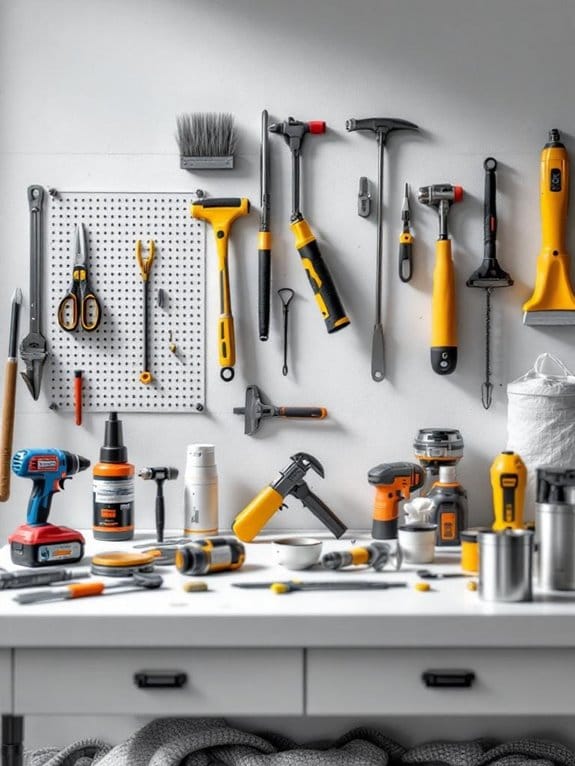
Additionally, using the right drywall repair kits can ensure that any cosmetic fixes are durable and long-lasting.
Don’t let cracks bring you down. Have you had a chance to check your walls lately?
How Temperature and Humidity Changes Impact Drywall

Have you ever noticed cracks in your drywall and wondered why they appeared out of nowhere? It can be pretty frustrating. The truth is, temperature and humidity changes play a big role in the health of your walls. When the weather shifts, the wooden framing in your home expands and contracts, causing your drywall to crack over time.
Poor ventilation can really make things worse. If you don’t control the climate inside, moisture can build up, and that can lead to bigger problems down the road. Think about those rainy seasons—when the ground is saturated, moisture levels rise. On the flip side, during a drought, the soil can shrink, which might affect your foundation.

So, how do you keep your walls crack-free? The best part is, it’s pretty simple. Aim to maintain your indoor humidity levels between 30-50%. You might try using a dehumidifier in the summer or a humidifier in the winter. Also, keeping your home well-ventilated can make a huge difference.
Honestly, managing your indoor environment isn’t just about comfort; it’s about protecting your home, too. By taking these steps, you can significantly reduce the risk of those pesky cracks in your drywall. So, have you checked your humidity levels lately? For more severe cracks, consider products like urethane injection kits that provide waterproof seal solutions to prevent further damage.
Recommended Products

Upgrade High Efficient Dehumidification: Dehumidifier utilize semi conductor condensation technology, ensuring quiet operation while effectively extracting moisture from the air. This advanced feature helps keep humidity levels below 45%

Semiconductor dehumidifiers use thermoelectric cooling to remove moisture from the air. They create a drier, more comfortable environment by reducing humidity and improving air quality.

Powerful Dehumidification for a Comfortable Home: Transform your living space with our 12L dehumidifier. Featuring an advanced compression system, it removes up to 34 pints of moisture daily (at 95°F, 90% RH)—perfect for large rooms up to 2,500 sq. ft. From damp basements to stuffy bedrooms, enjoy a consistently dry, comfortable home all day long.
Identifying Water Damage as a Primary Cause of Drywall Cracking

Have you ever noticed cracks appearing in your drywall and wondered what’s going on? Water damage might just be the sneaky culprit behind those unsightly lines. When roofs, plumbing, or even windows spring a leak, moisture can seep into your drywall, and over time, that moisture will lead to cracks. If you see any cracks that seem wet or show signs of dripping, it’s crucial to pay attention.
Look out for water stains on your walls. They’re often the first sign that something’s amiss and usually come before cracks develop. Ignoring those stains can lead to bigger problems like mold, which no one wants in their home. And let’s not forget that shifts in your foundation might create even more cracks.
So, what can you do to combat water damage? Here are a few tips:
- Make sure you have proper ventilation in your home.
- Keep moisture levels low, especially in areas prone to humidity.
- Most importantly, tackle the source of any leaks before you even think about repairing the drywall.
Honestly, repairing drywall without addressing the leaks is just putting a Band-Aid on the problem. You want to fix the root cause so you don’t have to deal with these issues down the road.
In the end, staying proactive about water damage can save you a ton of headaches—and money—later on. Have you checked for any sneaky water stains or leaks in your home recently? Using moisture-resistant drywall in repairs can help prevent future cracks and damage.
Recommended Products

Professionally fix your drywall with our precisely cut drywall panel designed for multiple applications.

Professionally fix your drywall with our precisely cut drywall panel designed for multiple applications.

Easy Drywall Repair Kit: the drywall panel can help repair your drywall and restore it to the original condition to some extent without affecting the strength of the wall; Please note that installation tools are not included
How Structural Overload Affects Drywall Integrity
Have you noticed some cracks appearing in your drywall? It might not just be water damage; structural overload could be playing a big role. When too much weight is put on your home, especially in areas close to foundations or ceilings, it’s typical for drywall to show signs of stress. Those cracks can pop up around support beams and load-bearing walls because the original design wasn’t built to handle extra loads.
Regularly checking your attics and upper floors is a smart move. These spaces are often the first places to get overloaded—especially during renovations or if you’ve stashed heavy materials up there. So, when you’re making changes, think about reinforcing those areas to keep your drywall intact and your home’s structure safe.
Here’s the trick: Don’t wait until you see a crack to take action. If you’re planning any heavy renovations, it may be a good idea to consult an expert. After all, ignoring potential overload could lead to pricey repairs later and even put your family’s safety at risk.
In short, keeping an eye on the structural integrity of your home is no small task but crucial for avoiding headaches down the line. Utilizing anti-vibration mounts in load-bearing areas can help reduce stress and prolong drywall life. So, what’s your next move to ensure your home stays strong and sound?
Vibrations and Impact: Unexpected Contributors to Wall Damage
Have you ever noticed cracks in your walls and wondered where they came from? It’s pretty surprising how vibrations from everyday life can silently wreak havoc on our homes. Stuff like nearby construction, heavy traffic, or even the way you slam doors can put pressure on drywall and lead to those annoying cracks over time. It’s a good idea to keep an eye on these vibrations, because their cumulative impact can really compromise the strength of your walls.
You’ll often spot cracks in places where there’s a lot of action, like entryways and hallways. Continuous exposure to vibrations can make existing problems worse, especially if the drywall was installed poorly to begin with. So, what can you do? Try this: make it a habit to check your drywall regularly in these high-traffic areas. Catching any potential damage early can save you from bigger headaches later on.
Regular inspections are key. Honestly, it doesn’t take much time, and staying proactive can help you maintain your home’s integrity. If you notice cracks forming, it’s best to address them sooner rather than later. To repair these cracks effectively, using a drywall repair kit with quality tools and compounds can make a huge difference. It’s all about keeping your home safe and sound. So, the next time you hear that door slam or feel the rumble of traffic nearby, remember to check in on those walls. Are your walls telling you something you need to listen to?
How Pests Can Weaken Your Drywall
Have you ever noticed cracks in your drywall or soft spots on your walls? It could be a sign of something more than just wear and tear—it could mean pests are creeping into your home. Termites, in particular, can be a sneaky foe, weakening the wooden framing that holds up your drywall. Over time, this can lead to some serious structural issues.
So, why does this matter? Because ignoring signs of pest damage can lead to expensive repairs down the road. Regular inspections for pests are key to catching problems early. If you spot those cracks or soft areas, don’t just brush them off.
Here’s the trick: Keep an eye on your load-bearing walls, as these are crucial for your home’s stability. Look for:
- Cracking or peeling paint
- Hollow-sounding walls
- Mud tubes around your foundation
Being proactive about these assessments can save you a headache later. Honestly, dealing with pest damage can be a nightmare, but it’s manageable if you stay vigilant. A quick check here and there can set you on the path to keeping your home strong and intact.
In the end, staying alert to the potential for pest damage not only protects your walls but also gives you peace of mind. Using durable and resistant materials, such as polycarbonate thermoplastic, for repairs can help prevent future issues and enhance safety. Have you checked your drywall lately?
Recommended Products

COMPACT - This sleek and portable pocket flashlight is compact enough to fit into small, tight spaces and illuminate hard to see work areas, making it ideal for close-up tasks.

Pocket Size: Weight only 29g, makes this small pocket bright flashlights can be easily put into your pocket or bag, convenient to take around.

405-Lumen Mini EDC Flashlight: Powered by a premium LED, Archer Mini delivers 405 lumens and 285ft beam distance — outperforming most standard pocket flashlights. The TIR lens produces a smooth, glare-free beam perfect for dog walking, night hiking, camping, and power outage emergencies
The Consequences of Poor Drywall Installation Techniques
Have you ever noticed cracks appearing on your walls? It’s frustrating, and more times than not, it’s due to poor drywall installation. You might not realize it, but sloppy installation can be a real threat to your home’s integrity.
When drywall isn’t installed properly, you can end up with cracks over time. If the taping job isn’t done right, you may see tape lifting, which creates those annoying gaps. On top of that, if your drywall isn’t secured correctly or if there’s no room for it to expand, that can lead to added tension. This stress can turn into unsightly cracks. Homes built with green lumber are at a higher risk since the wood tends to shrink, leading to potential foundation issues.
So, what can you do about it? Here’s the trick: always hire a skilled professional for installation. Attempting a DIY project without the right experience can lead to more headaches in the long run. If you notice any cracks, don’t ignore them! Addressing these issues promptly can save you from a lot more work and money down the road. Using corner bead clinchers helps ensure drywall corners remain durable and free from damage during installation and over time.
Recommended Products
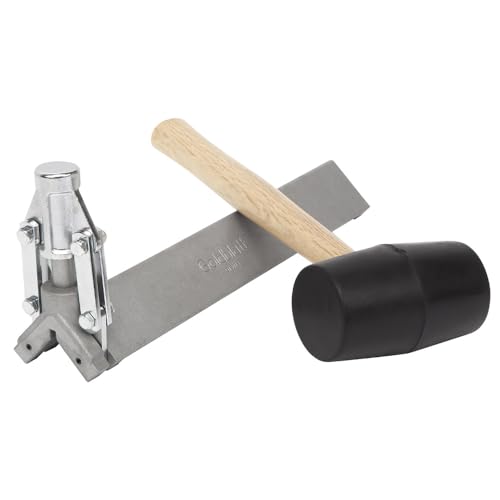
Quickly installs drywall corner bead

1️⃣. All-in-One 3-in-1 Drywall Corner Tool: Stop lugging around a heavy bag of redundant gear! This versatile 3-in-1 drywall corner tool is a total game-changer for Outside Corner, Inside Corner, and seam finishing, outperforming a pile of traditional drywall tools. It provides a one-stop solution for every tricky angle, saving you money on extra equipment and significantly lightening your toolbox. It’s the secret to achieving that clean, professional-grade finish with half the effort.

AUXILIARY POSITIONING: This self - adhesive drywall corner tape can assist you in positioning, allowing you to move on to the subsequent mudding work more quickly. It saves a significant amount of time compared to the traditional way of dealing with corners. Note that the adhesive on this self - adhesive drywall corner tape is for positioning. Once stuck, proceed with mudding the corner promptly. If left on long, the tape may fall off.
When to Seek Professional Help for Recurring Drywall Cracks?
When do you know it’s time to call in the pros for those pesky recurring drywall cracks? If you spot cracks that are wider than 5 millimeters, especially if they’re running horizontally or diagonally, that’s a pretty clear warning sign of foundation movement. This could mean there are serious structural issues lurking beneath the surface.
It’s also time for professional help if the cracks keep coming back even after you’ve repaired them. That’s a signal that there’s an underlying problem that needs attention. Don’t ignore other signs like sticking doors, windows that won’t budge, or uneven floors. These can all point to bigger issues that could need more than just a simple fix.
If you see moisture or water stains along with those cracks, definitely reach out to someone who specializes in this. You want to avoid further damage, and getting ahead of it is key. Lastly, if multiple cracks pop up in different spots, that might indicate systemic problems that require deeper inspection than what you’ll want to tackle on your own.
For such extensive repairs, having the right tools, like a professional-grade drywall trowel, ensures quality finish and efficient restoration.
Recommended Products

【Necessities】: Essential hand tool to apply, spread, flatten, smooth, polish for concrete, cement, mortar, drywall projects

Complete 2-Piece Corner Trowel Set: Includes a 5'' x 3-7/8'' outside corner trowel and a 3-1/2'' x 2-3/8'' inside corner trowel, designed for precise corner finishing with professional quality for masonry and concrete work.Each handle has a hanging hole for convenient storage

Efficient Curved Design & Compact Size - Specially designed弧形blade effortlessly smooths plaster/compound on curved surfaces & tight corners. Durable stainless steel ensures rust-resistant performance for drywall, spackling, and texture application.
Frequently Asked Questions
Why Do Drywall Cracks Keep Coming Back?
We’ve all wondered why drywall cracks keep returning, right? It’s often moisture problems, foundation settling, and poor construction quality wreaking havoc. Temperature fluctuations and seasonal changes exacerbate wall tension, leading to paint failure and persistent settling cracks.
When Should I Be Worried About Cracks in Drywall?
We should be worried about cracks when they indicate structural integrity concerns, like foundation issues or moisture problems. If cracks widen or multiply, it’s time to contemplate repair techniques and painting considerations for wall materials.
How to Fix a Recurring Drywall Crack?
When we found a recurring crack in our living room, we performed a structural integrity assessment. Using crack repair techniques like fiberglass tape and expansion joint installation, we guaranteed durability and implemented wall monitoring strategies to prevent moisture damage.
How Do You Tell if a Crack Is Cosmetic or Structural?
To tell if a crack’s cosmetic or structural, we should consider the crack types and wall conditions. Home inspections can reveal foundation issues, while moisture problems and settling effects often worsen during seasonal changes; repair methods vary accordingly.