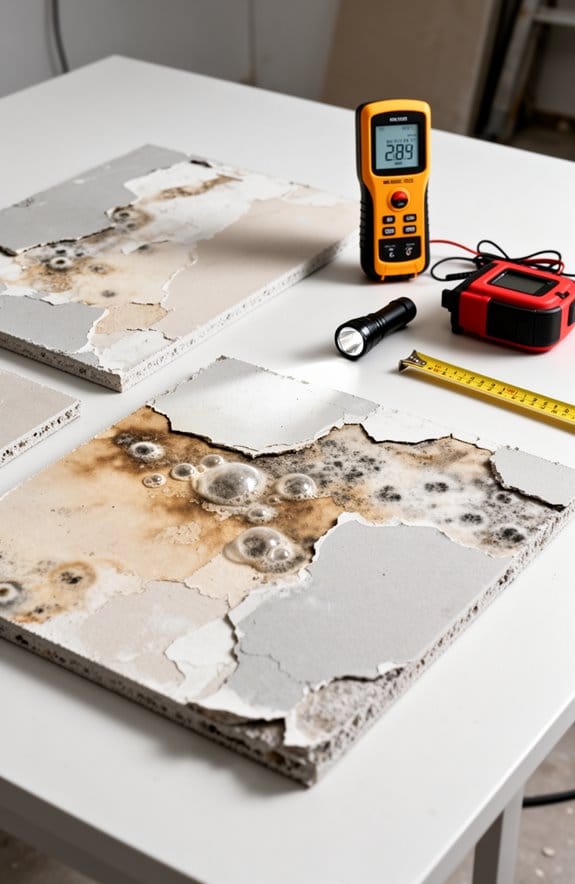
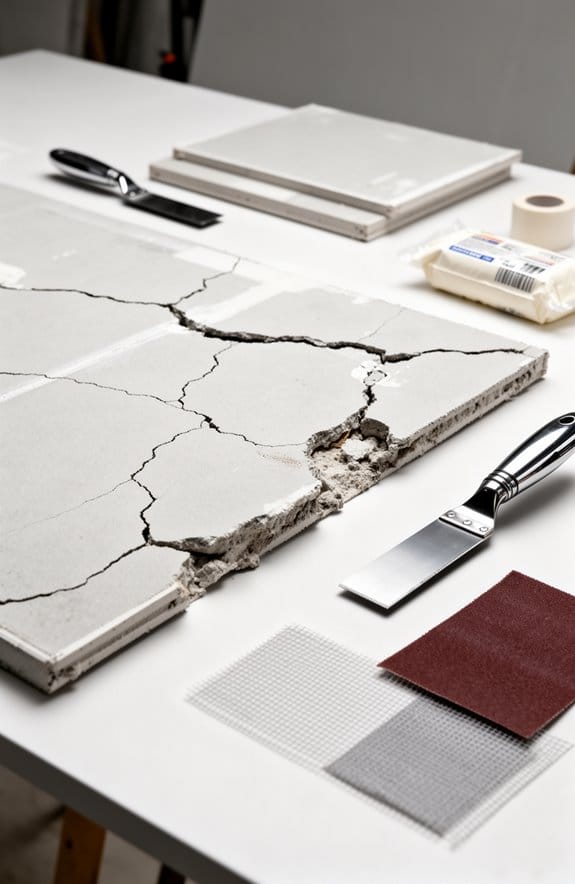
Have you ever noticed how temperature changes can really mess with your drywall? It’s one of those things that many homeowners overlook until it’s too late. During those hot summer months, high heat and humidity can cause drywall to soak up moisture. This can lead to warping or even mold growth, and nobody wants that in their home.
On the flip side, as temperatures drop, drywall tends to contract, which can lead to cracks—especially around the joints. The cracks might look small at first, but they can grow over time if not addressed.
So, how do you keep your walls looking good year-round?
Try this: keep your indoor humidity levels between 30% and 50%. It’s simple but effective. You can easily monitor these levels with a hygrometer, which isn’t expensive and can save you a lot of headaches down the line.
Plus, if you know certain areas of your home are at risk—like bathrooms or basements—consider using moisture-resistant drywall there to provide extra protection.
Honestly, it’s all about being proactive. A little maintenance goes a long way in preserving your investment. Don’t wait until you see damage to your drywall before taking action. What steps are you currently taking to ensure your walls stay in great shape?
Key Takeaways
- Extreme temperature changes cause thermal expansion and contraction, leading to stress points and cracks in drywall, particularly at joints.
- High summer humidity leads to drywall absorption of moisture, resulting in warping and an increased risk of mold growth.
- Cold temperatures prompt drywall contraction, often causing hairline cracks along seams, especially in poorly insulated areas.
- Maintaining indoor humidity levels between 30%-50% is essential to protect drywall from damage during both hot and cold weather.
- Regular inspections and timely repairs, along with moisture-resistant materials, help minimize drywall damage from temperature fluctuations.
Understanding How Temperature Changes Impact Drywall
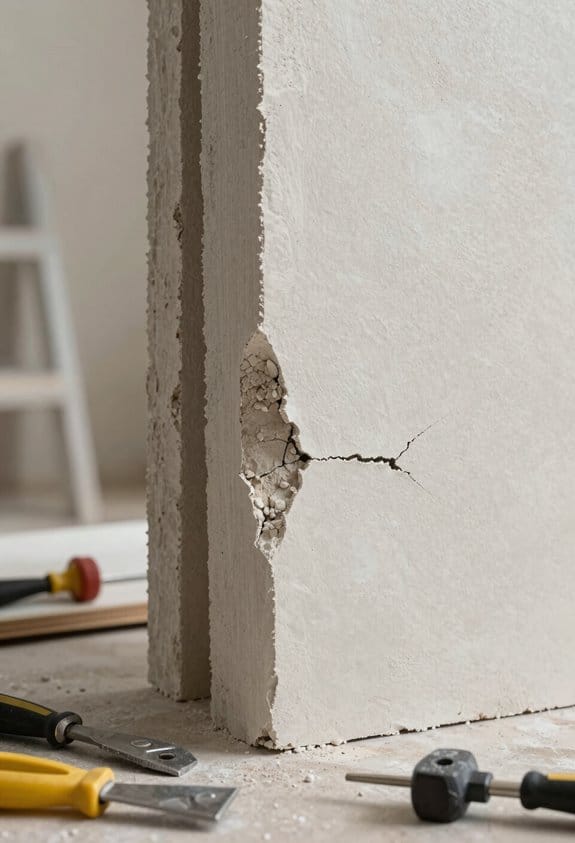
Have you ever noticed cracks in your walls during extreme weather? Understanding how temperature changes impact drywall is key to keeping your home in good shape. When the temperature shifts, drywall goes through thermal expansion and contraction, which can create stress points. These pressure spots often lead to unsightly cracks, especially around joints when the heat is on or the cold sets in.
High humidity can worsen the situation. The walls soak up moisture, softening the drywall and making it prone to sagging or even mold growth. So, why does this matter? Keeping an eye on humidity levels indoors is important. Aim for a balance between 30% and 50% humidity to protect your walls.
Here’s the trick: Consider investing in quality joint reinforcements and sealants. These won’t just look nice, they can help prevent cracks from appearing. Regular maintenance and monitoring can save a lot of trouble down the line.
To sum it up, be proactive about the temperature and humidity in your home to keep drywall damage at bay. Using magnetic access panels can also facilitate easier repairs and maintenance of your drywall system. Have you checked your indoor environment lately?
The Effects of Summer Heat on Drywall Damage

Have you ever noticed how the summer heat can wreak havoc on your home’s drywall? It’s frustrating, right? When temperatures rise, your walls can suffer damage that might not be obvious at first glance.
As the hot days roll in, those temperature swings can cause humidity levels to soar. This means your drywall might start absorbing moisture, which can lead to softening and warping, particularly around seams and edges. Honestly, it’s a recipe for disaster.
Mold can also become a big problem when it’s hot and humid. Not only is mold unsightly, but it can pose serious health risks and weaken your walls over time. So, how can you protect your drywall during those sweltering months?
Try this: aim to keep indoor humidity levels between 30-50%. Proper ventilation is key; using fans or dehumidifiers can work wonders. Make it a habit to regularly check for cracks along seams, too. You might be surprised at how much that little bit of maintenance can help.
Using specialized tools like drywall cut-out tools can assist in precise maintenance and repairs to prevent further damage.
Recommended Products

One Dri-Eaz LGR 7000XLi Commercial Dehumidifier with Pump and Drain Hose, F412, 29 Gallon

One Dri-Eaz 1200 Commercial Dehumidifier with Pump and Drain Hose

The Ultra Series MD33 is the first true in-wall dehumidifier designed to drain directly into a hub-drain or plumbing line making it truly a hands-off dehumidification system
How Cold Temperatures Negatively Affect Drywall?
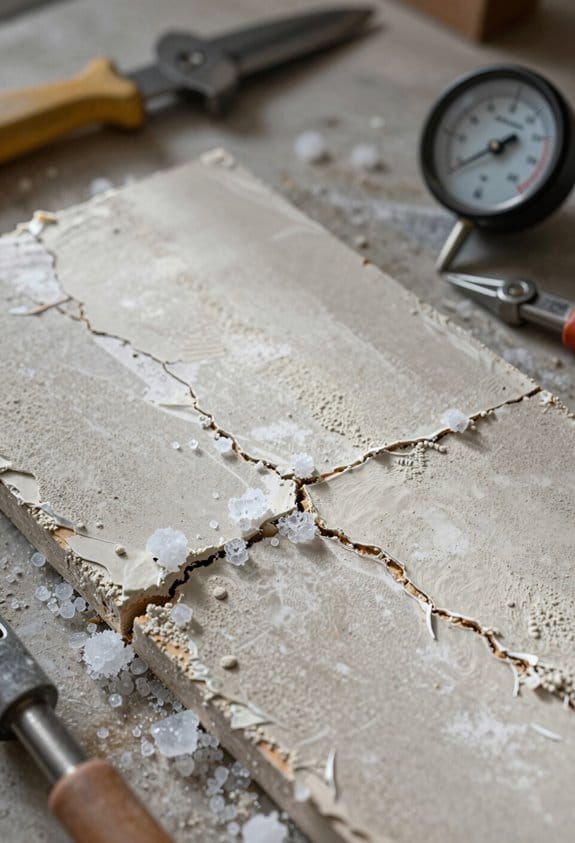
Cold weather can really take a toll on your home’s drywall. Have you noticed cracks appearing as the temperatures drop? It’s a common issue. When it gets chilly, drywall tends to contract, and this creates stress points. Over time, these points can develop hairline cracks, especially along the joint seams, which are the weak spots in your walls. If you’re dealing with insufficient thermal insulation, things can get even trickier—you may find more moisture creeping into those walls.
As your drywall shrinks, it can lead to uneven surfaces and further damage. That’s why it’s crucial to keep an eye on your walls, particularly during the winter months. Regular inspections are your best defense against small cracks turning into bigger problems down the line.
So, how can you protect your home from winter’s chill? Here are a few tips to consider:
- Check for cracks regularly, especially after a cold snap.
- Insulate properly to help keep moisture out.
- Make sure your heating is adequate, so the temperature inside your home stays warm.
The best part is, catching those small signs of damage early can save you a lot of headaches (and expenses) later. After all, who wants to deal with major repairs in the middle of winter? Seriously, it’s worth taking a moment to consider how cold weather affects your walls. By staying proactive, you can ensure your home stays safe and sound through the colder months. Have you checked your walls lately? Using moisture-resistant drywall in vulnerable areas can also help prevent future damage caused by cold weather conditions.
Recommended Products

Includes one pallet of 60 cases (720 tiles/2880 sq ft); Versatile; The no-fuss smooth texture and color allow for seamless integration into any room or design scheme; Perfect for office buildings, restaurants, and home improvement

TRANSFORM OLD OR DAMAGED CEILINGS FAST - Quickly upgrade popcorn, stucco, or plain drywall ceilings with these decorative PVC ceiling tiles designed for fast, hassle-free renovation. Ideal for DIY homeowners, renters, and property owners looking to refresh outdated spaces without expensive construction, these tiles create an elegant focal point in just hours, turning dull ceilings into visually striking surfaces with minimal effort and maximum impact, while meeting Class A fire-rated safety standards for added peace of mind.

Historic Gothic Design – This #150 Gothic Reims pattern features a majestic blend of embossed circles, ovals, and floral motifs. Inspired by classical European cathedrals, it adds a sophisticated and regal architectural element to any ceiling or wall.
Spotting and Fixing Drywall Damage From Temperature Changes
Ever notice those pesky cracks in your drywall or the soft spots that seem to come out of nowhere? You’re not alone! High humidity and low temperatures can wreak havoc on your walls, leading to problems like cracks and discoloration. But don’t think you have to live with those unsightly blemishes.
When you check for damage, what should you look for? Keep an eye out for hairline cracks, which often hint at bigger issues lurking beneath the surface. If you spot these signs, it’s time to take action. Proactive maintenance is key! Start by examining the moisture levels in your space. A hygrometer can be a simple tool to accurately measure that.
Now, for the repair part. You’ll want to grab a drywall patch kit. If you’re dealing with larger cracks, cut a piece of drywall about a foot square. Apply joint compound on the damaged area, then smooth it out evenly. Don’t skimp on sealing those seams; trust me, it’ll help prevent further damage down the road.
For a hassle-free repair, consider using fillers with no-sand formulas that provide a smooth finish without additional sanding.
Regular checks can really save you from those pricey repairs later on. So, why does this matter? Keeping your drywall in good shape not only maintains your home’s appearance but also helps maintain its value. Have you checked your walls recently? Take a walk around and see what you find!
Recommended Products

【Complete kit & Easy to follow Instructions】 The drywall repair kit has everything you need, saving you time and effort. The kit also comes with clear instructions, making it simple for you to follow the repair process, even if you've never done drywall repair before.

Repair Your Walls: This drywall repair kit is made of fiberglass self - adhesive mesh and aluminum plate, working well with compound and paint, which is lightweight and durable, easy to stick, and has good adhesion. It is insulation, anti - corrosion, and moisture - proof, and can keep for a long time. Don't worry about falling off
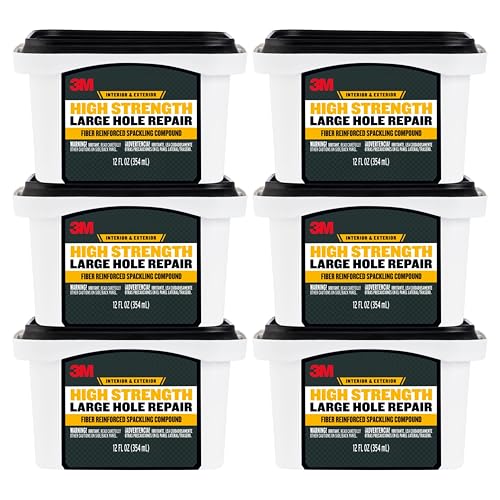
Fiber-Reinforced for Large Holes – High-strength spackling compound fortified with fibers to easily fill and repair large holes up to 5" in walls or ceilings. No sagging or crumbling – ideal for fixing big damaged areas.
Best Practices for Protecting Your Drywall During Seasonal Swings
Have you ever noticed how temperature changes can wreak havoc on your drywall? It’s a real struggle, but there are some practical steps you can take to keep it in good shape throughout the seasons. First off, keeping indoor humidity levels between 30-50% can really help minimize the impact of heat and excess moisture. Consider using dehumidifiers in the summer and humidifiers during the winter months to strike that balance.
Another wise move is to think about using moisture-resistant drywall, especially in those high-risk areas like kitchens and bathrooms. You want to protect those spaces from unwanted moisture damage. Reinforcing drywall joints with flexible compounds is also a smart idea. It gives your walls some extra flexibility to handle all that expansion and contraction when temperatures shift.
Don’t forget to keep an eye out for early signs of damage. Mold and soft spots are red flags that you don’t want to ignore. Catching these issues early can save you a heap of trouble and costly repairs down the road. And let’s face it, nobody wants that!
So, why does this matter? Well, sealing air leaks around windows and doors not only keeps your energy bills in check, but it also helps maintain a stable environment for your drywall.
Using green board drywall panels, which offer moisture resistance and durability, is a great way to enhance protection in moisture-prone areas.
In short, keep humidity levels balanced, use the right drywall, monitor for damage, and seal those leaks. How are you planning to protect your drywall this season?
Recommended Products

180 PPD Commercial Grade Dehumidifier: This commercial dehumidifier with high airflow of 210 CFM to maximize the drying performance, it's capable of removing up to 180 pints of water from the air per day at saturation (90°F, 90%) and 85 PPD @ AHAM, a top choice for the drying and water damage restoration industry in large space up to 2,300 square feet.

【Space-Saving Wall Mounted Vanity】 The floating design frees up floor space and makes cleaning easy. Includes an optional towel rack, keeping towels within reach. Ideal for multiple bathroom layouts—medium to small bathrooms, guest baths, laundry room, or hotel-style setups.
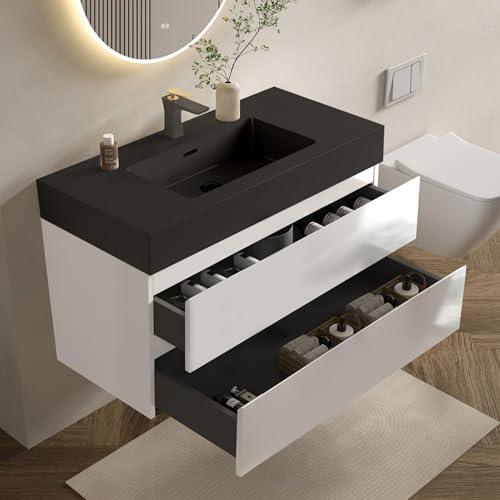
【PRE-ASSEMBLED BATHROOM VANITY】 - Save your weekend! No assembly hassle. This bathroom vanity with sink is completely pre-installed – simply install the washbasin to the ready-to-use cabinet. Note: Ships in 2 separate packages.
Frequently Asked Questions
Does Temperature Affect Drywall?
Yes, temperature affects drywall substantially. We must consider moisture impact, thermal expansion, and humidity levels to guarantee ideal insulation quality. Proper installation guidelines and repair techniques maintain paint adhesion and structural integrity, preventing long-term effects.
Can Cold Weather Cause Drywall to Crack?
We can certainly say that cold weather does cause drywall cracking. Temperature fluctuations lead to expansion and contraction, impacting structural integrity, especially when moisture levels are high. Proper insulation helps mitigate these issues through effective repair techniques and prevention methods.
What Problems Can Cold Temperatures Cause During Drywall Installations?
Cold temperatures can cause installation delays, frozen materials, and moisture issues. We’ll face adhesive failure, thermal expansion challenges, and shrinking concerns. Tool performance and drying time suffer too, making adequate humidity control vital for our projects.
Can Heat Cause Drywall to Crack?
Heat can compromise drywall integrity through heat expansion and temperature fluctuations, leading to structural stress and moisture damage. By prioritizing insulation quality and using effective repair techniques, we can enhance material durability and crack prevention together.