As an Amazon Associate, we earn from qualifying purchases. Some links may be affiliate links at no extra cost to you. Although our opinions are based on curated research, we haven't used these products. Articles generated with AI.


3 Best Quarter Inch Drywall Options For Your Next DIY Project

For your next DIY project, consider using the Saker Foldable Drywall Cutting Tool, which features 19 wheels for precise cuts. Alternatively, the Utility Blades Drywall Cutting Tool efficiently handles drywall up to 5/8″ thick and is foldable for easy storage. Finally, the Heavy Duty Drywall Cutting Tool, equipped with 23 wheels, simplifies cutting with smooth gliding. Remember to select the right drywall thickness for your needs and get the best tools for seamless installation. More insights await you.
Key Takeaways
- Quarter-inch drywall is optimal for curved surfaces, allowing for versatile installation in various project settings.
- Choose moisture-resistant options for damp environments to prevent mold growth and ensure longevity.
- For low-impact areas, quarter-inch drywall is sufficient, but consider adding backing for heavier fixtures.
- Assess the specific thickness requirements of your project, as thinner drywall can be easier to handle but less durable.
- Ensure the compatibility of cutting tools, such as those with adjustable splint pressure, for efficient installation of quarter-inch drywall.
| Saker Foldable Drywall Cutting Tool with 19 Wheels | 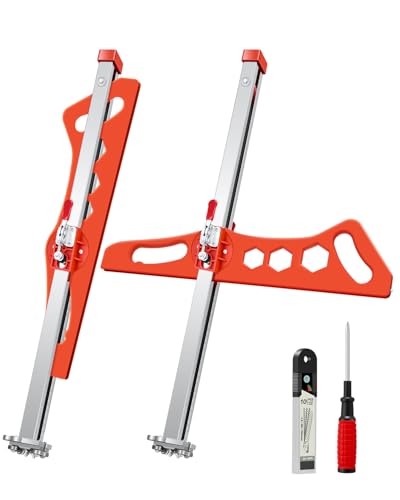 | Efficient Precision | Cutting Mechanism: Two-step cutting process with blade insertion and sliding | Adjustable Blade Angle: Adjustable angle for precision cuts | Measurement Accuracy: Dual-side retainers and clear scales for accurate measurements | VIEW LATEST PRICE | Read Our Analysis |
| Foldable Drywall Cutting Tool with Utility Blades | 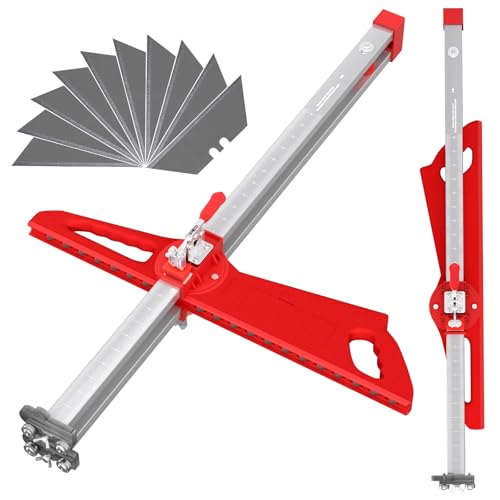 | User-Friendly Design | Cutting Mechanism: Simple setup with blade insertion and sliding | Adjustable Blade Angle: Adjustable cutting depth for precision on various materials | Measurement Accuracy: Laser-etched imperial scales for accurate measurements | VIEW LATEST PRICE | Read Our Analysis |
| Heavy Duty Drywall Cutting Tool (Foldable Cutter) | 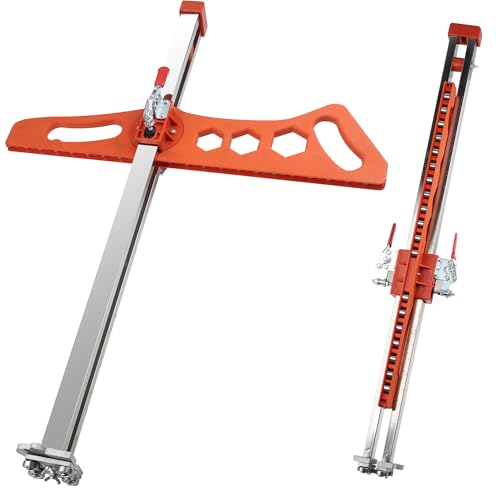 | Professional Performance | Cutting Mechanism: Effortless two-step cutting process with blade insertion and sliding | Adjustable Blade Angle: Adjustable blade angle for ceilings and walls | Measurement Accuracy: Easy-to-read dual-side scales and secure retainers for accuracy | VIEW LATEST PRICE | Read Our Analysis |
More Details on Our Top Picks
Saker Foldable Drywall Cutting Tool with 19 Wheels
The Saker Foldable Drywall Cutting Tool with 19 wheels is perfect for DIY enthusiasts and professionals tackling drywall projects. This tool features a two-step cutting mechanism for quick drywall sizing. First, insert the blade into the card slot, then adjust the angle and secure it with screws. After that, simply slide the tool to cut. With an adjustable splint pressure, it handles different drywall thicknesses, ensuring smooth, chip-free cuts. The clear scales and dual-side retainers prevent blade slippage, providing accuracy. Compact and foldable, it’s easy to carry and store, making it ideal for both job sites and home workshops.
- Cutting Mechanism:Two-step cutting process with blade insertion and sliding
- Adjustable Blade Angle:Adjustable angle for precision cuts
- Measurement Accuracy:Dual-side retainers and clear scales for accurate measurements
- Portability:Foldable and compact for easy storage and transport
- Cutting Quality:Chip-free, smooth cuts with stubble-removal board
- Durability:Durable construction with adjustable splint pressure
- Additional Feature:19 wheels for efficiency
- Additional Feature:Stubble-removal board
- Additional Feature:Clear measurement scales
Foldable Drywall Cutting Tool with Utility Blades
For anyone tackling drywall projects, the Foldable Drywall Cutting Tool with Utility Blades offers excellent versatility. This tool smoothly cuts drywall up to 5/8″ thick and adjusts from 0.6″ to 24″ for various panel sizes. Lightweight and foldable, it stores easily in any workspace. You can use it straight out of the box since no assembly’s required. To cut, simply insert the blade, adjust the angle, and secure it with screws. The dual-end guide and 19 steel roller wheels help you achieve straight, clean cuts, while its durable stainless steel construction guarantees long-lasting performance.
- Cutting Mechanism:Simple setup with blade insertion and sliding
- Adjustable Blade Angle:Adjustable cutting depth for precision on various materials
- Measurement Accuracy:Laser-etched imperial scales for accurate measurements
- Portability:Foldable and lightweight design for transport
- Cutting Quality:Straight, clean cuts with dual-end guide system
- Durability:Made from heavy-duty, wear-resistant stainless steel
- Additional Feature:Adjustable cutting height
- Additional Feature:Blade storage in handle
- Additional Feature:No assembly required
Heavy Duty Drywall Cutting Tool (Foldable Cutter)
When tackling drywall projects, selecting a reliable tool can make all the difference in the final result. The Heavy Duty Drywall Cutting Tool (Foldable Cutter) features an effortless two-step cutting process. Simply insert the blade, adjust the angle, and slide to cut. Equipped with 23 smooth-gliding wheels, it scores and snaps drywall with ease. You’ll appreciate the adjustable splint pressure that adapts to thickness, ensuring chip-free cuts. This tool supports multiple drywall thicknesses and includes dual-side scales for accurate measurements. Compact and durable, its foldable design allows easy storage. Overall, this tool enhances precision for professional and DIY projects alike.
- Cutting Mechanism:Effortless two-step cutting process with blade insertion and sliding
- Adjustable Blade Angle:Adjustable blade angle for ceilings and walls
- Measurement Accuracy:Easy-to-read dual-side scales and secure retainers for accuracy
- Portability:Compact and foldable design for easy storage and transport
- Cutting Quality:Clean, professional-grade cuts with integrated stubble-removal plate
- Durability:Constructed with titanium alloy knife holder and stainless steel rods for durability
- Additional Feature:23 smooth-gliding wheels
- Additional Feature:Titanium alloy knife holder
- Additional Feature:Shock-absorbing design
Factors to Consider When Choosing Quarter Inch Drywall
When choosing quarter inch drywall, you need to take into account several key factors. First, think about the drywall thickness and how it fits your project needs, as thinner drywall can be easier to handle but may not provide the same durability. Also, check the cutting tool features, installation environment suitability, and compatibility with accessories to guarantee you’ve got what you need.
Drywall Thickness Considerations
Choosing the right thickness of drywall is essential to the overall durability and functionality of your project. Quarter-inch drywall is ideal for curved surfaces and works as a secondary layer over thicker boards. This lightweight option simplifies installation, especially for DIY enthusiasts. However, keep in mind that while it’s suitable for low-impact areas, quarter-inch drywall may require extra backing if you’re attaching heavy fixtures. Additionally, the paper face is less durable than thicker options, so handle it carefully during installation to prevent dents or damage. It’s commonly used for ceilings or decorative elements where flexibility is important. Always consider the specific application to guarantee this drywall thickness meets your needs effectively.
Cutting Tool Features
Selecting the right cutting tools is key for working with quarter-inch drywall. Look for tools that use a two-step cutting process, as this improves both ease of use and precision. Confirm the tool has adjustable splint pressure to handle various drywall thicknesses while providing smooth, chip-free cuts. A dual-side guide system or clear measuring scales will help you maintain accuracy and prevent blade slippage during cutting. Opt for tools featuring multiple roller wheels for efficient scoring; this results in cleaner cuts, making snapping drywall easier. Finally, choose a lightweight, foldable design for easy transport and storage, especially if you’ll move between different job sites frequently. These features will enhance your overall cutting experience.
Installation Environment Suitability
To guarantee successful installation of quarter-inch drywall, consider the specific environment where you’ll be working. This type of drywall is flexible, making it ideal for curved surfaces or unique architectural features. Use it in low-impact areas like closets or ceilings, where space is limited, but be cautious as it’s more prone to damage than thicker boards. If you’re working in moisture-prone environments, opt for moisture-resistant quarter-inch drywall to guard against mold and water damage. Finally, while it’s popular for sound-proofing in homes, remember it may not effectively block noise in high-noise areas. Assess these factors carefully before starting your installation to assure peak performance for your specific project needs.
Compatibility With Accessories
Compatibility with accessories plays an essential role in the successful installation of quarter-inch drywall. When you select drywall, make certain your cutting tools fit this thickness. Some tools have adjustable features that may work with quarter-inch material but can vary in cutting height and depth. Choose utility knives or scoring tools that effectively cut quarter-inch drywall without causing damage. Remember, tools designed for thicker drywall may impact the quality of your edges. For measuring accessories, verify they’re calibrated for quarter-inch drywall to help with accurate cuts. Maintaining precision during your project leads to cleaner finishes and reduces potential mistakes, which is important for a professional-looking result. Always test your tools before starting the installation to avoid issues.
Weight and Handling Ease
When you consider quarter-inch drywall for your project, you’ll find its lighter weight greatly benefits handling and installation. Weighing about 7-9 pounds per sheet, it’s much easier to lift and maneuver than thicker options. This makes overhead applications simpler, reducing fatigue during installations. Plus, its flexibility lets you cut or shape it easily, so you can make adjustments on-site without hassle. You won’t need as much structural support for quarter-inch drywall, streamlining your pre-installation preparations. With less weight to manage, you’ll find you require fewer tools or additional equipment for lifting and positioning. All these factors contribute to a smoother, more efficient installation experience, especially for DIY projects or solo work.
Budget-Friendly Options
Selecting the right quarter-inch drywall for your project involves more than just weighing its benefits. You should prioritize materials that combine cost-effectiveness and performance. Look for products tailored to various thicknesses, as this improves durability without inflating costs. To find the best value, analyze the cost per square foot since this can differ greatly between manufacturers. Sourcing from local suppliers or wholesalers could uncover bulk discounts, ultimately reducing material expenses. Additionally, think about any tools or accessories you’ll need for installation. Some budget-friendly drywall options might save upfront, but they could require extra equipment later, increasing overall costs. By considering these factors, you’ll make a more informed decision for your DIY project.
Frequently Asked Questions
Can I Use Quarter Inch Drywall for Exterior Applications?
No, you shouldn’t use quarter inch drywall for exterior applications. It’s too thin and susceptible to moisture damage. Instead, consider using thicker, water-resistant drywall, like half-inch or special moisture-resistant types for exteriors. Make certain to seal seams with a waterproof tape and use appropriate fasteners, such as drywall screws or nails, that can withstand outdoor environments. For best results, guarantee proper insulation and weatherproofing in your exterior project.
What Is the Best Way to Finish Quarter Inch Drywall Seams?
To finish quarter inch drywall seams, first apply a thin layer of joint compound over the seams using a 6-inch taping knife. Press drywall tape into the compound, smoothing out air bubbles. Let it dry for 24 hours, then apply a second, wider layer of joint compound using a 12-inch knife. After it dries, sand the area lightly with 120-grit sandpaper. Finally, wipe it clean and prime before painting.
How Does Quarter Inch Drywall Compare to Half Inch Drywall?
Quarter inch drywall is thinner and lighter than half inch drywall, weighing about 30% less. It’s often used for non-load-bearing applications or when you want to reduce weight. In contrast, half inch drywall is sturdier, providing better soundproofing and impact resistance. When installing, use a drywall saw for accurate cuts, and apply screws every 12 inches along the edges for support. Always tape and mud seams properly for a smooth finish on both types.
Are There Specific Adhesives for Quarter Inch Drywall Installation?
Yes, there are specific adhesives designed for quarter inch drywall installation. You can use a construction adhesive like Liquid Nails, which works well for securing drywall to surfaces. Apply a bead about 1/4 inch thick around the edges and in the center of each panel. Use a trowel for even spreading. After positioning the drywall, press it firmly for a secure bond. Make sure to follow the manufacturer’s drying time before proceeding with finishes.
Is Quarter Inch Drywall Suitable for Soundproofing Projects?
Quarter inch drywall isn’t ideal for soundproofing projects. Why? It lacks the density needed to block sound effectively. For better results, consider using thicker drywall, like 5/8 inch, which absorbs more sound. If you stick with quarter inch, make sure a double layer and use soundproofing adhesive for added insulation. Always measure your walls accurately, using a drywall saw and a T-square for precise cuts. Remember, layer density matters when aiming for effective soundproofing.