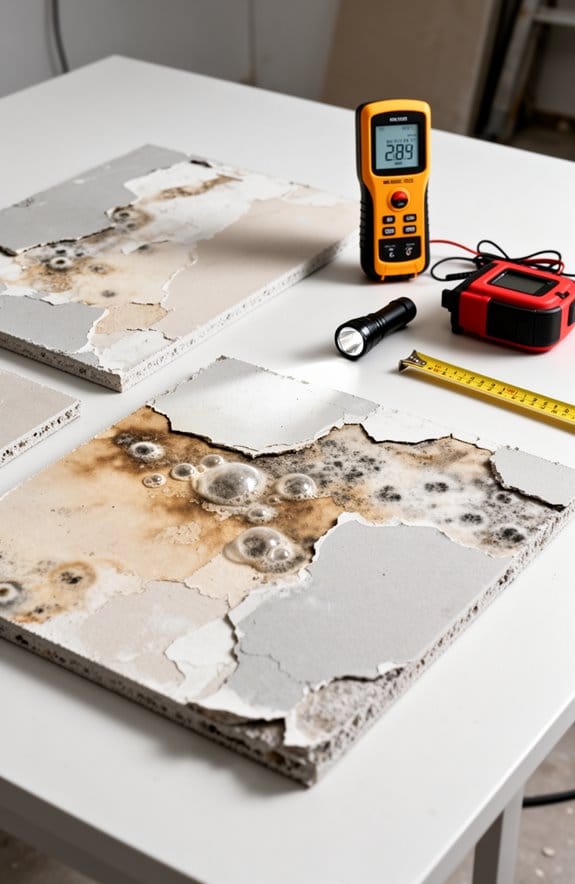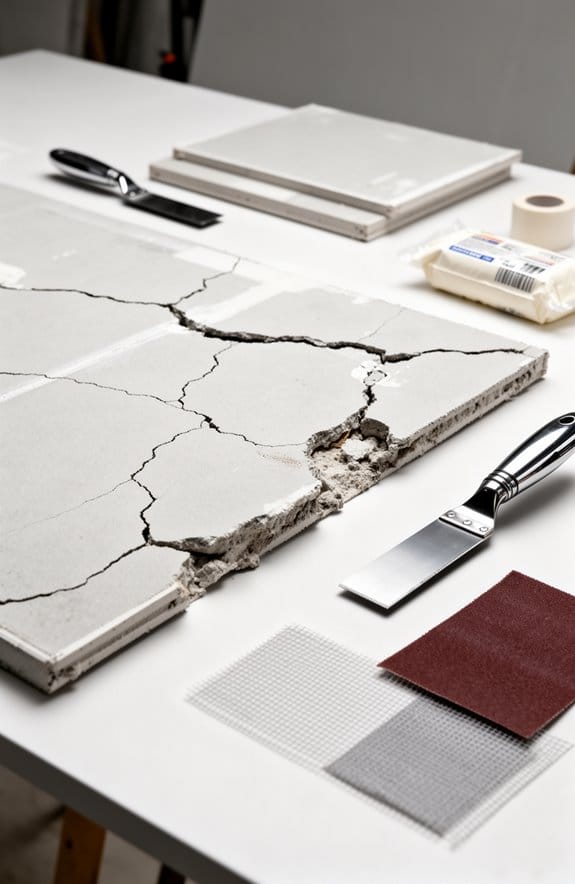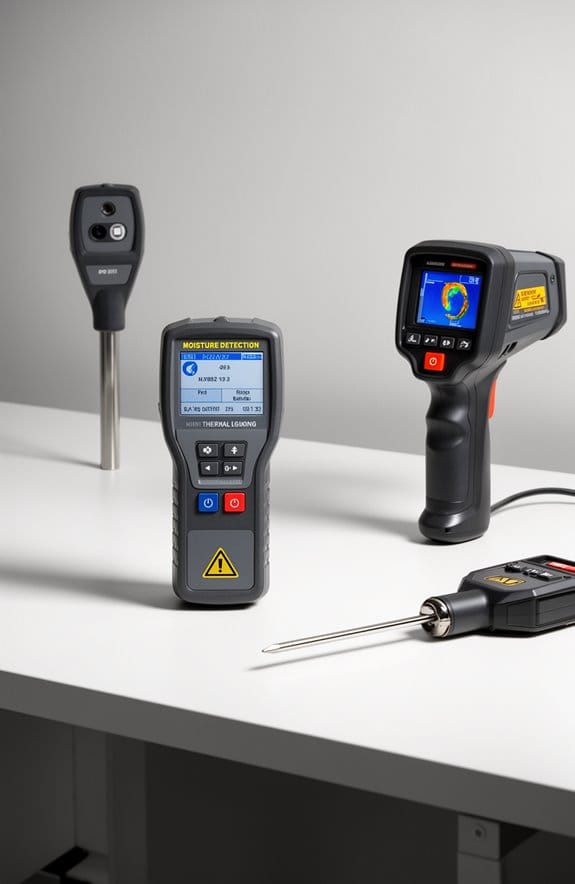

Have you ever wondered if there’s hidden moisture damage lurking behind your walls? It’s a common issue that can lead to serious problems if you don’t catch it early. Here are some tips to help you identify those pesky signs of moisture.
Start by checking for discoloration, soft spots, or peeling paint. These can be clear indications of water damage. Also, don’t forget to grab a moisture meter. Aim for those levels to stay below 15%, as anything higher could signal trouble.
Next, take a close look at the baseboards and corners. If you notice any warping, that’s another red flag. Try this: run your hand along the surfaces to see if they feel different or uneven.
You might also want to use a thermal imaging camera, which can highlight temperature inconsistencies that indicate moisture is hiding.
And let’s talk about that musty smell. If you catch whiffs of it, that’s a warning sign that mold could be developing. So, why does this matter? Because mold isn’t just a nuisance; it can seriously affect your health.
By keeping an eye out for these signs, you can prevent potential damage to your home and health. Don’t wait—give your walls a little TLC with these tips.
Have you dealt with moisture problems in your home before?
Key Takeaways
- Look for discoloration, such as yellow or brown stains on walls, indicating moisture presence behind the surface.
- Check for soft or spongy areas in drywall, which may suggest water infiltration issues.
- Use a moisture meter; readings above 15% indicate potential hidden moisture damage.
- Identify musty odors, especially in closed spaces, as cues for possible mold growth behind walls.
- Inspect corners and baseboards for warping or dampness, which can signal water damage.
Common Signs of Water and Moisture Damage Behind Walls

How can you tell if there’s moisture damage hiding behind your walls? It’s more common than you might think, and spotting the signs early can save you a whole lot of trouble.
Start by looking for discoloration on your walls. Yellow or brown stains usually mean that moisture has been sticking around for a while. If you see those, don’t ignore them! Next, press gently on your drywall. If it feels soft or spongy, that’s a red flag for water infiltration.
Peeling paint or wallpaper is another sign, especially in areas that tend to get humid. It’s like your home is trying to tell you there’s a moisture problem underneath. And if you catch a whiff of a musty smell—particularly in spaces like your bathroom or basement—that could signal mold growth tied to hidden moisture.
Try checking these things regularly. The earlier you can spot issues, the easier it’ll be to tackle them before they turn into something more serious. Honestly, who wants to deal with costly repairs down the line? Implementing moisture-rich systems can also help maintain surface integrity and prevent further damage.
Recommended Products

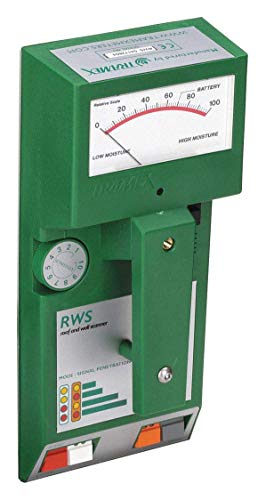
ROOF & WALL SCANNER: The RWS is a non-destructive moisture scanner for detecting & evaluating moisture content, tracing & mapping leaks in roofing & waterproofing systems up to approximately 10 cm (4") in depth

NEW 100 CFM SCHULZ NON-CYCLING REFRIGERATED AIR DRYER WITH INDUSTRIAL RATED ARROW PNEUMATICS WATER SEPARATOR & PRESSURE REGULATOR WITH T-HANDLE
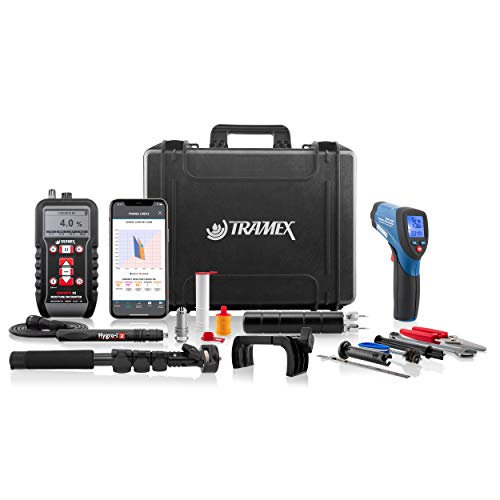
CONCRETE & WOOD MOISTURE TESTING: Instant, non-destructive & quantitative moisture content testing of concrete & wood flooring, as well as relative humidity & dew point testing of concrete & ambient conditions
What Is Hidden Moisture Damage and Why It Matters

Hidden moisture damage can sneak up on you, causing major headaches down the road. You might not even notice it until you’re dealing with serious issues like warped walls or cracks in the structure. This kind of damage usually creeps in through plumbing leaks, roof problems, or just high humidity in your home. And let’s be honest, it can lead to bigger nightmares, like mold growth that can start to spread just 24-48 hours after water appears.
So, what should you look out for? Keep your eyes peeled for unusual odors, stains on your walls, or bulging drywall — these are all red flags that something might be off. Mold isn’t just a nuisance; it can cause respiratory issues and other health problems.
Here’s the trick: investing in a moisture meter can really help you catch issues before they spiral out of control. It’s a simple tool that can save you from costly repairs and unnecessary stress. By identifying moisture problems early, you’re not just protecting your home but also ensuring a safe environment for you and your family. Using mold testing solutions can provide rapid assessment and consultation to address hidden mold risks effectively.
Easy Steps to Inspect for Water Damage

Have you ever wondered if your home has water damage lurking behind the walls? It’s more common than you might think, and catching it early can save you a lot of headaches and money later on. To start your inspection, give your home a good visual once-over.
Keep an eye out for discoloration, especially yellow or brown stains, and peeling paint. These little clues often point to hidden moisture issues that need addressing. Next, check your baseboards and the corners of your rooms. Warping or dampness often appears here, and these spots can be telltale signs of water intrusion you don’t want to ignore.
Tool-wise, a moisture meter can be a handy gadget to have in your toolkit. If it shows readings above 15%, that might signal trouble ahead. You could also consider using thermal imaging to spot temperature differences in your walls. If you’ve got leaks, those differences can stand out like a sore thumb.
And here’s something many overlook: musty odors. Have you ever caught a whiff of something moldy? That’s your cue that moisture is building up, possibly even behind the walls.
To prevent further damage once detected, using waterproof wall repair materials can help ensure lasting repairs in these humid conditions.
Being proactive and detecting these issues early can prevent extensive water damage down the road. So, keep your eyes peeled and you’re less likely to face bigger problems later on! What’s your go-to tip for spotting water damage?
Essential Tools for Detecting Hidden Moisture Problems
Have you ever walked into a room and just felt something wasn’t right? Maybe there’s a musty smell or that little bit of dampness on the walls. Hidden moisture issues can lead to serious problems if not caught early on. Luckily, with the right tools, it’s easier than you might think to detect these pesky problems.
First off, you’ve got to get your hands on a moisture meter. This little device is a must-have for measuring moisture content in materials. If you find levels above 15%, don’t ignore it. That’s usually a sign of potential water damage that needs your attention quickly.
Next up is a thermal imaging camera. It’s pretty cool how it works—basically, it shows you temperature differences on surfaces, helping spot possible leaks that you can’t see otherwise. Using infrared thermography can reveal cold spots, especially in places that aren’t insulated well.
Don’t forget about a hygrometer! This handy gadget monitors humidity levels indoors. If your readings are above 50%, you could be setting yourself up for structural issues, including condensation and that awful mold growth.
Another tip? Listen for sounds. Sometimes, you can hear dripping or crackling behind the walls, which might indicate an active leak. All these tools combined create a solid strategy for tackling hidden moisture problems before they spiral out of control.
When repairing moisture damage, using a lightweight joint compound can make the finishing process more efficient and less physically tiring.
Recommended Products
PREVENT MOISTURE PROBLEMS: A non-destructive, pinless meter for detecting & measuring moisture content in roofing (as per ASTM D7954), Exterior Insulation & Finishing Systems (EIFS), foam insulation systems & other building envelope applications

PREVENT MOISTURE PROBLEMS: A digital moisture meter for instant measuring of moisture content in wood, drywall & building materials; an electronic instrument with hygrometer & optional external Pin & RH probe functionalities

PREVENT MOISTURE PROBLEMS: A non-destructive digital moisture meter for instant measuring of moisture content in wood or concrete flooring, slabs & screeds; an electronic instrument with hygrometer, Pin & RH probe functionalities
How to Address and Repair Water Damage
Ever walked into your home only to find unwanted water lurking, potentially causing chaos? Dealing with water damage can feel overwhelming, but acting fast makes a big difference. Start with a solid inspection. Grab a moisture meter to check the levels; if they’re over 15%, you might have hidden damage waiting to be discovered.
Repairing water damage often involves some tough decisions, like ripping out affected materials such as drywall and insulation. It’s not just about aesthetics—this step is crucial to prevent mold from crashing the party later on. If you spot significant mold, don’t hesitate to call in professional restoration services; they really know how to tackle mold remediation the right way.
Humidity is another angle you should pay attention to. Keeping it between 30-50% can help you avoid future issues. Honestly, nobody wants to deal with a repeat of this mess.
Finally, don’t forget about your insurance claim. Making it a priority is important since many policies have strict time limits for reporting water damage. The sooner you act, the better your chances for coverage.
Using moisture resistant drywall in repairs can help prevent future water damage and mold growth by enhancing wall durability.
Tips to Prevent Moisture Damage in Your Walls
Moisture damage can be a real pain for homeowners. Not only can it ruin the look of your space, but it might also lead to some serious structural problems down the line. So, how can you keep your walls safe from pesky moisture? Here are some practical tips that work.
First, check the caulking and weather stripping around your doors and windows. Cracks and gaps can let moisture sneak in, so keeping these seals intact is super important. Remember to do this regularly—think of it like a little maintenance routine.
Next, think about ventilation, especially in areas that get humid. Kitchens and bathrooms are notorious for moisture buildup. Using exhaust fans or just cracking open a window can make a big difference in reducing humidity. Ever notice how a little airflow can change the vibe of a room? It’s a simple step that pays off.
And speaking of humidity, keep an eye on those levels in your home. Ideally, you want to maintain a balance between 30-50%. If it gets too high, mold can start to grow, and trust me, that’s a mess you don’t want to deal with!
Don’t forget about your gutters and downspouts. Make sure they’re clear and directing water away from your foundation. This small task can prevent bigger issues later, like leaks that could cause even more damage to your walls.
Lastly, make it a habit to check for any hidden plumbing leaks behind your drywall. This might seem like a daunting task, but catching issues early can save you a ton of headaches and repairs. You never know what you might find, and addressing these concerns now will pay off in the long run.
One helpful tip is to use rust-resistant drywall screws when repairing or installing drywall in areas prone to moisture, as they offer better durability against corrosion.
Wrapping it all up, preventing moisture damage is all about being proactive. By keeping your home well-ventilated, monitoring humidity, and maintaining your gutters, you’re setting up a solid defense against water intrusion. So, what’s your plan for tackling moisture in your home?
Frequently Asked Questions
How to Detect Water Damage Behind Walls?
To detect water damage behind walls, we should conduct a thorough wall inspection. Let’s use a moisture meter, check for humidity levels, watch for water stains, and look out for musty odors or paint peeling.
How Do You Know if You Have Moisture Behind Drywall?
We can identify moisture behind drywall by looking for water stains, surface dampness, and mold signs. Using infrared scanning and checking humidity levels helps us find potential issues, allowing us to take preventive measures early.
How Can I Tell if There’s Mold Behind My Walls?
We can tell there’s mold behind our walls by checking for musty odors, surface discoloration, and wall leaks. Conducting a home inspection with moisture meters and considering professional testing can help us prevent health risks and identify ventilation issues.
What Does Water Damage Behind a Wall Look Like?
Imagine an unwelcome guest; we see water stains, damp drywall, and peeling paint. We smell the musty odor and notice bubbling wallpaper, warped baseboards, and discoloration patches—signs of silent moisture hiding behind our walls.