As an Amazon Associate, we earn from qualifying purchases. Some links may be affiliate links at no extra cost to you. Although our opinions are based on curated research, we haven't used these products. Articles generated with AI.


5 Best Corner Bead Clinchers Every Drywall Pro Swears By

For drywall pros, the QLT By MARSHALLTOWN CB370 corner bead tool measures 1 1/4 inches and provides efficient mud distribution. The Goldblatt G15813 clincher drives corner beads quickly with precision-ground teeth. The Bon Toolrner Bead Tool features a crimping mechanism suitable for effective corner application. The Magisale Corner Bead Tool has an adjustable clamp for precise alignment. Finally, the Kraft Tool DC806 is lightweight and made of durable stainless steel. Next, explore essential factors to evaluate when choosing a corner bead clincher.
Key Takeaways
- The QLT By MARSHALLTOWN CB370 offers contractor-grade durability with an effective crimping process for efficient mud distribution, ideal for professional drywallers.
- The Goldblatt G15813 features precision-ground teeth for quick installations and is made of stainless steel and aluminum for long-lasting performance.
- The Bon Toolrner Bead Tool is designed for effective crimping, includes a non-slip handle, and is best when paired with a mallet.
- The Magisale Corner Bead Tool boasts an adjustable clamp and ergonomic handle, allowing for quick spacing adjustments and reduced fatigue during use.
- The Kraft Tool DC806 combines stainless steel construction with a lightweight design, enhancing maneuverability and ensuring reliable performance for precision drywall work.
| QLT By MARSHALLTOWN Cornerbead Tool Drywall Crimp 1 1/4 Inch CB370 | 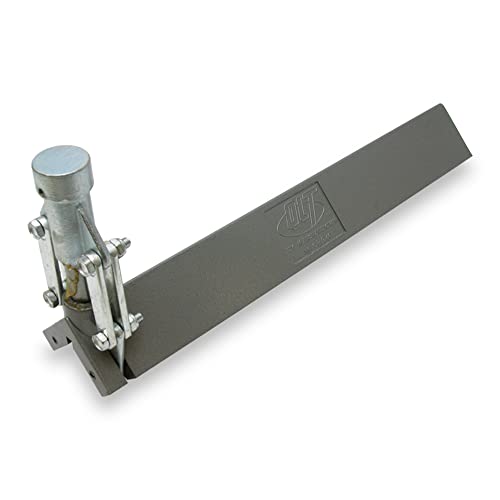 | Contractor-Grade Power | Head Material: Rubber | Handle Material: Rubber | Grip Type: Non-slip rubber | VIEW LATEST PRICE | Read Our Analysis |
| Goldblatt G15813 Corner Clincher and Mallet,Black | 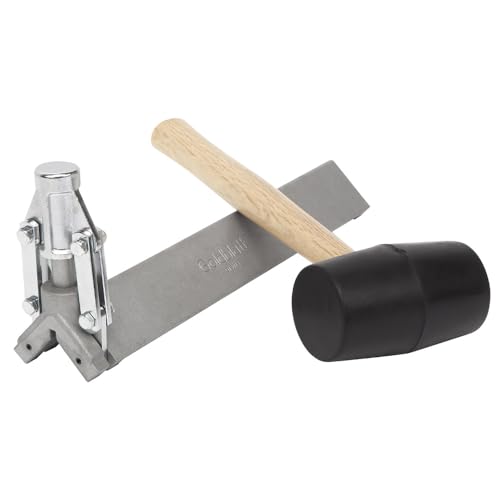 | Quick Precision | Head Material: Stainless steel, aluminum, aluminum/rubber | Handle Material: Wood, rubber | Grip Type: Rubber | VIEW LATEST PRICE | Read Our Analysis |
| Bon Toolrner Bead Tool 1 1/4″ | 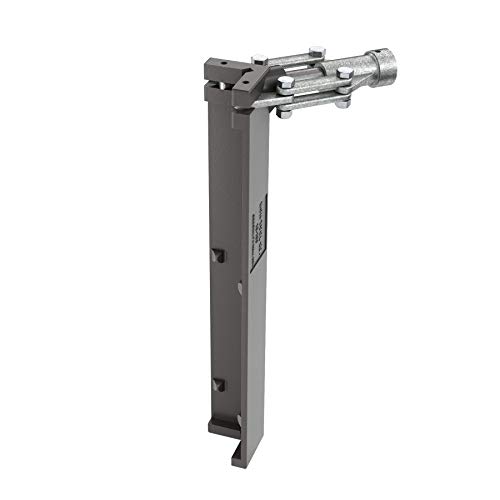 | Simple Crimping Solution | Head Material: Plastic | Handle Material: Plastic | Grip Type: Non-slip | VIEW LATEST PRICE | Read Our Analysis |
| Magisale Corner Bead Tool for Drywall Installation |  | Professional Versatility | Head Material: Iron | Handle Material: Iron | Grip Type: Non-slip | VIEW LATEST PRICE | Read Our Analysis |
| Kraft Tool DC806 Bead Clinch 1-1/8-Inch | 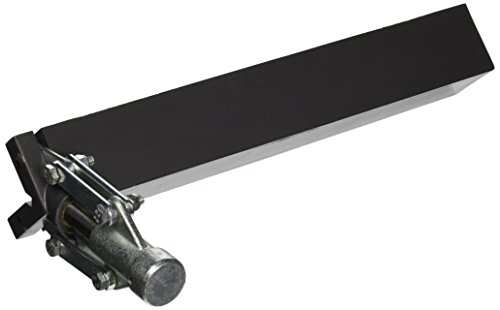 | Compact Efficiency | Head Material: Stainless steel | Handle Material: Stainless steel | Grip Type: Not specified | VIEW LATEST PRICE | Read Our Analysis |
More Details on Our Top Picks
QLT By MARSHALLTOWN Cornerbead Tool Drywall Crimp 1 1/4 Inch CB370
The QLT By MARSHALLTOWN Cornerbead Tool, also known as the CB370, is an essential tool for drywall professionals. This contractor-grade tool is specifically designed for cornerbead installation and measures 1 1/4 inches. It centers the cornerbead accurately, allowing for efficient mud distribution while eliminating the need for nails or staples. You can easily crimp the cornerbead with a single hit from a rubber mallet. The non-slip rubber grip guarantees comfort and control during use. Always remember to wear safety goggles to protect your eyes. This tool’s multi-color design adds a touch of style to your toolkit.
- Head Material:Rubber
- Handle Material:Rubber
- Grip Type:Non-slip rubber
- Functionality:Crimps cornerbead and centers for mud
- Weight:Not specified
- Use Type:Professional use
- Additional Feature:Centers cornerbead efficiently
- Additional Feature:Contractor-grade quality
- Additional Feature:Multi-color design
Goldblatt G15813 Corner Clincher and Mallet,Black
Looking for a drywall tool that guarantees quick installation of corner bead? The Goldblatt G15813 Corner Clincher and Mallet is designed for efficiency. This tool drives and crimps corner beads with just one blow, making your work faster. It features long-lasting precision-ground teeth, ensuring clean and accurate results. Made with stainless steel and aluminum, the head is durable, while the comfortable wood handle provides a solid grip. The rubber grip type adds to your comfort during extended use. Overall, this corner clincher is a reliable choice for professionals who value durability and performance in drywall projects.
- Head Material:Stainless steel, aluminum, aluminum/rubber
- Handle Material:Wood, rubber
- Grip Type:Rubber
- Functionality:Drives and crimps corner bead with one blow
- Weight:Not specified
- Use Type:Professional and DIY use
- Additional Feature:Quick installation feature
- Additional Feature:Long-lasting precision teeth
- Additional Feature:Comfortable wood handle
Bon Toolrner Bead Tool 1 1/4″
Crimping corner beads efficiently requires a reliable tool like the Bon Toolrner Bead Tool 1 1/4″. This tool crimps each side of the corner bead, securing it in place during installation. The head is made of durable plastic, and the non-slip handle guarantees a firm grip while you work. You’ll find that the force of your blows centers the bead, making the process smoother. Although the mallet is sold separately, pairing it with this tool will enhance your efficiency. Remember to apply consistent pressure to achieve the best results, and you’ll be well on your way to perfect drywall corners.
- Head Material:Plastic
- Handle Material:Plastic
- Grip Type:Non-slip
- Functionality:Crimps corner bead, locking it in place
- Weight:Not specified
- Use Type:Not specified
- Additional Feature:Crimps both sides equally
- Additional Feature:Force centers bead
- Additional Feature:Mallet sold separately
Magisale Corner Bead Tool for Drywall Installation
Designed for both seasoned professionals and DIY enthusiasts, the Magisale Corner Bead Tool is a standout choice for drywall installation. This iron corner clincher fixture and crimper features a lightweight design at just 2 lbs, allowing for easy portability. It has an adjustable clamp with multi-angle locking, which helps make quick spacing adjustments for precise drywall alignment. The ergonomic handle reduces fatigue during extended use. Its crimping mechanism guarantees secure bonding between metal beads and drywall, preventing cracks. Compact at 7.1 inches, it fits easily in any toolbox and is suitable for various applications, assuring reliable performance at job sites.
- Head Material:Iron
- Handle Material:Iron
- Grip Type:Non-slip
- Functionality:Crimps corner bead for secure bonding
- Weight:2 lbs
- Use Type:Professional and DIY use
- Additional Feature:Adjustable multi-angle clamp
- Additional Feature:Lightweight, 2 lbs
- Additional Feature:High-strength iron construction
Kraft Tool DC806 Bead Clinch 1-1/8-Inch
For drywall professionals seeking reliability and efficiency, the Kraft Tool DC806 Bead Clinch stands out with its spring-loaded arm mechanism. This tool drives cornerbead tight using a solid rectangular design and a flat head style. Weighing just 0.15 pounds and measuring 1.13 inches in length, it’s easy to handle and maneuver. Simply use a rubber mallet to deliver a sharp blow, securing the bead firmly in place. The stainless steel handle ensures durability, making it a dependable choice for any drywall job. Plus, it’s backed by Kraft Tool Co’s quality assurance. Verify you check the return policy for peace of mind.
- Head Material:Stainless steel
- Handle Material:Stainless steel
- Grip Type:Not specified
- Functionality:Drives corner bead tight with a blow
- Weight:0.15 lbs
- Use Type:Professional use
- Additional Feature:Spring-loaded arm operation
- Additional Feature:Brushed stainless steel finish
- Additional Feature:Mechanical hand-powered design
Factors to Consider When Choosing a Corner Bead Clincher
When choosing a corner bead clincher, consider several factors that affect usability and performance. Look at the tool’s material durability, as well as grip and comfort during extended use. Additionally, evaluate ease of operation, size for portability, and any adjustability features to ascertain it meets your specific needs.
Tool Material Durability
Choosing the right material for a corner bead clincher is essential for guaranteeing you get a durable and efficient tool. Your options usually include plastic, stainless steel, aluminum, and high-strength iron. Stainless steel stands out for its corrosion resistance, making it perfect for tough construction sites. On the other hand, high-strength iron offers amazing wear resistance, so it holds up well under frequent use. The durability of these materials directly impacts the tool’s performance, helping distribute pressure evenly during crimping. You’ll want a clincher that balances strength with lightweight design, ideally around 2-3 pounds. This combination helps reduce fatigue while allowing for precise operation. Investing in quality materials will guarantee your clincher lasts and performs effectively.
Grip and Comfort
The right grip and comfort features on a corner bead clincher can considerably improve your efficiency and enjoyment while working. Look for an ergonomic handle design that includes a non-slip grip, as this will enhance user comfort and reduce hand fatigue. Rubber grips typically provide a secure hold, whereas wooden handles offer a classic feel but may not resist moisture well. Weigh the tool; lighter options are easier to maneuver for extended tasks. Make certain the design is well-balanced to distribute weight evenly, which adds to comfort. Additionally, consider grip size: handles that are too thick or too thin can lead to discomfort and reduce your control during operation. Prioritize these factors when selecting your clincher.
Ease of Operation
Selecting a corner bead clincher that provides ease of operation can greatly impact your workflow. Look for designs that allow for smooth installation with minimal effort. A rubberized grip and ergonomic handles help reduce fatigue during long tasks. Ideally, the tool should enable crimping in a single motion, enhancing productivity. Lightweight tools are easier to maneuver, especially in tight spaces. For consistency, choose models with precision ground teeth or efficient crimp mechanisms. Consider clinchers ranging from 12 to 18 inches in length, as these sizes balance control and reach. Check for a crimp strength rating of at least 1,000 pounds to confirm reliability. Prioritize comfort and functionality to make your drywall projects more manageable.
Size and Portability
When it comes to corner bead clinchers, size and portability are essential factors to evaluate. A compact clincher easily fits into standard toolboxes, allowing for efficient storage and transport. Weigh your options; lighter tools typically reduce fatigue during long jobs. Look for clinchers weighing around 1 to 2 pounds, making them easy to handle. Dimensions also matter; guarantee the clincher’s size, around 12 to 18 inches long, accommodates your specific application needs. Additional portability features include lightweight construction and adjustable clamps, which facilitate quick adjustments during installation. Multi-angle capabilities enhance adaptability, allowing you to work in tight corners with ease. These considerations will guarantee you select a suitable tool for your drywall projects.
Adjustability Features
Adjustability features become increasingly important as you evaluate corner bead clinchers for drywall projects. Quick manual spacing adjustments enhance your drywall installation’s alignment. Look for tools equipped with multi-angle locking mechanisms. These offer versatility for different corner types and angles, streamlining your work. Ergonomic handles with adjustable grips reduce user fatigue, allowing for more comfortable use during long projects. Additionally, some clinchers adapt to various bead sizes, making them functional across different applications. Choose lightweight designs that have compact dimensions, as they facilitate easy handling and portability. This is especially useful when making adjustments on job sites. Overall, consider these adjustability features to improve both efficiency and comfort in your drywall installation tasks.
Precision and Accuracy
Assuring precision and accuracy in corner bead clinchers is essential for achieving a professional finish in drywall projects. A snug fit between the beads and drywall reduces the risk of cracks. Look for tools with crimping mechanisms that deliver a single, forceful blow, which enhances mud distribution. High-quality clinchers often feature precision-ground teeth, providing a consistent crimping action with minimal effort. You should also choose tools allowing easy alignment adjustments to guarantee squared and aligned corners. Regularly inspect your clinchers for wear and tear, as damaged components can affect precision. Aim to maintain your tools well to assure they perform at their best over time, helping you achieve a flawless finish on every project.
Price and Value
Selecting the right corner bead clincher hinges on two main factors: price and value. Start by checking the price range of clinchers in the market to guarantee you’re making a wise investment. Higher-priced models typically use more durable materials and advanced mechanisms, providing long-term savings through reduced replacement costs. Don’t overlook the warranty; a longer warranty often reflects quality and the manufacturer’s confidence in their product. Consider additional features like ergonomic designs that enhance comfort and efficiency during prolonged use. Remember, investing in a reliable corner bead clincher can also save time and labor costs, making the initial purchase price seem more reasonable over your project’s duration. Always weigh these factors against your specific needs.
Frequently Asked Questions
How Do I Maintain My Corner Bead Clincher?
To maintain your corner bead clincher, first, clean it after each use to prevent debris buildup. Use a damp cloth for any sticky residue. Check the jaw mechanism regularly; lubricate it with a silicone spray if it’s stiff. Confirm the adjustment screws are tight, tightening them with a Phillips screwdriver if necessary. Store the clincher in a dry place, protecting it from rust. Regular checks lead to better performance and longer lifespan.
Can These Tools Be Used on Different Drywall Thicknesses?
Yes, you can use corner bead clinchers on different drywall thicknesses, typically ranging from 1/2 inch to 5/8 inch. For accurate usage, adjust the clincher’s depth setting based on the drywall thickness. Make certain it fits snugly against the corner bead. After adjusting the tool, securely clinch the bead by pressing it against the wall. Check the beads’ alignment to confirm a smooth finish before applying joint compound, allowing for a perfect result.
What Materials Are Best for Corner Bead Clinchers?
The best materials for corner bead clinchers are typically stainless steel and aluminum. Stainless steel offers durability and resistance to corrosion, while aluminum is lightweight and easy to handle. For most projects, you’ll want clinchers designed for 1/2-inch or 5/8-inch drywall thickness. Verify the clincher’s size matches your corner bead width, which usually measures 2-1/2 inches. This compatibility helps guarantee a secure attachment, promoting a professional finish in your drywall installations.
Do Corner Bead Clinchers Require Any Assembly?
Corner bead clinchers usually don’t require any assembly. They come ready to use out of the box. To get started, simply slide the clincher onto the corner bead, ensuring it fits snugly. You’ll need a drywall screw gun with a #2 Phillips bit. Position screws approximately 12 inches apart along the bead, securing it against the drywall. Make sure you double-check alignment for a clean finish before moving on to taping and mudding.
Are There Any Safety Precautions When Using These Tools?
When using corner bead clinchers, you should follow important safety precautions. Always wear safety goggles to protect your eyes from debris. Use gloves to prevent cuts from sharp tools and drywall edges. Make certain your workspace is clear of clutter to avoid tripping hazards. When handling clinchers, keep your fingers away from moving parts. Finally, check that all tools are in good condition, and never use damaged equipment. These steps help maintain a safe working environment.