


Are you tackling a drywall project and feeling torn between self-adhesive and traditional drywall tape? You’re not alone. A lot of DIYers face this choice, and each option has its perks.
Self-adhesive tape is a lifesaver if you want a quicker setup. It sticks right to the wall without needing joint compound beforehand. This means no waiting around for layers to dry, which is a win. Plus, it’s thinner and mold-resistant, making it a top pick for areas like kitchens and bathrooms.
But don’t count out traditional paper tape just yet. It requires that you embed it in joint compound, which might seem like extra work. However, this method gives you a stronger bond, especially in high-stress spots like corners. If you’re dealing with a lot of movement or heavy wear, traditional tape can stand up to the challenge.
Here are a few tips to consider:
- If speed and ease are your priorities, try self-adhesive tape.
- For areas needing durability, traditional paper tape is your best bet.
- Remember, the choice might also depend on your specific project needs.
So, why does this matter? Well, using the right tape can save you time, headaches, and even extra costs down the line. Think about where you’re using it and what kind of stress those joints will face.
In short, both types of tape have their place in your toolbox. The best part is, picking the right one can make your project go smoother. What will you choose?
Key Takeaways
- Self-adhesive tape simplifies installation with no need for joint compound, making it quicker and easier for beginners.
- Traditional paper tape requires embedding in joint compound, providing stronger bonds especially in high-stress areas like corners and seams.
- Self-adhesive tape is made from fiberglass mesh, offering tear resistance and mold resistance, ideal for kitchens and bathrooms.
- Although paper tape may be cheaper upfront, self-adhesive tape saves time and potentially reduces ongoing labor costs.
- Consider the project’s demands: self-adhesive is great for straightforward tasks, while traditional tape excels in challenging environments.
Understanding Self-Adhesive and Traditional Drywall Tape Basics
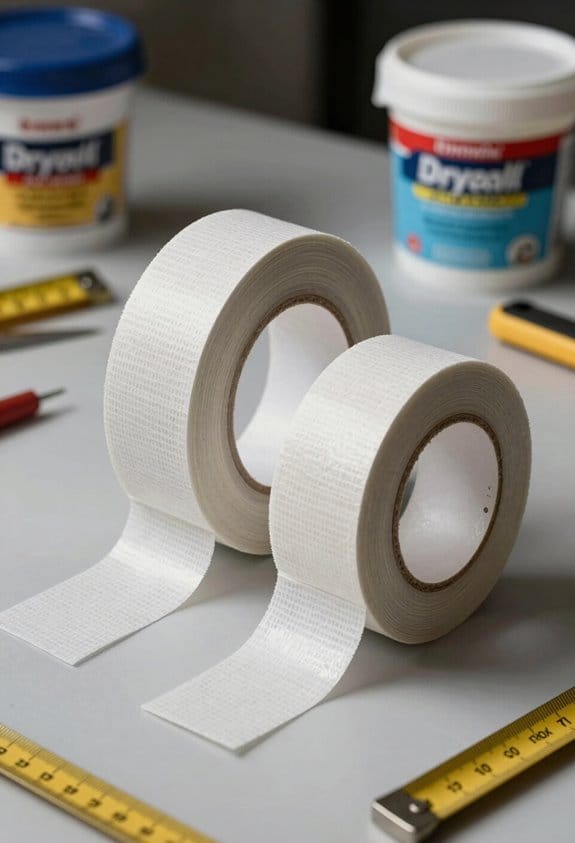
When you’re getting into drywall projects, it can feel a bit overwhelming trying to figure out what tape to use. Ever wonder why some folks swear by self-adhesive tape while others stick to the traditional method? Let’s break it down.
Self-adhesive tape has a sticky back, which makes it super easy to apply right out of the box. This is great for beginners because you can slap it on without having to fuss with any additional materials. Plus, it sticks quickly, which significantly cuts down on bubble issues during installation. You can practically feel the relief when things go smoothly!
On the other hand, traditional paper tape requires joint compound to hold on, but it brings some serious advantages. This type of tape creates a strong bond that works well in areas under stress, like corners or seams. If you’re looking for a virtually seamless finish, paper tape is the way to go. Just keep in mind that using it requires a skillful touch to avoid any visible mistakes, especially in those tricky corner areas.
Now, when it comes to moisture resistance, self-adhesive mesh tape takes the crown. If you’re dealing with a bathroom or laundry space, this is definitely something to consider. You don’t want your hard work ruined by moisture issues, right?
Ultimately, your choice between self-adhesive and traditional tape should depend on what you need for your specific project and your comfort level with drywall work. Each type has its unique strengths and weaknesses, and being aware of them can save you time and frustration. Additionally, understanding the installation method preferences can help ensure your tape and drywall finish last longer and look better.
Top Reasons to Choose Self-Adhesive Drywall Tape
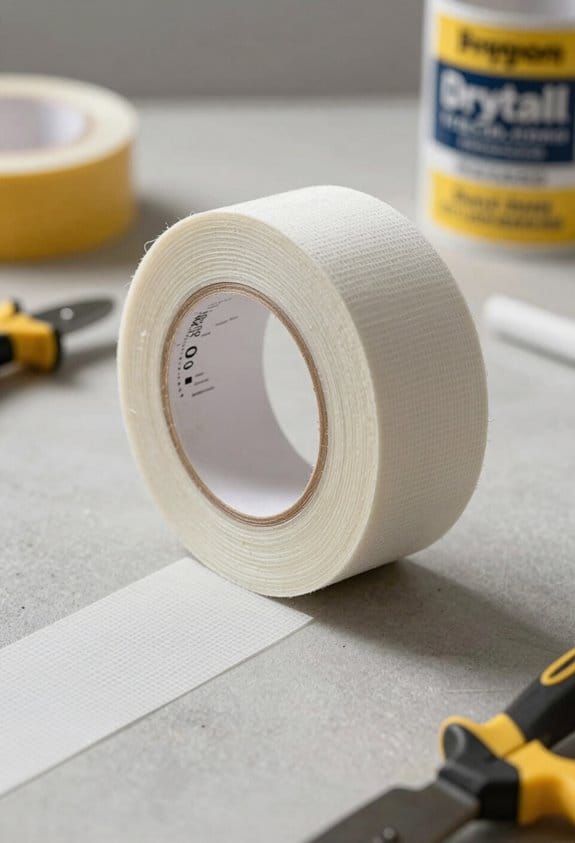
Ever struggled with taping drywall? It can be a real pain, but self-adhesive drywall tape might just make your life a whole lot easier. This tape doesn’t need any joint compound for the first application, which means you can get the job done faster. If you’re tackling a home project, that’s a big win!
Made from fiberglass mesh, this tape stands up to tears and sticks well in those areas that need a little extra strength. Whether you’re a seasoned pro or a DIY novice, you’ll appreciate how easy it is to position. You won’t feel like you’re fighting with your materials!
And let’s not forget about mold resistance—this is especially important if you’re working in kitchens or bathrooms. You don’t want to deal with damp issues later on. Plus, since it’s thinner, you won’t have to worry about it bulging under the surface, which helps you achieve a smooth finish.
Additionally, many self-adhesive tapes offer strong initial tack, preventing slippage and making repairs more reliable.
To sum it up, self-adhesive drywall tape could be the reliable choice you need for your next drywall project. Why complicate things when you can keep it simple? So, are you ready to give it a try?
Recommended Products

Create a doorway in a plastic dust barrier quickly and easily

12-PACK CASE - Individually packaged in case box with a Plastic Knife in each pack

DIMENSIONS – 1/2” Square | 32 x 100 Pcs | Black | Material Nylon | Use with 18 Lb - 40 Lb Strength Zip Tie
Using Traditional Drywall Tape: Tips and Techniques for a Great Finish
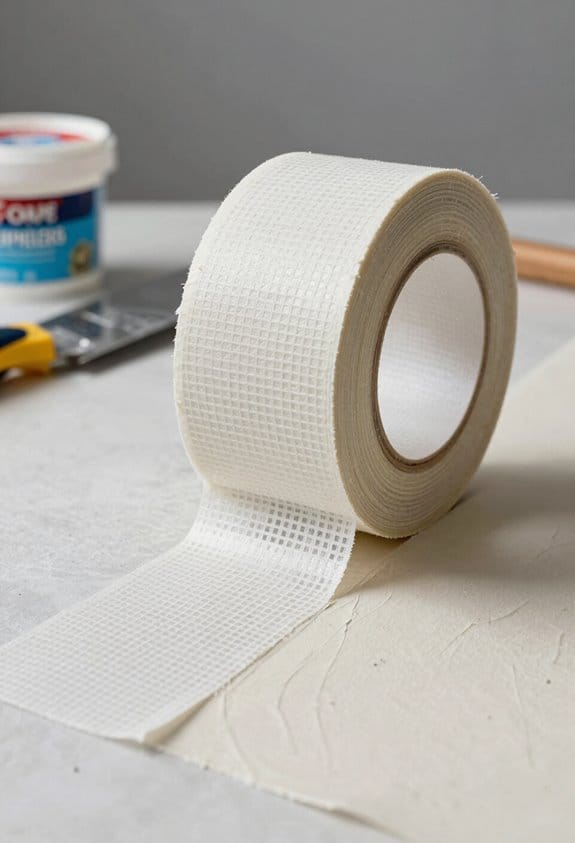
Applying traditional drywall tape can really elevate your finishing game if you nail it. So, are you using paper tape or mesh tape? The choice matters—paper tape generally provides a sturdier hold when you’re dealing with drywall seams, especially in wet areas. You’ll want to mix your joint compound well and apply it evenly and deeply to create a solid bond.
Try this: grab a 6-inch drywall knife and embed that paper tape firmly into the joint compound. Cover it completely without leaving air bubbles. For inside corners, remember to fold the paper tape; it helps keep the shape neat and tidy.
After you’ve taped everything up, let the joint compound dry completely. It’s smart to apply at least two to three coats—this is key for getting that smooth finish you’re after. Once you’re done, give the dried compound a light sand with fine-grit sandpaper. The aim here is to make sure no tape lines peek through before you put on your paint.
For a professional touch, consider using systems with easy installation features to streamline your drywall finishing workflow.
Recommended Products

GENUINE MATRIX 6" CARBON STEEL JOINT KNIFE PLUS PRO SERIES TAPING KNIFE SET WITH MATRIX STYLE HANDLES - Comfort, control, balance and perfect flex make these the best knives you'll ever use.

GUARANTEED TOUGH | These professional grade DEWALT hand tools are guaranteed to exceed your expectations for quality, performance and reliability.

𝐏𝐫𝐞𝐦𝐢𝐮𝐦 𝐌𝐚𝐭𝐞𝐫𝐢𝐚𝐥𝐬:Made of PVC composite laminate, anti-scratch, high impact, color fadeless, more durable and stronger than other plastic self-adhesive tiles. Brushed surface finishing with realistic look, high waterproof and stain-resistant performance, protect the walls from splash and iol.
How to Compare Installation Processes: Self-Adhesive vs. Traditional
Choosing between self-adhesive and traditional drywall tape can really trip up your project if you’re not familiar with the differences. When it comes to installing self-adhesive tape, you’ll find it’s pretty straightforward. There’s no need for extra joint compound, which is a huge plus if you’re new to this DIY scene. On the flip side, traditional paper tape requires mud to be embedded properly, and that takes a bit of skill. But when you nail it, the strength and durability of traditional tape can really impress.
So, why does this matter? If your project is in an area that’s often damp, self-adhesive tape is fantastic because it’s resistant to mold and mildew. Plus, it can save you some time, which is great if you’re looking to reduce labor costs—especially in less complex areas that don’t need a ton of detail.
In contrast, traditional tape does demand some careful techniques, but that can lead to super nice results if you know what you’re doing. Here’s the trick: always make sure to take your time when applying the traditional tape, as rushing can lead to issues down the line.
To wrap it all up, choosing the right tape really depends on your skills and the job at hand. Are you ready to tackle your next drywall project? Remember, selecting the proper tape size and material strength is key for a flawless finish.
Recommended Products

STRONG FIBERGLASS CONSTRUCTION: Durable fiberglass mesh tape provides reliable joint reinforcement for drywall seams and repairs. Ideal for long-lasting wall patching and spackle applications.
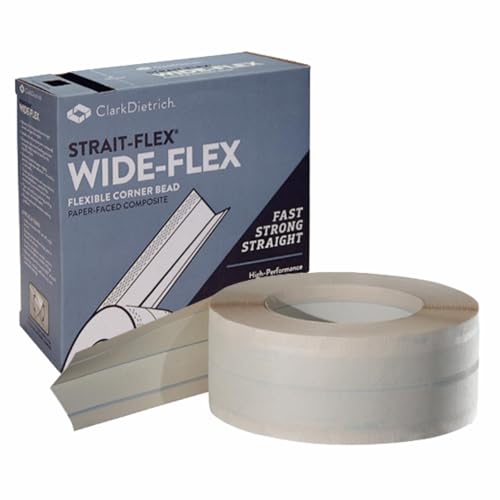
Adjustable Corner Bead - Strait-Flex Wide-Flex is a mud-on, paper-faced composite corner bead that adjusts to inside, outside, 90°, and off-angle corners. It simplifies drywall finishing on standard or vaulted walls, making outside and inside corner repair faster and easier.
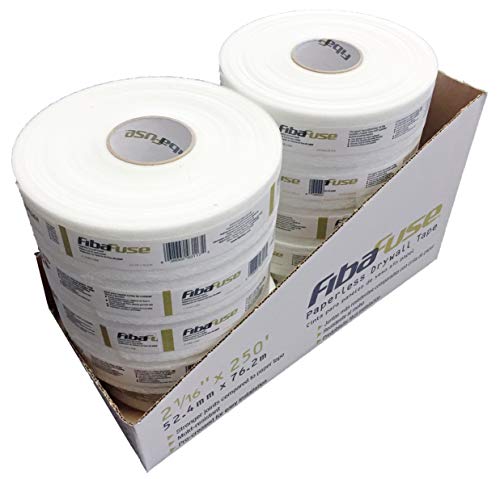
Pack of 10 - Adfors FibaFuse Paperless Drywall Joint Tape 2 in. x 250 ft. White
Cost Insights for Choosing Between Drywall Tape Types
When tackling a drywall project, have you ever wondered which tape to use? It’s not just about the price; it’s also how the choice impacts your time and effort. Traditional paper tape usually runs between $2 and $5 per roll, while self-adhesive mesh tape can cost between $5 and $10. For smaller repairs, paper tape might seem like the more budget-friendly option, but let’s dig a little deeper.
Professionals tend to lean toward self-adhesive mesh tape because it can save valuable time. With paper tape, you’re going to need joint compound, which adds another layer of cost and work. This means more mixing and applying, while mesh tape lets you skip that step entirely. So, if time’s of the essence, mesh tape could be the way to go.
But what about durability? If you’re working in high-stress areas—like corners or places that see a lot of movement—you might want to stick with paper tape. Sure, it may cost less upfront, but it typically holds up better in the long run. So which one do you choose? You have to weigh immediate costs against long-term needs.
The bottom line is that both types of tape have their perks depending on your specific project. What matters most to you—cost, ease of use, or durability? It’s also important to consider the material strength of the tape to ensure lasting performance for your repairs.
Frequently Asked Questions
Can Self-Adhesive Tape Be Used for Ceiling Applications?
Yes, we can use self-adhesive tape for ceilings, but we should consider its adhesion strength, moisture resistance, and surface compatibility. Compared to traditional tape, its durability and long-term performance may vary, affecting finish quality.
How Long Does Self-Adhesive Tape Last Compared to Traditional Tape?
Self-adhesive tape generally lasts well, but traditional tape typically offers better longevity. While self-adhesive durability comparison shows promise, environmental factors, like moisture, impact aging materials more, affecting adhesive bond strength and repair options down the line.
Is Joint Compound Necessary With Self-Adhesive Drywall Tape?
We think joint compound’s necessary for ideal results with self-adhesive tape. It enhances adhesion strength, improves durability, and offers better finishing techniques, while also aiding in surface preparation and providing water resistance compared to traditional methods.
Can Self-Adhesive Tape Be Reused Once Applied?
Self-adhesive tape isn’t designed for reuse due to its adhesive strength and surface compatibility. In installation, we should consider cost efficiency, performance comparison, and residue concerns. Applying it correctly guarantees better material durability and overall results.
What Tools Are Needed for Installing Traditional Drywall Tape?
We’ll need a utility knife, measuring tape, drywall corner tools, and a sanding block for our project. Did you know proper mud mixing methods can cut drying time in half? Let’s perfect our tape application techniques!


