


Got a cracked wall or a hole in your drywall? If you’re dealing with damaged drywall, especially in kitchens or bathrooms where moisture lurks, fiberglass mesh tape is your go-to solution. It resists mold and sticks like a champ, making it ideal for those pesky cracks and holes that pop up over time.
When you’re ready to repair, start by cleaning the area around the damage. Make sure to cut the tape a bit bigger than the spot you’re fixing. Then, here’s the trick: press the tape into a thin layer of joint compound. This helps it adhere better and ensures your repair lasts. Proper application is key—trust me on this; it pays off in durability.
The best part is that using mesh tape isn’t just straightforward; it’s also effective. This tape allows for a smooth finish, and since it’s strong and flexible, it can handle slight shifts in the wall without cracking.
Honestly, if you often find yourself dealing with drywall issues, it’s worth getting familiar with this method.
So, why does this matter? If you want a solid repair that stands the test of time, fiberglass mesh tape is a smart choice. Let’s face it, no one wants to do the same repair twice!
In short, keep your toolbox stocked with this tape to make future repairs easier. Have you had any successes or failures with drywall repairs that you’d like to share?
Key Takeaways
- Use fiberglass mesh tape for repairing damaged drywall, including cracks and holes, to ensure strong adhesion and durability.
- Apply mesh tape in moisture-prone areas like kitchens and bathrooms to take advantage of its mold-resistant properties.
- Opt for fiberglass mesh tape for quick fixes, especially when time is limited, as it allows for rapid application without prior mud.
- Utilize mesh tape in high humidity spots where traditional tape may fail, as it enhances crack resistance and flexibility.
- Choose fiberglass mesh tape for flat seams or larger repair spots, as it provides strong bonding with joint compounds and supports movement without cracking.
When to Choose Fiberglass Mesh Tape for Repairs
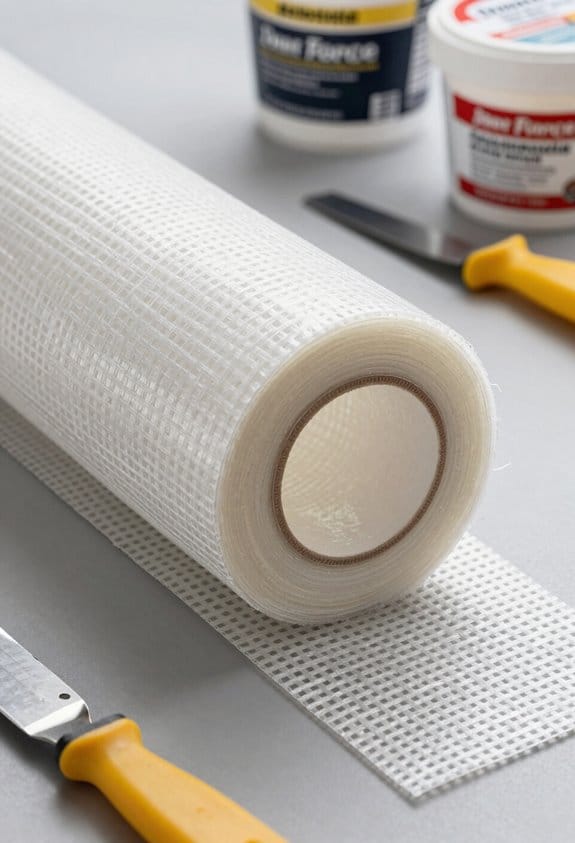
When you’re facing a repair job, especially with damaged drywall, fiberglass mesh tape can be a lifesaver. Think about it. You’re in the kitchen, bathroom, or any other moisture-prone area where cracks or holes have made their unwelcome appearance. Here’s the deal: this self-adhesive tape is super easy to apply and doesn’t require you to mess around with mud beforehand. It works like a charm for larger damaged spots and flat seams.
So, when you’re ready to start applying joint compound over the tape, keep in mind that using non-shrinking setting compounds is crucial if you want to avoid those pesky cracks later on. And here’s a tip: if your project involves flat seams, blend that fiberglass mesh tape with paper tape at corner joints. This combination really boosts the strength and overall finish of your work, making sure those repairs endure over time.
Honestly, why not give fiberglass mesh tape a shot? It can save you time and make your repairs look top-notch. As you dive into your next DIY project, consider this handy tool. You might just find it’s the best addition to your repair kit! For optimal results, remember to choose tape with high tensile strength to ensure durability and resistance to cracking.
Recommended Products

STRONG FIBERGLASS CONSTRUCTION: Durable fiberglass mesh tape provides reliable joint reinforcement for drywall seams and repairs. Ideal for long-lasting wall patching and spackle applications.

Non-Adhesive: This Dry wall mesh is non-Adhesive.

High Strength Fiberglass: Fiberglass mesh fabric is tough, non-deforming, resistant to pulling and tearing, anti-aging, can withstand sudden changes in temperature, and easily dissolves in oily liquids such as styrene. Stereotypes do not fall off, can easily solve the problem of wall cracking.
Common Damage Types for Fiberglass Mesh Tape Repair
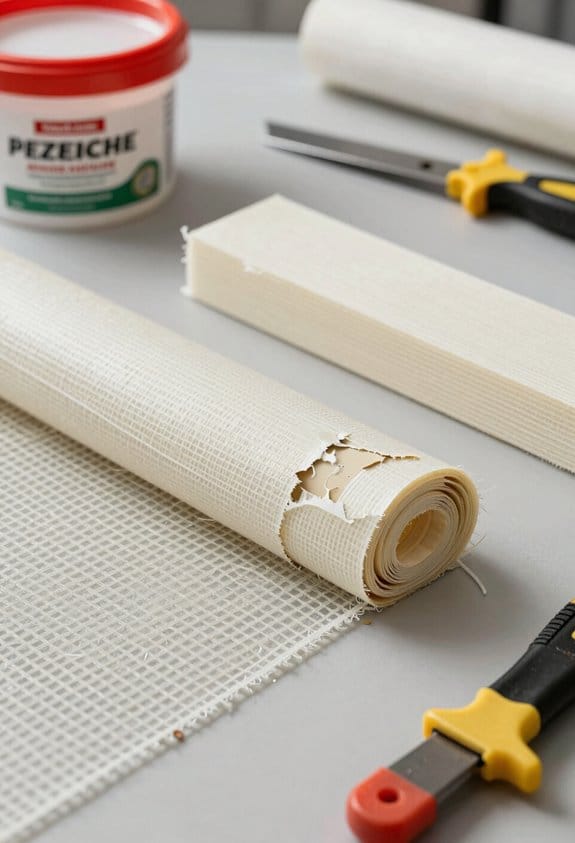
Have you ever stared at a crack in your drywall and wondered how you’d fix it? Cracks and holes can pop up out of nowhere, but that’s where fiberglass mesh tape really shines. It’s a straightforward solution for those annoying repairs, especially if you want to keep things hassle-free.
What’s great about fiberglass tape is its self-adhesive backing. Just cut a piece, slap it over the damaged spot, and you’re good to go. If you’re in a humid area, this tape is even more of a lifesaver. It helps keep moisture from seeping in and causing bigger issues down the line.
Here’s the trick: When you’re using this tape, make sure to embed it properly, particularly on flat seams. That way, you’ll get a smooth finish when you apply joint compound over it. The open weave design allows the compound to grip tightly, which helps reduce the risk of future cracks.
Using fiberglass mesh tape for your DIY projects reinforces those patched areas and spreads out any stress that could make new damage more likely. So, why does this matter? Because a little preparation can save you a lot of headaches later on. For enhanced stability and durability, it’s best to use it in combination with joint compound application as this creates stronger and longer-lasting repairs.
Recommended Products

Material: Fiberglass mesh is made of platinum fiberglass woven as the base material and soaked and coated with polymer. (please note that this product is not self-adhesive).

Pack of 10 - Adfors FibaFuse Paperless Drywall Joint Tape 2-1/16 in. x 500 ft. White

SUPERIOR SEALING: Fiber-reinforced formula ensures leak-free HVAC systems, improving energy efficiency and performance
Benefits of Using Fiberglass Mesh Tape for Repairs
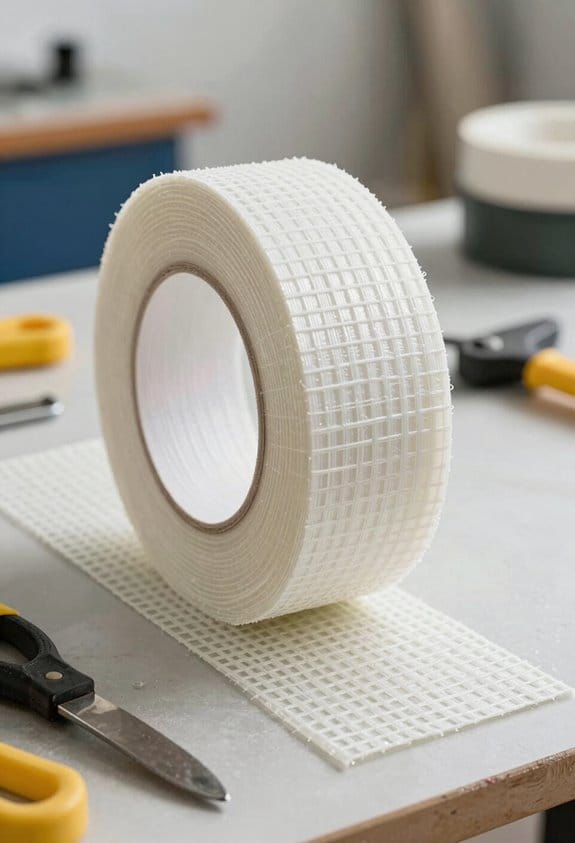
Have you ever faced a tricky repair job and wished there was an easier way to get it done? Fiberglass mesh tape could be just what you need. It’s self-adhesive, which means you can apply it quickly without fussing over joint compounds first. This feature makes it perfect for those instances when you’re in a hurry.
The open weave structure of the tape is another plus. It allows joint compounds to bond really well, ensuring a strong adherence to whatever surface you’re working on. This kind of reliability is key when you want your repairs to last. And if you’re often dealing with damp areas, like kitchens or bathrooms, you’ll appreciate its mold-resistant properties—no one wants mold creeping into their repairs!
Flexibility is another selling point. Whether you’re working in tight spaces or tackling complex shapes, this tape bends and conforms to your needs. It pairs nicely with non-shrinking setting compounds for durable results—meaning you’ll deal with fewer cracks as time goes on.
When you choose fiberglass mesh tape, you’re investing in quality. Fiberglass tapes also provide high tensile strength that enhances crack resistance and durability. Take the time to consider how it can enhance your repair projects. So, what have you got to lose by giving it a shot?
Recommended Products

12-PACK CASE - Individually packaged in case box with a Plastic Knife in each pack

HEATIT warm mat was used underneath of many popular flooring material such as ceramic tiles, natural stones, wood, laminate, and so on. One piece 100 sq. ft. mat consists of a heating cable secured with double-sided tape onto a fiber-glass mesh, and No need to calculate spacing dimensions when installing.

HEATIT warm mat was used underneath of many popular flooring material such as ceramic tiles, natural stones, wood, and so on. One piece 100 sq. ft. mat consists of a heating cable secured with double-sided tape onto a fiber-glass mesh.
How to Apply Fiberglass Mesh Tape
Have you ever faced a pesky hole or crack in your drywall? It can be a real pain, but fixing it doesn’t have to be overwhelming. When it comes to using fiberglass mesh tape, attention to detail is key.
Start by cleaning the damaged area. This step is crucial, as a clean surface ensures that the tape will stick properly. Once that’s done, cut the mesh tape a few inches longer than the damaged area. You’ll want to make sure it covers everything.
Next, grab some joint compound and spread a thin layer over the damaged section. Press the mesh tape firmly into that wet compound. This technique really helps it adhere well. After that, add a bit more joint compound over the tape. It’s important to let each layer dry completely before you move on to sanding it down.
For the first coat, using a non-shrinking joint compound is the way to go. It sets up nicely and helps create a smooth finish. So, why does this matter? Because it ensures your repair is not just a quick fix, but a long-lasting solution.
Choosing a tape with an open mesh design can help prevent air trapping and blisters for a better finish.
In short, with a little time and effort, you can make your drywall look good as new. So, what’s holding you back from tackling that repair?
Recommended Products

ALUMINUM PERFORATED PATCH: Durable 6 x 6 in. aluminum patch designed for easy wall and ceiling repairs. Ideal for covering wall holes and reinforcing damaged surfaces in your home.

Plastering Mesh For Wall Crack Repair, Non-Adhesive: This fiberglass mat offers excellent tensile strength, effectively distributing the shrinkage stress in wall mortar and putty. It helps prevent cracking and peeling of walls and improves their overall strength.

Non-Adhesive: This Dry wall mesh is non-Adhesive.
Best Environments for Using Fiberglass Mesh Tape
When it comes to repairs around your home, figuring out the right materials for the job can be a bit confusing. Have you ever tackled a project in a damp area and wondered what tape to use? Fiberglass mesh tape might just be your best friend in those moist environments like kitchens and bathrooms, where the risk of mold is higher.
The self-adhesive quality of fiberglass mesh tape makes it super easy to apply since you don’t have to deal with a joint compound first. That’s a huge plus when you’re short on time or just want to get things done quickly. You’ll find it shines when there’s a lot of joint compound involved, making it perfect for flat seams or larger repairs.
Consider these perks:
- Great for moist areas due to its resistance to mold.
- Strong adhesion helps prevent peeling, especially in tricky spots.
- Works well with quick-setting compounds to ensure durability.
So, why does this matter? If you’re dealing with less stable areas or spots that are prone to moisture, choosing fiberglass mesh tape can save you from future headaches. Truth is, it gives your repairs the strength they need, even where other materials might fall short.
In addition, the choice of materials resistant to moisture and mold is crucial for long-term durability, similar to selecting the right mass loaded vinyl used in soundproofing applications.
In the end, using the right tape can make all the difference in how long your repairs last. Have you tried fiberglass mesh tape yet, or do you have another go-to product?
What’s the Difference Between Mesh and Paper Tape?
Have you ever stood in the middle of a drywall project, staring at all the tape options, and wondered which one is the best choice for your job? Figuring out whether to go with mesh or paper tape can be a bit overwhelming.
Fiberglass mesh tape is self-adhesive, which means you can slap it on pretty quickly, especially for flat seams and small repairs. It sticks well enough that you don’t have to fuss with joint compound for it to stay in place. But here’s the thing: while it allows joint compound to seep through its open weave, it doesn’t always guarantee that perfectly smooth finish you might be after. So, if you’re looking for speed, mesh tape might be your go-to, but keep in mind that it might not be ideal for a flawless look.
On the flip side, paper tape requires joint compound for adhesion, and in my experience, it delivers a rock-solid bond—particularly if you’re dealing with butt joints and inside corners. This type of tape has a bit more rigidity, which can prevent structural issues after application. It takes a little more time to apply because of the joint compound, but the results are often worth it.
Here’s a trick: many DIY enthusiasts recommend a combination of both types. Using fiberglass mesh for those flat seams allows for quicker application, while paper tape for the corners provides that strong foundation you want. Additionally, using lightweight joint compounds can make the process easier and reduce sanding time after the tape is set.
Recommended Products

Good fitsment: This front fog lamp vent is well fits for Mercedes Benz C Class W205 C180 C200 C250 C300 C400 Base Sedan 2015 2016 2017 2018 2019, not for Sport & AMG Models

High strength and strong adhesive with resin.

Material: Fiberglass mesh is made of platinum fiberglass woven as the base material and soaked and coated with polymer non-toxic environmentally friendly emulsion (please note that this product is not self-adhesive). It is normal for the sides and ends to be slightly apart. If you mind, please don't buy.
Common Mistakes to Avoid With Mesh Tape
Ever tried fixing drywall and ended up with more problems than you started with? You’re not alone! When it comes to using fiberglass mesh tape, a few missteps can really mess up your repairs.
One of the biggest blunders I’ve seen is overlapping the mesh tape incorrectly. This can lead to uneven surfaces and those dreaded visible seams that scream “DIY disaster.” Make sure to press the mesh firmly into the wet joint compound—that’s key. Otherwise, it could loosen as it dries, and no one wants to deal with that!
When applying joint compound, it’s so tempting to just slather it on, but you’d be better off going for thin, even layers. Think finesse, not excess; too much compound can result in a lumpy finish that just won’t look right. So, here’s the trick: take your time and build it up slowly.
Another mistake to avoid is skimping on the sanding and finishing steps. Honestly, these steps can make all the difference. Skipping them can leave you with a rough texture that stands out like a sore thumb against the rest of your wall. After all your hard work, you want it to look seamless, right?
Also, remember to clean the surface thoroughly before applying tape to ensure strong adhesion and a lasting repair.
Best Practices for Ensuring Durable Drywall Repairs
Got a drywall repair that’s been bugging you? You’re not alone. Many of us have faced that frustrating moment when a hole or crack in the wall demands our attention. But don’t worry; with a little know-how and the right materials, you can tackle it like a pro.
First things first: you need a clean and smooth surface to start. Make sure you remove any loose debris or old tape from the damaged area. For the initial coat, opt for a non-shrinking setting joint compound. This stuff is great because it sticks well and won’t shrink as it dries.
Now, here’s the trick: when you apply fiberglass mesh tape, make sure it extends beyond the damaged area and press it firmly into the wet compound. This is crucial because it creates a solid base that’s less likely to crack or come loose down the road. You also want to avoid slapping on too much joint compound at once; thin, even layers are the way to go.
After you’ve got your tape down, allow that first coat to dry before sanding. Regular sanding between coats is a must if you want to keep everything looking neat and consistent. Keep the sanding light—no need to overdo it. Honestly, checking your work against some professional drywall standards can help you see how close you are to that polished finish.
Using tools with ergonomic grips and secure locking mechanisms can also help you maintain control and precision when reaching higher or hard-to-reach areas while applying compound or sanding.
In the end, take a moment to admire your hard work. You’ve turned a problem into a well-done repair! So, what other small home projects have you been putting off?
When to Seek Professional Help for Drywall Repairs
When you’re faced with drywall repairs, it’s easy to feel a bit overwhelmed. I mean, what do you do when you’ve got large holes or serious water damage? It’s tempting to think you can tackle it yourself, but that might not be the best route.
If you run into situations like these, hiring a professional is often the smartest choice. They know how to handle different methods to patch up the damage and blend it in so well you won’t even notice it was ever there. Plus, if you’re lacking experience or the right tools, trying to fix things yourself might just lead to more headaches down the road (and not the good kind).
Think about it: when it comes to complex issues like moisture problems or cracks from settling, you really need someone with specialized skills. It’s not just about fixing the drywall; it’s about understanding the underlying issues. By reaching out for professional help, you can make sure those repairs are solid and lasting.
So, here’s the trick: make an informed decision based on the extent of the damage and your own abilities. Trust me, it pays off in the long run. You want to preserve your home’s value, after all. Honestly, sometimes it’s worth putting down the tools and calling in the experts for peace of mind.
In the end, it all comes down to asking yourself: Do you want a quick fix, or do you want a repair that lasts? Professional repair often involves choosing the right materials, such as mesh patches for durability and moisture resistance, which ensures a longer-lasting solution.
Frequently Asked Questions
When to Use Fiberglass Mesh Tape?
We use fiberglass mesh tape for patch repair when tackling ceiling cracks or drywall seams, especially after water damage. Its flexible tape application allows for time-efficient repairs and supports textured finishes with proper surface preparation.
What Is Fiber Mesh Tape Used For?
Fiberglass mesh tape’s great for joint strengthening in drywall finishing. It enhances tape durability during repair projects, effectively preventing wall cracks. Plus, its moisture resistance makes it perfect for areas needing surface preparation and application techniques.
When to Use Drywall Mesh Patch?
Like a spider weaving a secure web, we should use drywall mesh patches for patching small holes or repairing large seams. Their adhesive properties and finishing techniques make them versatile, surpassing paper in durability and strength.
Can I Use Mesh Tape With All-Purpose Mud?
Yes, we can use mesh tape with all-purpose mud, but we should be cautious. Proper technique enhances tape adhesion, while avoiding common repair mistakes will yield better results than choosing between mesh vs. paper options.


