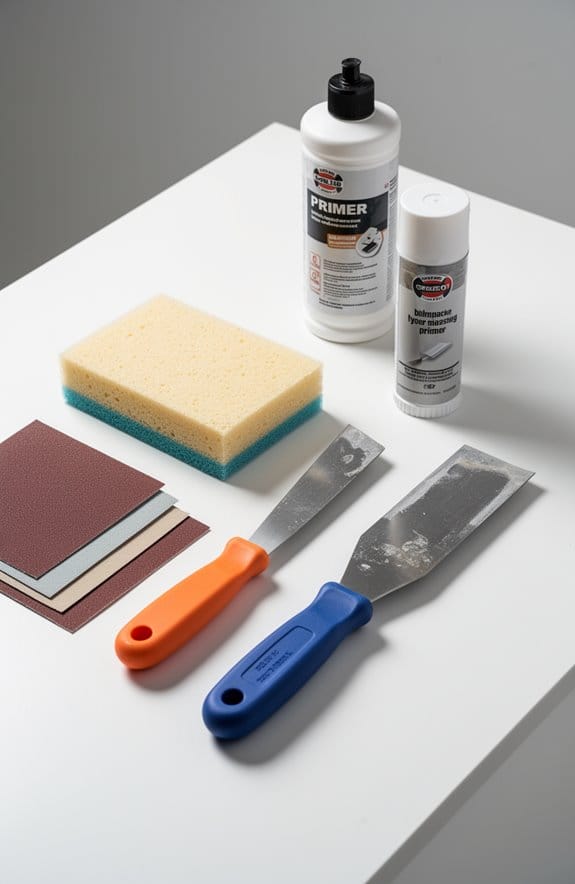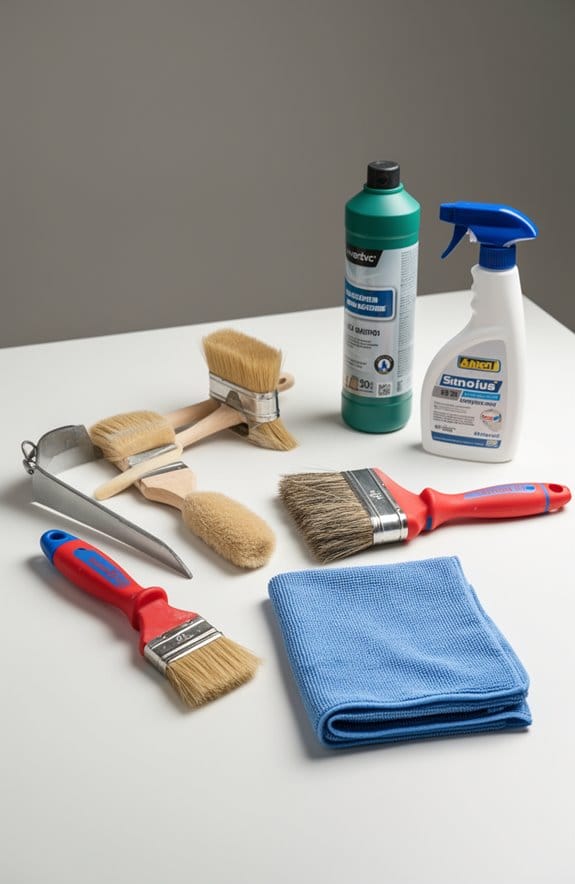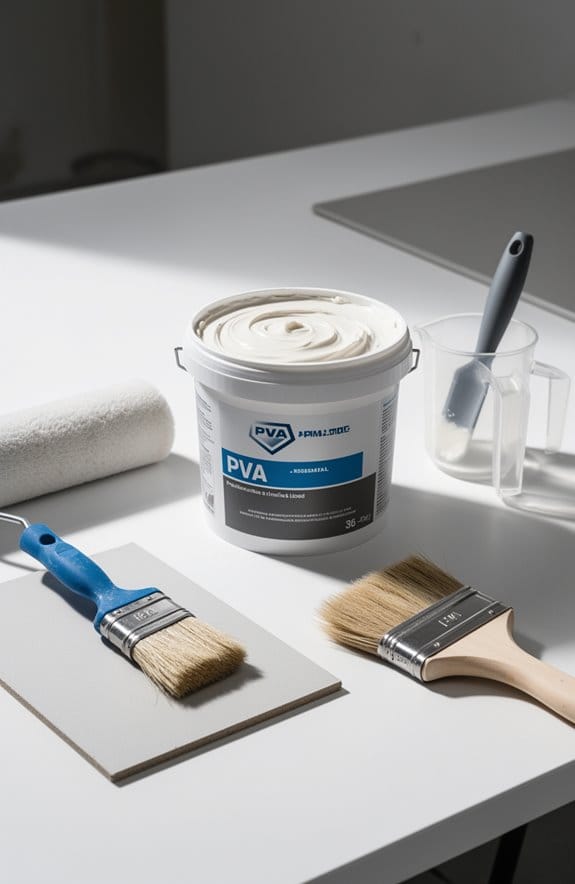

PVA primer, or Polyvinyl Acetate Primer, is a must-have when sealing new drywall. Think about it—when you’re excited to paint, the last thing you want is peeling or bubbling paint because it didn’t stick right. PVA primer helps create a solid barrier, improving paint adhesion and keeping moisture from causing trouble down the line.
When it comes to applying the primer, you might want to reach for a roller or sprayer for the best finish. Just remember: it’s important to clean the drywall thoroughly first to avoid any dust or debris interfering with your primer.
A real tip here is to avoid oversaturating the surface; a nice, even coat goes a long way. And don’t forget to check the label for drying times before you jump into painting—it really makes a difference in the final results.
So, why does this matter? If you want your paint job to last, taking the time to use a PVA primer is well worth the effort. Honestly, it not only enhances durability but also improves the overall finish quality.
Now, after addressing the primer, you’ll be well-equipped to tackle the next steps in your project with confidence.
In short, always consider using PVA primer for new drywall. It’s a small step that leads to a much better painting experience. What’s your go-to tip for ensuring a flawless paint job?
Key Takeaways
- PVA Primer, or Polyvinyl Acetate Primer, seals porous drywall surfaces like Sheetrock to enhance paint adhesion and prevent uneven moisture absorption.
- It’s essential for new drywall installations, ensuring optimal bonding and reducing the risk of peeling paint.
- The primer dries quickly, allowing for faster project completion while offering a smooth finish that improves the overall appearance.
- Key application techniques include cleaning the surface, applying with a brush, roller, or spray, and sanding after drying for a flawless result.
- Recommended brands like Kilz and Zinsser can be found at hardware stores and online, providing a variety of options for different project needs.
What Is PVA Primer and How Does It Work?
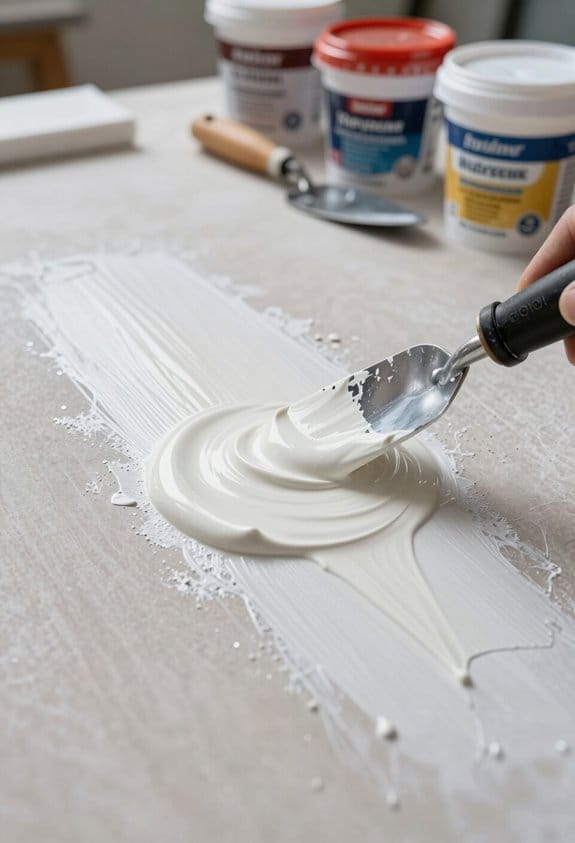
Have you ever painted new drywall only to end up with a patchy finish? It can be super frustrating when the paint doesn’t go on smoothly. That’s where PVA Primer comes into play. This stuff, short for Polyvinyl Acetate Primer, is a must-have if you’re tackling drywall projects.
PVA Primer is designed specifically for sealing the porous surfaces of drywall. What does that mean for you? Basically, it prevents those annoying issues with uneven moisture absorption that can lead to streaks and peeling paint. Whether you’re working on Sheetrock or wallboard, this primer is versatile enough to handle various surfaces.
Here’s the trick: When you apply PVA Primer, you’re not just prepping the surface. You’re creating a barrier that boosts paint adhesion, so your finished walls look flawless. For the best results, grab a roller or brush and make sure to apply a nice, even coat. A gallon of this primer usually covers about 350 to 400 square feet, so keep that in mind as you’re planning your project.
Once it dries (which it does pretty quickly), you’ll find that painting over it is a breeze. You’ll likely need fewer coats of paint to get that uniform finish you want. Plus, if you invest in quality tools, you’ll make the whole priming process smoother. Using a moisture resistant drywall primer like Zinsser Mold Killing Primer can also enhance surface protection in high humidity areas.
The Benefits of Using PVA Primer on Drywall
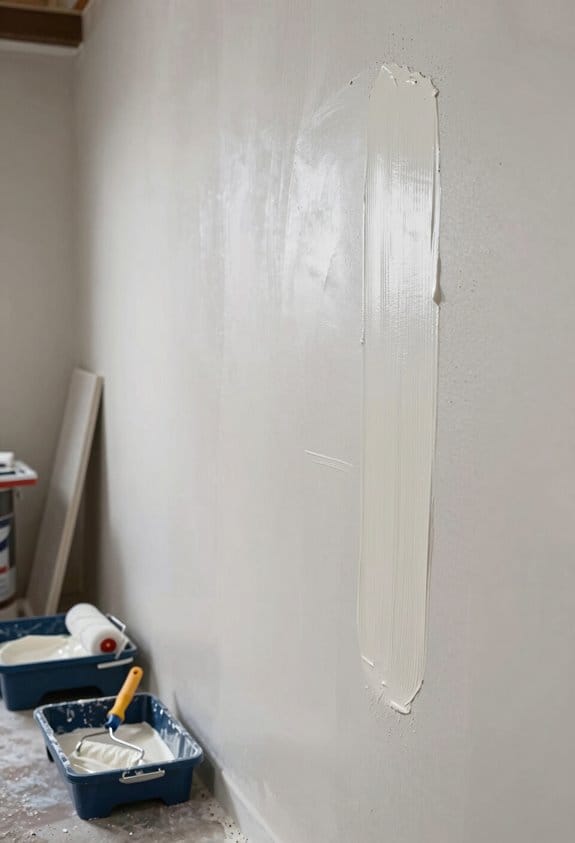
Have you ever stared at your freshly installed drywall and wondered how to make the paint job look truly professional? One thing you really want to consider is using a quality primer, especially a PVA primer. This stuff seals the surface of new drywall, which means your paint will absorb evenly. That’s a big deal because it can help prevent those annoying streaks or splotches that nobody wants to see in their final coat.
Now, let’s talk about adhesion. With PVA primer, you’re going to get better paint adhesion, which helps to reduce the risk of peeling later on. It’s a small step that pays off in the long run by giving you a finish that lasts. Plus, if you’re trying to save on paint, this primer works wonders. It allows you to use less paint for full coverage, so the costs of your renovation won’t skyrocket.
You’ll also appreciate how PVA primer smooths out the surface of the drywall. This creates that silky finish that can really elevate the overall look of your space. And let’s be honest, no one wants to go through the hassle of multiple coats when they can just get it right the first time.
The best part is the drying time. It dries quickly, which means you can get back to painting sooner without losing momentum on your project. Who doesn’t love finishing up faster? Valspar 11288 Interior PVA Wall Primer, for example, is a professional-grade option known for its fast-drying and sandable properties, making it ideal for drywall projects.
Recommended Products
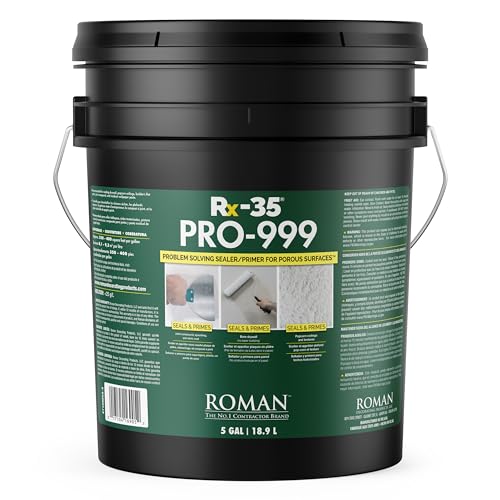
IDEAL DRYWALL PRIMER - ROMAN Clear Primer is excellent for priming over torn or bare drywall and most other porous surfaces. Ready to hang wallcoverings after approximately 4 hours dry time.

Grey Primer Base

DYCO TUFF GRIP 5 GAL. 9040 CLEAR LOW SHEEN INTERIOR/EXTERIOR WATERBORNE BONDING PRIMER DYC9040/5
Ideal Scenarios for Using PVA Primer
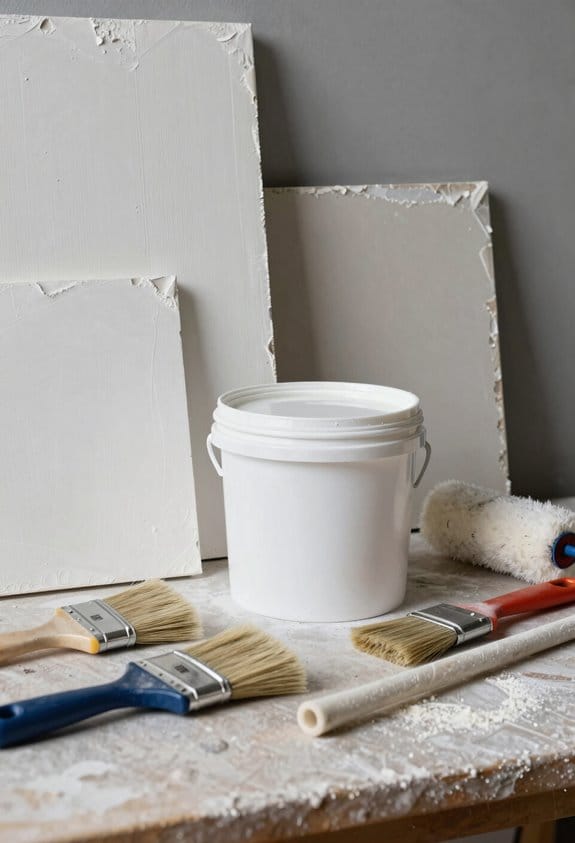
When you’re tackling a project with new drywall, the choice of primer can really make a difference in the final look. One of the best times to grab PVA primer is when you’re sealing those new drywall installations. It does a great job sealing those porous surfaces, which means the paint absorbs evenly. If you’re working on patched areas, PVA is also a smart choice. It helps blend those repairs in nicely with the surrounding drywall, giving you a smooth finish.
Now, if you’re in a rush, PVA can be a lifesaver with its quick drying time. This comes in handy whether you’re painting in a commercial space or a home. You’ll be able to recoat sooner, keeping your project on track. Plus, applying it on absorbent materials doesn’t just seal them; it boosts the durability of the paint by forming a strong bond.
Truth is, PVA primer is perfect for high-paced work environments. It’s what many professional painters turn to, especially when taking on larger renovation projects. The blend of efficiency and performance really sets it apart. Additionally, using PVA primer ensures better adhesion on surfaces like drywall and plaster for an even eggshell finish.
Recommended Products
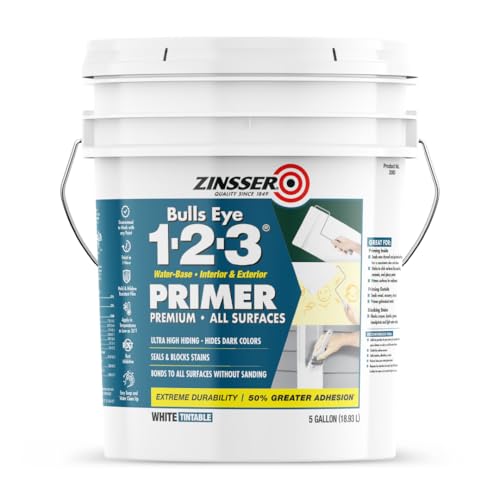
Low odor and easy to apply, with great flow and leveling

PRIME & SEAL IN ONE: High-solids formula acts as both a primer and sealer. It locks down porous surfaces and creates a uniform foundation, ensuring your topcoat applies smoother and uses less paint.

This item is Sheetrock First Coat Primer Sealer 5 Gl
Applying PVA Primer for the Best Results
Have you ever started a painting project only to find out the paint doesn’t stick or looks patchy? It’s frustrating, isn’t it? If you’re planning to use PVA primer, there are some steps you should definitely follow to ensure a flawless finish.
First things first: clean that drywall! Dust and debris can ruin your day, so grab a damp cloth or a sponge and give the surface a good wipe-down. This simple step makes sure the primer adheres properly, preventing uneven coverage that could leave you staring at an ugly wall.
Once the surface is clean, it’s time to apply the primer. You can use a brush, roller, or even a spray method—whatever works best for you. Just aim for an even coat. Remember, don’t thin or thicken your application. After you’ve primed, let it dry for the time mentioned on the label. Seriously, don’t skip this part!
So, what’s the trick if you’ve got new drywall or a porous surface? After the primer dries, lightly sanding it can help create a smooth surface for the paint. It’s a small step that makes a big difference in how your final paint job will look.
Truth is, taking the time to do this right can help optimize bonding and could save you some paint in the long run. A little prep work goes a long way! Also, ensure you use a low VOC compound for a healthier indoor environment when finishing drywall before priming.
Recommended Products


FP 410 URETHANE PRIMER IS AN EXCELLENT GRAY PRIMER AND HAS EXCELLENT

What is Venetian Plaster: Also known as “stucco Veneziano”, Venetian plaster is a wall and ceiling finish made from magnesium-grade dolomite limestone. It is heated to produce calcium oxide, then aged in water. Finally, the lime is blended with marble and other mineral aggregates. Applied in multiple layers, which are then burnished to create a smooth surface with the illusion of depth and texture. When applied correctly, this type of plaster will create a highly polished and marble-like finish.
What Mistakes Should You Avoid When Using PVA Primer?
What mistakes should you avoid when using PVA primer?
One of the biggest blunders people make is skipping the cleaning step. Without a clean surface to work with, you’re risking poor adhesion. Make sure there’s no dust or debris—it’s a must if you want the primer to stick well.
Another thing to watch out for is how you apply the primer. If you go too thin, it won’t seal correctly, but if you slather it on too thick, you could run into drying issues. And don’t even think about rushing the drying process. You’ll end up with an uneven base, and that’s a headache you don’t need.
Are you planning to use PVA primer on surfaces like metal or wood? Think again. It just won’t work out and can lead to peeling. Honestly, it’s not worth the trouble.
Also, don’t skip sanding the primed surface before painting. If you do, expect a rough texture that’ll show through your final coat.
To get that smooth finish you want, pay close attention to these steps. Additionally, proper maintenance and care like hand washing can greatly preserve the integrity of your tools and surfaces.
What do you think? Have you made any of these common mistakes before?
Can You Paint Directly Over PVA Primer?
So, you’re ready to paint over PVA primer but not sure how to go about it? The good news is, yes—you can paint directly over it once it’s fully dry. Usually, that takes about one to four hours, depending on your environment. Letting it dry completely is key, or you might end up with annoying streaks or peeling paint.
Now, when it comes to the actual paint, it’s best to stick with water-based options. They bond really well with PVA primers and give you that strong adhesion you want. Here’s the trick: apply your paint with a quality roller or brush, and go for thin, even coats. It makes a huge difference—this approach maximizes coverage and helps prevent uneven absorption in the substrate.
Honestly, nobody likes a rough finish, so following these tips will really set you up for success. It’s about that smooth, professional look we all strive for in our projects.
For best results, ensure all joints and seams are adequately covered before painting, as proper application techniques contribute significantly to the final finish and durability of the paint job, as highlighted in proper application techniques.
Have you painted over PVA primer before? What did you think of the results?
How Durable Is PVA Primer on Walls?
Have you ever painted a wall only to see the paint start peeling a few months later? It can be frustrating, but the choice of primer plays a huge role in how long your paint job lasts. That’s where PVA primer comes into play. It boosts paint adhesion to drywall, creating a durable bond that helps prevent peeling—a real lifesaver for your walls.
PVA primer does a solid job of sealing the porous surface of new drywall. This means it ensures even absorption of moisture, which is key for a lasting finish. Plus, if you live in a humid area, using PVA primer can help protect against mold, which is essential for keeping your walls looking fresh.
Here’s the trick: the fine grind formulation of PVA primer allows for a smooth application. This is great because it reduces the chances of imperfections that could shorten your top coat’s lifespan. With a bit of attention to detail during application, you not only enhance durability but also cut down on how often you need to repaint in the future. Isn’t that a win-win?
For added protection, applying a mildew resistant paint over PVA primer can significantly improve longevity and prevent mold growth, especially in moisture-prone areas.
Recommended PVA Primer Brands to Consider
Choosing the right PVA primer for your drywall project can be a bit daunting. With so many options out there, how do you pick the one that’ll actually do the job well? Picking a quality brand can seriously make a difference in how your paint adheres and how long it lasts.
Kilz PVA Drywall Primer is a solid choice that many homeowners swear by. It’s known for its great coverage and dries pretty quickly. That means you can get your job done without wasting too much time waiting around. Then there’s Zinsser Drywall Primer, which has impressive sealing abilities. It really does a good job prepping your surface for paint, so you might want to consider it if you’re looking for something reliable.
If you’re watching your budget, Behr Premium Plus Drywall Primer could be just perfect for you. It delivers solid performance without costing an arm and a leg. And let’s not forget FixALL PVA Drywall Primer. This one’s a versatile option that can cater to both commercial and residential needs, plus it dries quickly—great for those of you who want to move things along.
All these brands are made to enhance paint adhesion, which means you’ll get a smoother finish that holds up over time. Using a primer designed to work well with drywall joint compounds and tapes, such as paper drywall tape, can help ensure a seamless finish. So, what’s the best choice for you? It all depends on your specific project needs and budget. Remember, the right primer can be the key to a long-lasting, beautiful paint job! What’s on your DIY list this weekend?
Recommended Products

Superior Adhesion: Everbond RV Roof Primer ensures exceptional adhesion, creating a solid foundation for your roof coating and preventing peeling or flaking.

Easy application; apply two layers using a stainless-steel trowel or a spatula to form a durable, decorative finish

Where to Purchase PVA Primer
Have you ever found yourself in the middle of a drywall project, wondering where to get the right PVA primer? It’s a common concern, but the good news is, it’s pretty easy to find. You can head to your local hardware stores, home improvement centers, or specialized paint supply shops. Just enter your Zip Code online to check what’s available nearby.
If you’re considering brands, Kilz, Zinsser, and Behr offer some solid choices that many people trust. And for those who prefer shopping from home, online retailers like Amazon and specific paint websites often have various options too. The best part? They usually feature customer reviews, which can really help you pick the right product.
If you’re a professional or just taking on a larger project, keep an eye out for bulk purchasing options at these stores. It’s a great way to save some cash. When you shop for PVA primer, make sure to look for low VOC formulations. Why does this matter? These options can help you stay compliant with environmental standards and keep your indoor air quality in check.
Also, remember that PVA primers are primarily designed for new drywall surfaces, so selecting the proper primer helps ensure optimal adhesion and finish.
In short, finding PVA primer for your drywall project isn’t hard if you know where to look. So, what’s your go-to place when picking up supplies for your DIY endeavors?
Recommended Products

Solvent-based interior primer stops stain bleed through and seals porous substrates for a uniform finish.

Remains flexible and breathable over time so it doesn’t peel or crack when the weather and temperature change throughout the seasons.
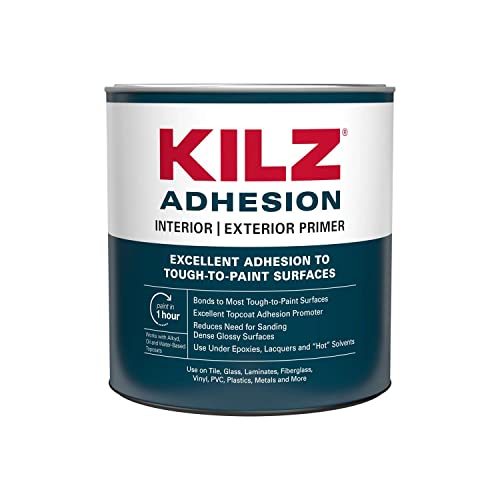
BONDING PRIMER: A high adhesion primer that bonds to a wide range of difficult to adhere to surfaces. It is formulated for situations where a secure bond is critical and use of a traditional water or oil base primer might be questionnable. It increases the possibilities for paintable surfaces.
Frequently Asked Questions
Does Drywall Need PVA Primer?
Did you know using PVA primer can reduce paint costs by up to 20%? We believe drywall definitely needs PVA primer for effective sealing, ensuring a smoother finish and preventing issues like peeling and uneven absorption.
What Is the Purpose of PVA Primer?
PVA primer helps us guarantee proper surface preparation by sealing porous drywall, preventing uneven absorption. It provides a smooth foundation for paint, improving adhesion and durability while minimizing the amount of paint we’ll need for full coverage.
Do I Need to Use PVA Before Painting?
Like a sturdy bridge connecting two shores, we need to use PVA primer before painting. Its benefits include sealing, even absorption, and lasting results. Skipping it could lead us to uneven surfaces and dissatisfaction.
Is PVA Good for Sheetrock?
Yes, PVA’s great for Sheetrock! It seals better, reduces moisture absorption, and improves paint adhesion. We’ll definitely appreciate the smoother finish and fewer coats needed, saving us time and ensuring a beautiful result.