
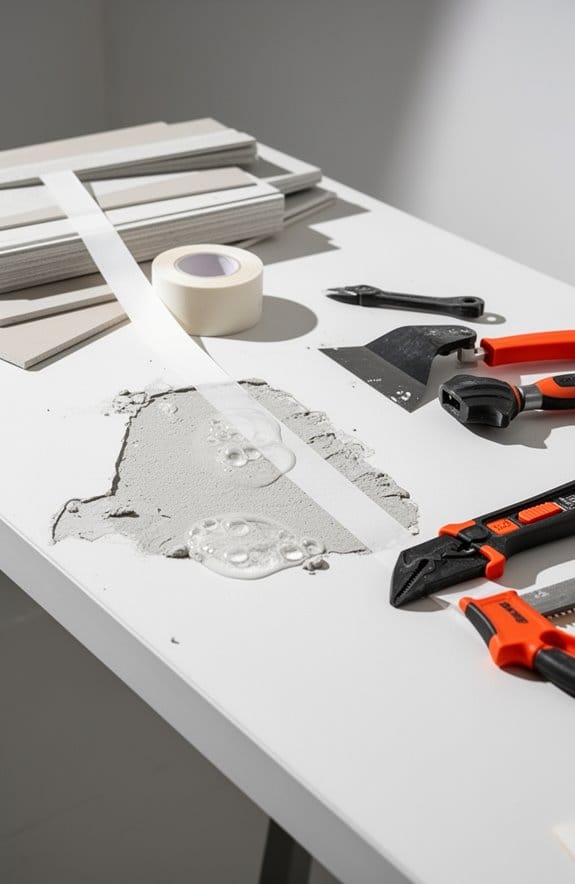

Have you ever noticed your drywall tape starting to lift or bubble? It can be a real pain and can mess up the look of your walls. There are a few reasons why it happens, and understanding these can help you avoid dealing with it down the line.
One big culprit is improper installation. If the joint compound isn’t applied correctly, it can create air pockets that later cause the tape to bubble up.
Moisture is another enemy here. Leaks or just high humidity can weaken the bond between the tape and the drywall, leading to peeling. Temperature swings can also do their part, causing materials to expand and contract, which puts stress on the tape.
To tackle these issues before they start, focus on using quality tape. You might think all drywall tape is the same, but picking a good one pays off in the long run. Also, make sure your installation conditions are dry and stable.
So, what can you do if you’re already facing problems? Here’s the trick: gently cut the lifted areas of tape with a utility knife, apply some joint compound underneath, and then press it back down. Smooth it out so it blends with the rest of the wall. It might take a bit of extra work, but it’s worth it to keep your walls looking clean and tidy.
Truth is, paying attention to these details during your install can save you a lot of hassle later on.
Drywall tape might seem minor, but it plays a big role in your overall finish. Have you had any experiences with lifting tape before?
Key Takeaways
- Improper installation techniques, such as uneven pressure, can lead to bubbling and lifting of drywall tape.
- Moisture exposure from leaks or high humidity weakens tape adhesion and causes air pockets.
- Rapid temperature fluctuations result in thermal expansion, stressing the tape and creating gaps.
- Inadequate joint compound application prevents a strong bond, leading to potential bubbling issues.
- Low-quality tape often lacks sufficient adhesion, making it prone to cracking or bubbling over time.
Common Causes of Drywall Tape Lifting or Bubbling

Have you ever looked at your walls and noticed the drywall tape starting to lift or bubble? It’s frustrating, right? Let’s explore a few common culprits behind this issue, so you can tackle it head-on.
First off, the way the tape is installed really matters. If it’s not done correctly, you’ll definitely run into problems down the line. One major misstep is using insufficient joint compound. Without enough of it, the bond simply isn’t strong enough to keep that tape in place.
Another big factor is moisture. Water leaks or high humidity levels can expose the tape to too much moisture, which leads to swelling and ultimately, bubbling. And if the joint compound used isn’t top-notch or is just old, it may not hold as well as it should when it dries out.
Did you know air bubbles can also be an issue? If air gets trapped under the tape during installation, it can create unsightly bubbles as it dries. It’s like inviting unwanted guests to a party—nobody wants that! Plus, you have to think about temperature fluctuations and structure settling, which can put added stress on seams, making them more prone to lifting.
Using fast-drying compounds can help ensure a stronger bond and prevent tape lifting by reducing the time the material is vulnerable to environmental factors.
So, what can you do? Keep an eye on those moisture levels, double-check your installation techniques, and be mindful of temperature changes in your home. Taking these simple steps can really help keep your drywall looking sharp and in great shape.
In short, by being aware of these common issues, you can maintain a solid and beautiful drywall installation. What measures do you think you’ll take to prevent future problems?
Recommended Products
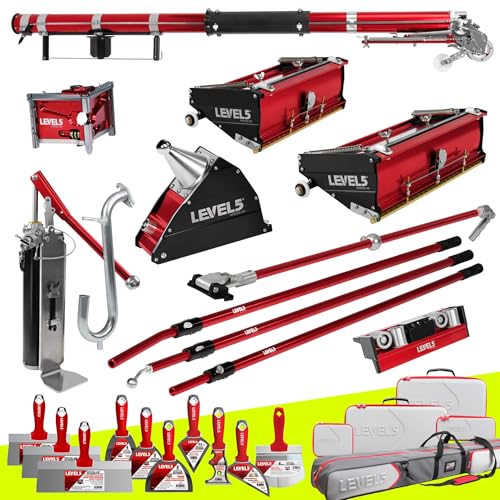
GENUINE LEVEL5 | If quality, performance, and reliability of your finishing tools matters, choose LEVEL5 brand tools.

GENUINE LEVEL5 | If quality, performance, and reliability of your finishing tools matters, choose LEVEL5 brand tools.

GENUINE LEVEL5 | If quality, performance, and reliability of your finishing tools matters, choose LEVEL5 brand tools.
How Moisture Affects Drywall Tape Adhesion

Have you ever put up drywall tape only to watch it lift or bubble a few weeks later? It’s frustrating, right? Moisture is one of the biggest culprits behind these issues. When drywall tape gets exposed to moisture, it can lose its grip, leading to all sorts of problems as time goes on.
Think about it—when tape absorbs moisture, it swells up and forms air pockets underneath. A few weeks in a humid environment or after a spill can lead to visible bubbles. You can almost hear the tape saying “I’ve had enough!” High humidity doesn’t help either, as it weakens the bond between the tape and the drywall.
So, what can you do? Here’s the trick: consider using moisture-resistant drywall tape. This type of tape can keep its hold even in tricky conditions, reducing the chances of bubbling down the line. Plus, it’s a solid option for preventing those annoying lifting spots.
In short, keeping moisture away from your drywall tape is key to maintaining a good finish. Using tools like an aluminum extension pole can also help you apply tape evenly and securely in hard-to-reach places. Think about how much time you want to save avoiding repairs down the road. Have you dealt with moisture problems in your projects? Let’s keep the conversation going!
How Temperature Changes Affect Drywall Tape

Have you ever noticed your drywall tape lifting or bubbling when the temperature swings? It’s more common than you’d think! These temperature changes can seriously mess with how well your tape sticks, and it’s frustrating when you’ve put in all that hard work.
Here’s the deal: drywall materials expand and contract as temperatures fluctuate. This movement puts stress on the tape and can lead to those annoying lift-ups. Plus, when humidity levels rise—which often happens with temperature shifts—you’re adding moisture to the equation. That moisture can weaken the bond between the tape and the drywall.
Rapid temperature changes can cause thermal expansion, which might create little gaps under your tape. You know those bubbles that form? Yep, that’s air getting trapped in those gaps. And when the temperature drops significantly, the drying process for your joint compound slows down, which can lead to even more adhesion issues.
So, what can you do to keep your drywall tape securely attached? Try maintaining a steady indoor temperature, ideally around 70°F. This will give you the best shot at avoiding some of those frustrating problems. Using lightweight joint compounds can also help in managing shrinkage and improving adhesion under varying temperature conditions.
How to Identify Poor Installation Techniques
How can you tell if your drywall tape is installed poorly? It’s a common issue that can really throw off your whole project.
Start by checking if the joint compound covers the seams completely. You want to avoid any air pockets beneath the tape. If you’re seeing bubbles, it might be because uneven pressure was applied when cutting the tape. Don’t skip mixing the joint compound well; thick or stiff mud can be a culprit for bubbling too.
Here’s the trick: wetting the tape before you apply it can really help with flexibility. You’ll find it lays down smoother and adheres better. Consistent application techniques matter, too. A wide knife with smooth strokes makes a big difference in minimizing uneven pressure.
So, why does this matter? The last thing you want is lifting or bubbling on your drywall tape, which can ruin the whole look. Keep an eye out for these issues, and you’ll end up with a solid finish that you’ll be proud of. Using lightweight joint compounds can also reduce cracking and bubbling by ensuring an even, flexible layer.
What Happens When You Use Low-Quality Drywall Tape?
Using low-quality drywall tape can really mess up your finished project. Have you ever noticed your seams lifting or bubbling? That’s often due to cheap tape that doesn’t adhere well. When it doesn’t bond properly with the joint compound, you can end up with air pockets that create visible cracks. Not only is that frustrating, but it also ruins the clean look you were aiming for.
Here’s another downside: low-cost drywall tape tends to be thinner and can tear easily while you’re applying it. Think about it—when your tape rips, you face a rough seam finish that can compromise your whole drywall job. The last thing you want is to deal with touch-ups later because you didn’t invest a little more up front.
So, what’s the takeaway? Spending a bit extra on quality drywall tape can save you money in the long run. You won’t have to worry about those lifted seams or annoying bubbles. Plus, doing a job right the first time is so much more satisfying, right?
In the end, opting for better tape can make a world of difference in the durability and look of your project. Why risk facing expensive repairs down the line? Make the smart choice for a smoother finish. Additionally, choosing tape with high tensile strength helps prevent cracking and prolongs the life of your repairs.
Recommended Products

STRONG FIBERGLASS CONSTRUCTION: Durable fiberglass mesh tape provides reliable joint reinforcement for drywall seams and repairs. Ideal for long-lasting wall patching and spackle applications.
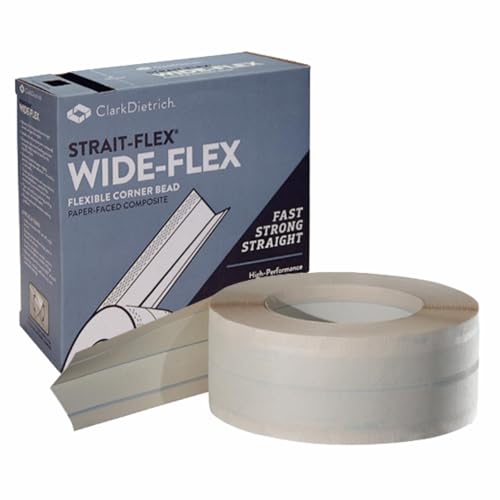
Adjustable Corner Bead - Strait-Flex Wide-Flex is a mud-on, paper-faced composite corner bead that adjusts to inside, outside, 90°, and off-angle corners. It simplifies drywall finishing on standard or vaulted walls, making outside and inside corner repair faster and easier.

High strength and strong adhesive with resin.
Signs of Structural Issues Behind Drywall Damage
Have you ever noticed lifted or bubbling drywall tape in your home? It might seem like a minor issue, but it could point to bigger problems lurking beneath the surface. Elevated moisture levels can weaken that tape, leading to signs of water damage. Plus, if your house has settled or shifted over time, it can put stress on the walls, causing those frustrating tape issues.
Let’s get real for a moment. Poor installation practices can also make things worse. If a taping banjo wasn’t used correctly, the compound application could be inadequate, making those bubbles and bulges even more likely. Have you seen visible signs of those? They might just be telling you something important—like that you need to look into it further.
To keep your walls safe and stable, pay attention to these signs. Take a proactive approach before any underlying issues escalate into something much worse. Trust me, it’s worth it to keep your home damage-free. So, what will you do next time you spot drywall tape problems? Using professional services can help address severe underlying structural issues effectively.
Preventative Measures for Avoiding Tape Issues
Ever had that sinking feeling when drywall tape starts to bubble or peel? It’s frustrating, right? Well, let’s dive into some straightforward ways to sidestep these annoying issues during installation.
Start by applying a good amount of joint compound. This makes sure the tape sticks well, which keeps air pockets at bay. Here’s the trick: lightly moisten the tape with a damp cloth before you apply it. This little step boosts its flexibility and helps it conform better to the surface.
While you’re working with a putty knife, keep even pressure—too much mud can lead to unsightly bubbles. If you’re dealing with tape options, consider self-adhesive fiberglass tape over traditional paper tape. It offers a stronger grip and can significantly cut down on lifting.
Don’t forget about moisture, either. Keep an eye out for any water issues nearby; excess moisture can weaken the tape’s bond and create more headaches down the line.
For the best results, using a drywall tape known for its high tensile strength can further prevent lifting and bubbling.
Effective Repair Techniques for Bubbling Drywall Tape
Bubbling drywall tape can really dampen the look of your walls, can’t it? But fixing it doesn’t have to be a headache. Start by carefully cutting out the area where the tape is bubbling. Make sure your cut is clean and neat so you don’t end up damaging the surrounding drywall.
Next, get some joint compound and apply a fresh layer over the affected area. You’ll want to spread it a little beyond the edges of the existing tape. This helps the new tape stick better.
Now, here’s the trick: lay a new piece of drywall tape over the patch and overlap the old tape slightly. Press it down firmly into the wet joint compound. Grab your taping knife and smooth out the new tape, making sure to apply even pressure. Don’t worry if it doesn’t look perfect at first—once it dries, you might need to add a couple of extra coats to achieve a seamless finish.
Honestly, taking these steps can make a big difference. Just think about how satisfying it’ll be to have those walls looking fresh again! So, you ready to tackle that bubbling tape? Ensuring proper adhesion is as important as choosing the right material durability for a lasting repair.
Recommended Products

GENUINE LEVEL5 | If quality, performance, and reliability of your finishing tools matters, choose LEVEL5 brand tools.

GENUINE LEVEL5 | If quality, performance, and reliability of your finishing tools matters, choose LEVEL5 brand tools.

Easy Corner Finishing: Effortlessly apply joint compound to inside corners with our MudRunner Applicator, no squeezing required
What to Do If the Problem Persists?
If drywall tape keeps lifting after your repairs, it’s time to dig a little deeper. Have you checked the moisture levels in that area? It’s crucial to spot any leaks or humidity issues that might be causing problems. Next, think about how you repaired it the first time around. If the mud application wasn’t quite right or it didn’t bond well, those could be the culprits behind those pesky lifts.
You might want to try using self-adhesive fiberglass tape next. It’s got better adhesion and can help prevent future issues. But if the problem persists even after that, don’t hesitate to call in a professional. They’ll be able to check for structural issues that go beyond simple patchwork and give you a clearer picture of what’s going on.
Lastly, keep an eye on the area. Surface bubbling can be more than just a nuisance; it might indicate water damage or flaws in the installation that need fixing pronto. So, why let it go unchecked? All in all, staying proactive about these repairs can save you a lot of headaches down the line. Have you ever faced similar frustrations with drywall repairs?
For the best results, ensure you use wall fillers with waterproof options when handling moisture-prone areas to prevent lift and bubbling.
Recommended Products

12-PACK CASE - Individually packaged in case box with a Plastic Knife in each pack

Material: Fiberglass mesh is made of platinum fiberglass woven as the base material and soaked and coated with polymer. (please note that this product is not self-adhesive).

Conceals and reinforces joints between drywall boards
Frequently Asked Questions
Why Does Drywall Tape Bubble Up?
Drywall tape bubbles up mainly due to poor tape adhesion during drywall installation. It often happens with insufficient joint compound or improper techniques that trap air, leading to moisture issues and weakened bonds over time.
Why Is Drywall Tape Lifting?
Did you know nearly 30% of homeowners experience drywall adhesion issues? We’re seeing tape lift primarily due to moisture problems and poor application techniques, which can undermine that vital bond, leading to frustrating results.
How to Fix Drywall Tape Coming Up?
To fix drywall tape coming up, we can use effective repair methods like cutting out damaged sections, applying joint compound, and ensuring proper overlap with new tape. These fixing techniques help us achieve a smooth, lasting finish.
What Causes Drywall Tape to Buckle?
Tape can buckle due to improper tape installation, moisture intrusion, and fluctuating temperature swings. It’s like a dance gone wrong, where the partners, drywall and tape, can no longer hold onto each other securely.


