
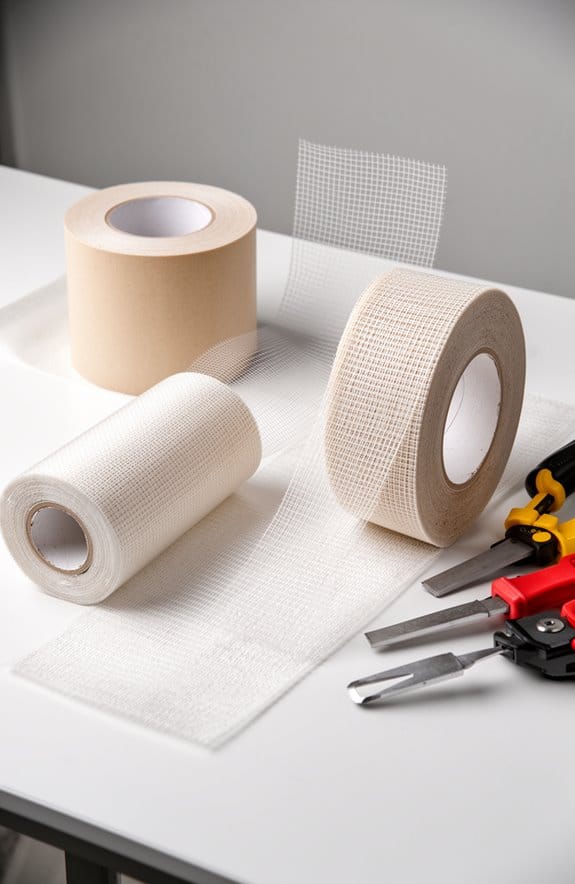

When it comes to drywall projects, choosing the right tape can feel overwhelming. So, what do you really need? Let’s break it down into some straightforward options.
First off, there’s mesh tape. This stuff is self-adhesive and works wonders in moist areas, like bathrooms or kitchens.
Then you have paper tape, which is thinner yet stronger—perfect for those of you who are comfortable with hand-taping. You might also want to consider moisture-resistant tape if humidity’s an issue in your space, or fire-resistant tape to comply with safety regulations. Each option has its own strengths.
Here’s a few other types to think about:
- Perforated tape: Great for those tricky angles.
- Ultra-thin paper tape: Gives you a seamless finish, which is a plus when you’re aiming for a flawless look.
Understanding these options is key to nailing your drywall project.
So, why does this matter? Picking the right tape not only makes your work easier but can also save you time and headaches down the line.
So, whether you’re tackling a small DIY task or a big renovation, consider your specific needs. The right tape can make all the difference.
What’s your go-to tape for drywall jobs?
Key Takeaways
- Mesh Tape: Self-adhesive and ideal for beginners; effective in moisture-prone areas and easy to apply for repairs and patches.
- Paper Tape: Thinner than mesh, adds strength and support; requires proper embedding in joint compound for a strong joint and smooth finish.
- Moisture-Resistant Tapes: Designed to prevent mold, suitable for damp areas like kitchens and bathrooms; enhances drywall integrity under high humidity.
- Fire-Resistant Tapes: Essential for compliance with building codes; provides added safety against fire hazards, often used in commercial settings.
- Perforated or Flexible Tapes: Excellent for tricky joints and corners; reduces air pockets and adapts well to high-traffic areas with odd angles.
What Is Drywall Tape and Why Is It Important?
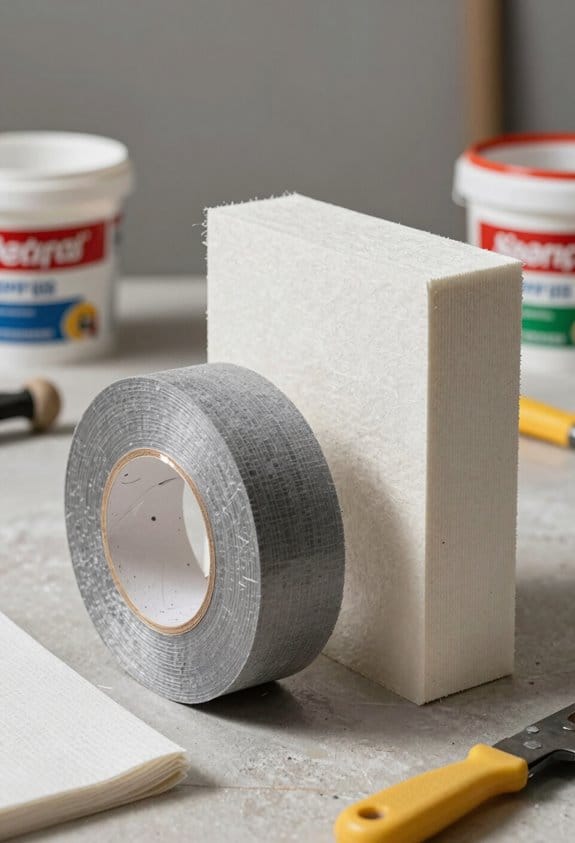
Have you ever finished installing drywall only to see those pesky seams staring back at you? Drywall tape is what you need to solve that problem. It’s essential for sealing the gaps between drywall sheets and plays a big role in making your walls strong and smooth.
When you slap some joint compound over the tape, it creates a solid, seamless look that not only enhances your room’s appearance but also cuts down the chances of cracks later on. Plus, it means you’re less likely to have to deal with repairs in the future. So, what are the upsides of using drywall tape?
- For one, it boosts the aesthetic appeal of your walls.
- It also improves durability, making your work stand the test of time.
But, not all drywall tapes are the same. Do you know the differences between them? Paper tape is a popular choice because it adds extra strength and support. On the flip side, mesh tape can be a breeze to apply, especially if you’re just starting out.
Honestly, picking the right tape is key to getting that professional finish you’re after and ensuring your drywall projects last longer. Additionally, fiberglass mesh tape offers superior strength and resistance, making it a trusted option among professionals. So, the next time you’re working on drywall, remember that choosing the right tape can make all the difference. What’s your go-to for getting that perfect finish?
The Differences Between Paper and Mesh Drywall Tape
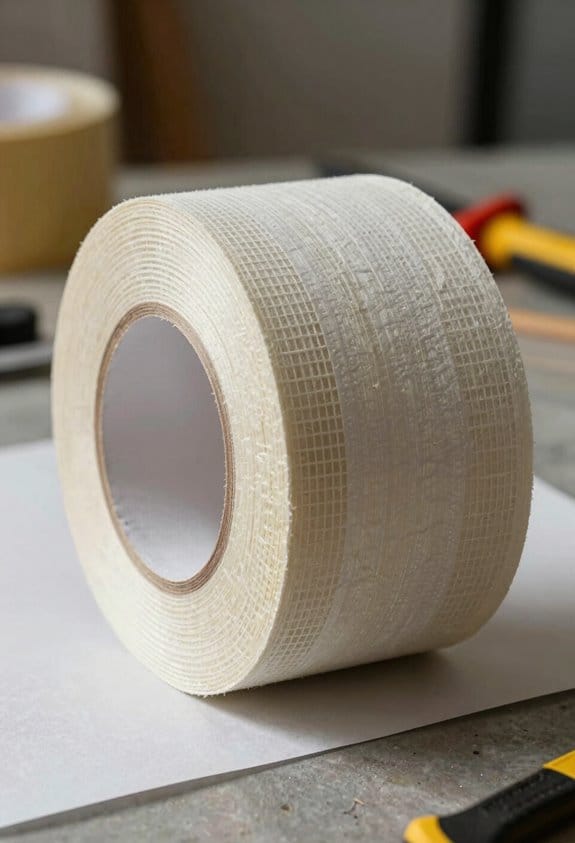
When you’re getting ready to tackle a drywall project, you might find yourself wondering whether to use paper or mesh tape. Each type has its own set of features, and knowing the differences can really make or break your project.
Paper tape is thinner, so when you embed it in joint compound (or “mud,” as we often call it), it creates a solid and durable joint. If you’re aiming for strength and longevity, this could be the way to go. On the flip side, mesh tape is self-adhesive, which makes it super convenient—especially for those just starting out. It’s great for seams that have wider gaps and can help you avoid those pesky air bubbles. Just keep in mind that you’ll need to apply a thicker first coat of the mud with mesh.
So, which one should you choose? If you’re a pro or taking on a larger job, you might lean toward paper tape, which many professionals prefer. It’s worth noting that it usually gets a thin initial coat of setting-type mud for better stickiness.
With costs in mind, paper tape generally comes in cheaper, but mesh tape might need some special tools or compounds, which could add to your expenses.
Think about what fits your project best. In the end, the right choice can lead to some smooth finishes that you’ll be proud of. What kind of project are you working on?
Additionally, using durable materials during your drywall repairs can help conceal imperfections and improve the overall finish.
Recommended Products

✅【Fiberglass Mesh Tape】Fiberglass mesh is made of high quality and high density glass fiber. Corrosion resistant, high temperature resistant, toughness
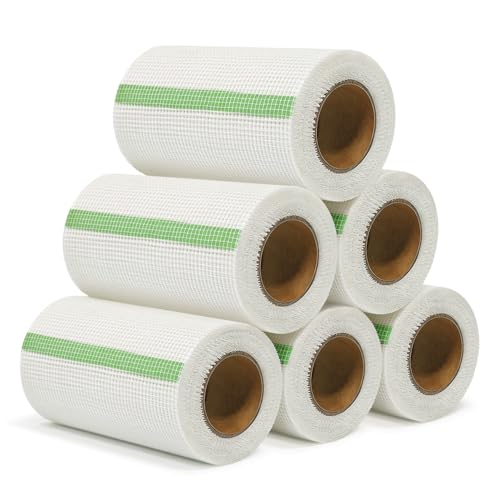
✅ STRONG FIBERGLASS MESH – Made of high-tensile fiberglass material, QILIMA drywall tape provides superior reinforcement for drywall joints, cracks, and seams. Perfect for drywall repair, sheetrock taping, and plaster reinforcement, ensuring long-lasting durability.

Ideal for off angles and outside 90 deg
How to Choose the Right Drywall Tape for Your Project
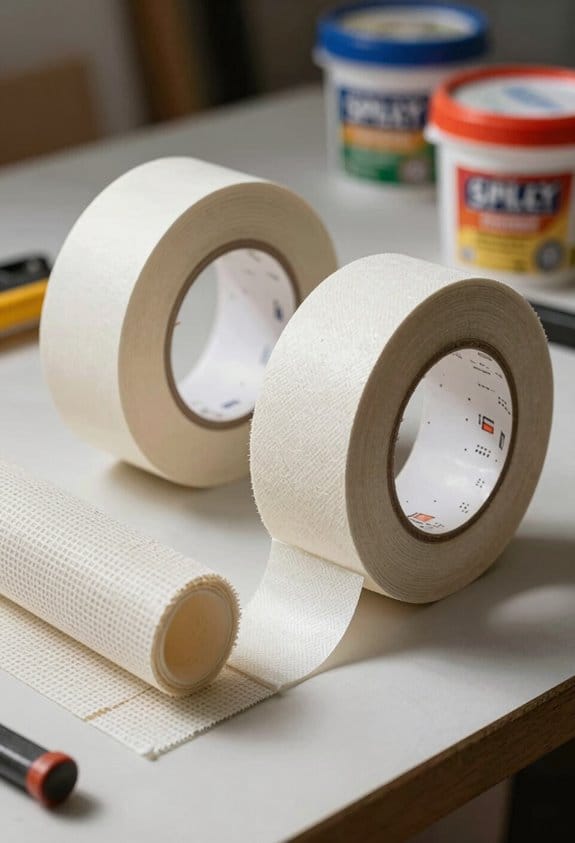
How do you know which type of drywall tape is right for your project? It really comes down to a few key factors that can make or break your experience.
First off, think about where you’re working. If you’re tackling a job in a humid area like a bathroom or basement, moisture-resistant tape is a must to keep things from falling apart over time. On the flip side, if you’re just dealing with a small repair, mesh tape might be your best friend. It’s lightweight and super easy to handle, which can save some headaches during application.
Now, let’s talk about the scale of your project. Bigger jobs usually need the added strength of paper tape. It provides a solid joint that holds up better in the long run. So, weigh that against what you’re working on. Also, your own experience plays a big role here. If you’re new to this, you might find mesh tape simpler to work with, while seasoned pros might lean towards paper for a sturdier finish.
Are you planning to use any automatic taping tools? If so, paper tape tends to pair well with those. However, if you’re going for something more straightforward like basic seams, fiberglass mat tape can make embedding less of a hassle.
And let’s not forget about costs. Paper tape usually costs less, making it an appealing option without diminishing quality. Additionally, selecting a tape with the proper material strength and durability is crucial for ensuring long-term repair success.
Top Uses for Paper Drywall Tape
Have you ever tried to tape drywall seams only to end up with air bubbles or cracks? It can be a real hassle. That’s where paper drywall tape comes in handy. It’s often the go-to choice for finishing those seams since it provides a strong joint when it’s embedded in joint compound. If you’re aiming for a smooth finish, you’ll appreciate its precreased design for those tricky inside corners.
What’s great about paper tape is its versatility; you can use it with both hand-taping and automatic taping tools. This means you can choose the method that fits you best and get the job done efficiently. Plus, it’s budget-friendly, which is perfect for larger projects where costs can add up quickly.
Want some tips? To avoid those pesky air bubbles, make sure you properly embed the tape in the joint compound. This not only strengthens the joint but also reduces the chances of cracks emerging later on. For the best results, use a ready-mixed joint compound to ensure easy application and strong adhesion with the tape.
Recommended Products


Country Of Origin: Germany

Built for 5/8" Moisture-Resistant Drywall – Perfectly sized for commercial-grade or high-moisture shower drywall applications using 5/8" board.
Benefits of Mesh Drywall Tape
Have you ever wrestled with drywall tape and found it an absolute headache? If that’s been your experience, mesh drywall tape could just be the solution you didn’t know you were looking for. Unlike traditional options, this self-adhesive tape saves you from needing a base coat of mud. That means you can get to work faster and see results sooner.
One of the standout features of mesh tape is its strong Fiberglass Mesh. It’s particularly great for those tricky joints that are prone to cracking or for seams where the drywall sheets have wider gaps. So, if you’re dealing with any of those problem areas, this tape has your back. Plus, its open design helps to reduce air bubbles during application, giving you that nice smooth finish we all want.
You might be thinking, “But is it suitable for repairs?” The answer is a resounding yes! It’s perfect for quick patch jobs, and that can honestly ease so much stress when you’re tackling home projects. Frankly, if you’ve ever faced a mold problem in high-humidity areas like kitchens and bathrooms, you’ll appreciate that mesh tape is more resistant to mold than other types.
Additionally, using mesh tape alongside durable drywall repair clips can further enhance the strength and longevity of your wall repairs.
So, why does this matter? When you’re facing a wall repair or a new project, using mesh drywall tape streamlines the whole process. You’ll likely end up with a better finish, whether you’re a DIY enthusiast or a seasoned pro. Overall, it simplifies your job while delivering impressive results.
Ready to give it a try? With mesh drywall tape, you might just find your next project going a lot smoother!
Recommended Products

12-PACK CASE - Individually packaged in case box with a Plastic Knife in each pack

STRONG FIBERGLASS CONSTRUCTION: Durable fiberglass mesh tape provides reliable joint reinforcement for drywall seams and repairs. Ideal for long-lasting wall patching and spackle applications.

Material: Fiberglass mesh is made of platinum fiberglass woven as the base material and soaked and coated with polymer. (please note that this product is not self-adhesive).
Understanding Specialty Drywall Tapes and Their Applications
Ever started a drywall project only to get stuck on which tape to use? It can be a bit overwhelming given the choices out there. Specialty drywall tapes can make or break your project and, trust me, picking the right one is key.
First off, mesh tapes are your best buddy for DIY projects. They come with an adhesive backing, making them super easy to stick on surfaces. No need to fuss around with complicated methods—just peel and place! If you’re working in moisture-prone areas like kitchens or bathrooms, don’t forget to grab mold-resistant tape. It’s designed to keep mold at bay, which is crucial when humidity levels rise.
Now, if the space you’re working on is likely to get damp, moisture-resistant tape is a solid choice. It helps thwart mildew from creeping in and ruining your hard work. And then there’s fire-resistant tape, which isn’t just a fancy option. It’s often necessary to meet local building codes, so check those regulations before you settle on your tape.
Feeling like your project has some weird angles or frequently traveled areas? That’s where perforated or flexible tapes come into play. They’re fantastic for those tricky joints and corners, allowing you to reinforce without a hassle.
For a truly professional finish, many pros prefer using ultra-thin paper drywall tapes that offer high tensile strength and air permeability to prevent bubbles and cracks during drywall installation.
Recommended Products

The ORIGINAL Containment and Dust Barrier Tape designed for use in preventing the spread of dust and harmful particles, including lead paint dust, asbestos and mold
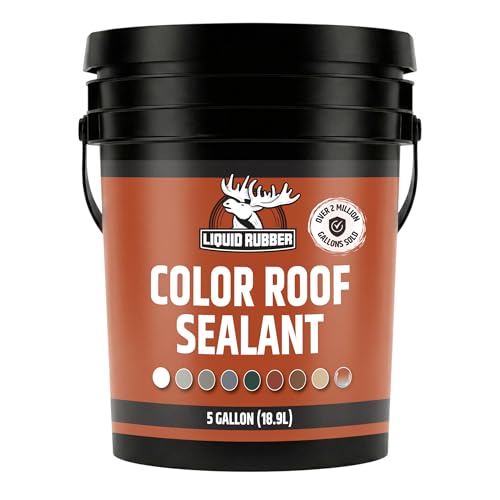
WATERPROOF ELASTOMERIC ROOF SEALANT: Liquid Rubber Color Roof Sealant is a liquid rubber waterproof coating designed for flat roofs, low-slope roofs, and metal roofs. Forms a seamless, flexible membrane that helps stop roof leaks and water intrusion while protecting the roof for years to come

Pack of 10 - Adfors FibaFuse Paperless Drywall Joint Tape 2-1/16 in. x 500 ft. White
How to Get a Smooth Finish When Applying Drywall Tape
Achieving a smooth finish with drywall tape can feel like a daunting task, but it’s totally doable with a few handy tips. Have you ever looked at a freshly finished wall and noticed those pesky seams? Getting rid of those unsightly lines is what we’re after, and it starts with a thin layer of joint compound.
Here’s the trick: Grab a 6-inch taping knife and apply the compound evenly across the joints. Don’t rush this part. Press the tape firmly into the mud while working out any air bubbles. If you’re using paper tape, make sure it’s completely saturated with compound before you embed it. That adds strength and helps it stick best. With mesh tape, you’ll want to lay down a thicker first coat of compound right after placing the tape—to give it some stability.
Now, once it’s in place, feather the edges of the mud outward. Why is this crucial? Feathering helps create a smooth transition so those seam lines practically disappear. Seriously, this technique is key for a professional finish.
In the end, take your time, and don’t rush through this project—it’ll pay off. To ensure the tape adheres well and prevents cracks, consider using high-quality fiberglass mesh tape known for its flexibility and durability. So, are you ready to tackle your drywall finish with confidence? With these tips in hand, you’re on your way to that polished look you want in no time!
Trouble Areas: When to Use Joint Compound With Tape?
When tackling drywall projects, you might wonder when exactly to use joint compound with tape. It’s a crucial step that can really affect how smooth and polished your finish turns out. Joint compound is a must for embedding both mesh and paper tape, as it helps prevent pesky air bubbles that can lead to weaknesses and cracks down the line.
When you’re dealing with mesh drywall tape, make sure to lay down a good layer of joint compound underneath. Truth is, you should aim for about 1/8 inch of compound for solid support. Once you’ve got the tape in place, give it time to dry. After that, you can add more coats of joint compound to achieve that flat, seamless look we all aim for. Just remember to let each layer dry completely before moving on to the next—this ensures you end up with a sturdy final product. For improved adhesion and durability, you can also consider using a primer adhesion promoter before applying the joint compound.
Best Practices for Maintaining Your Drywall
Have you ever noticed cracks or stains creeping up on your drywall? It’s a common problem that can sneak up on any homeowner. Keeping your drywall looking its best doesn’t have to be a burden, though! A few simple practices can make all the difference.
Start by regularly checking for issues like cracks, water stains, or any signs of damage. Just a quick glance here and there can help catch problems before they get worse. It’s also crucial to maintain your indoor humidity between 30% and 50%. This sweet spot can prevent warping and mold growth. You can easily manage humidity levels with a dehumidifier or a humidifier, depending on your space.
When it comes to moisture-prone areas, like the kitchen or bathroom, go for mold-resistant paint or sealants. It’s an easy way to add an extra layer of protection. Truth is, a little effort now can save you from bigger headaches down the road.
Cleaning drywall might seem straightforward, but it’s worth being careful. Use a soft, dry cloth to avoid scratching or damaging the surface. And let’s not forget those high-traffic areas; reinforcing them with corner bead or protective coverings can really minimize wear and tear.
Finally, consider applying an extra layer of joint compound where it’s needed. This can help boost durability and extend the life of your drywall. Using Saint-Gobain ADFORS FibaTape for repairs can also improve joint strength and reduce the chance of cracking.
Frequently Asked Questions
What Type of Drywall Tape Should I Use?
For our drywall tape applications, we should choose based on project needs. Whether it’s self-adhesive mesh, paper, or fiberglass, considering tape installation techniques and environmental conditions helps us select the right drywall tape effectively.
What Are the Three Types of Reinforcing Tape for Drywall Use?
Alright, fellow DIY warriors! The three drywall tape types we can choose from are paper tape, mesh tape, and fiberglass mat tape. Using these will enhance our drywall installation techniques and improve our drywall repair tips!
Which Joint Tape Gives the Strongest Joint?
When it comes to the strongest joint, we believe paper tape excels. While fiberglass tape has advantages for certain situations, and mesh tape’s great for beginners, paper tape creates the most durable seams for high-stress areas.
What Is the Difference Between Yellow and White Drywall Tape?
Yellow tape benefits faster application and stronger seams, perfect for movement-prone joints. In contrast, white tape advantages include flexibility and ease for intricate areas. Our choice boils down to color application techniques suited for our project’s needs.


