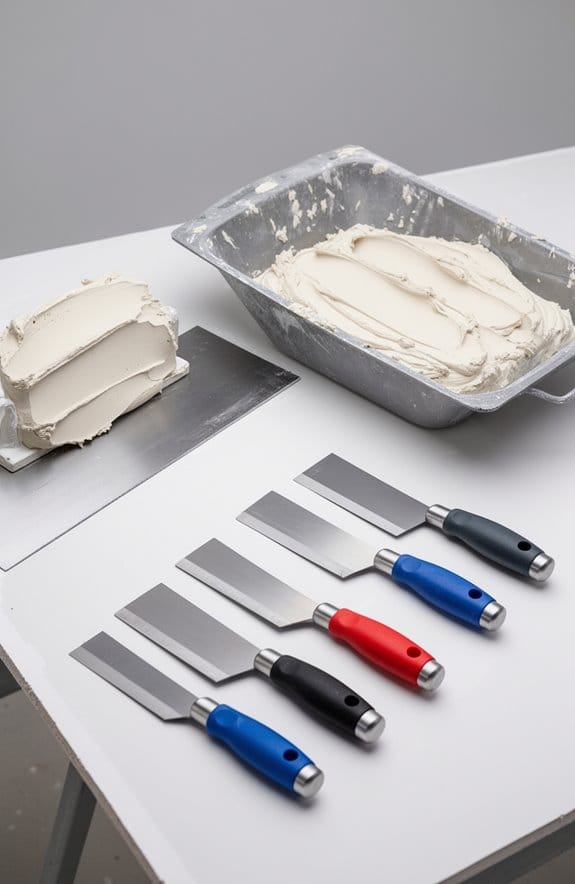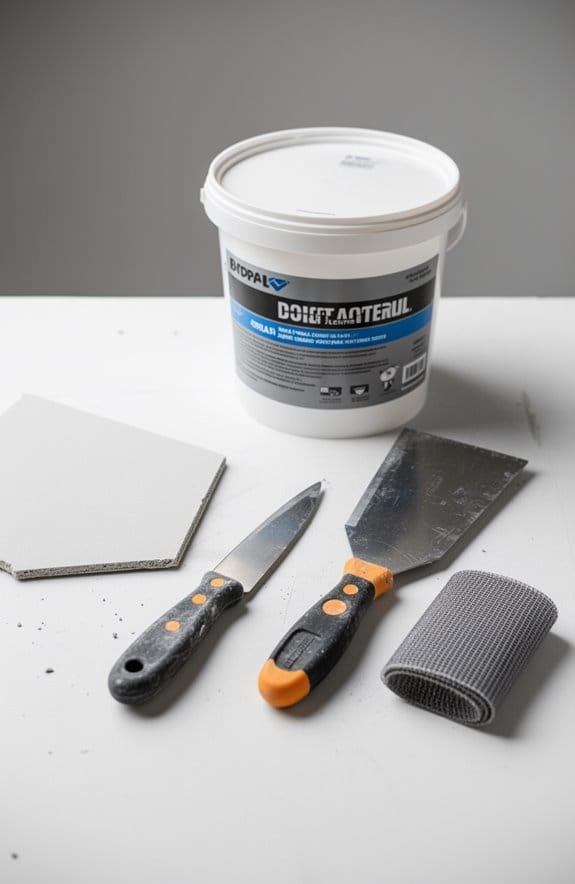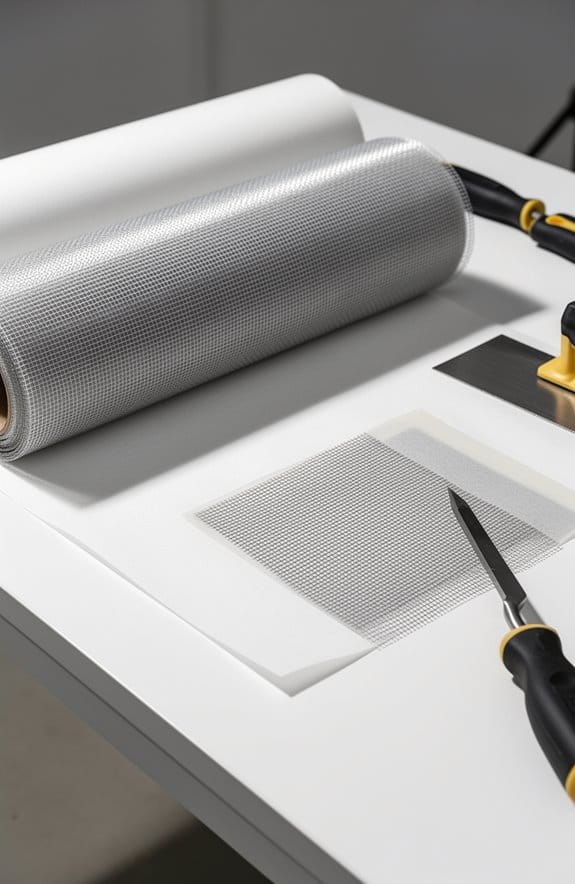

Got a pesky hole in your drywall, and not sure how to fix it? Self-adhesive mesh patches might just be the answer you’re looking for. These handy little tools are made from fiberglass mesh and are perfect for repairing small to medium-sized holes, typically ranging from 2 to 6 inches in diameter.
Here’s the trick: First, clean the damaged area thoroughly. Dust and debris can prevent the patch from sticking well. Once it’s nice and clean, peel off the backing and press the patch over the hole. Make sure it adheres completely; a good bond is crucial for a successful repair.
Now comes the fun part. Grab a 4-inch putty knife and apply spackling compound over the patch. You’ll want to use a crisscross pattern for that smooth finish. Don’t rush this step; take your time to spread it out evenly.
The best part is that this technique not only covers the patch but also helps blend it into the surrounding wall.
So, why does this matter? Well, once you’ve applied the compound, let it dry completely before sanding it down for a flush finish. If needed, you can paint over the area to match the rest of your wall.
Next time you find yourself facing a drywall repair, give self-adhesive mesh patches a shot. They’re simple, effective, and definitely worth keeping in your DIY toolkit. Have you tried these patches before?
Key Takeaways
- Self-adhesive mesh patches are fiberglass mesh designed for easy drywall repair without additional adhesives.
- They come in various sizes (2 to 6 inches) to accommodate different hole sizes.
- The patches bond with joint compound, reducing the chances of future cracking.
- Ideal for small to medium holes, they are suitable for moisture-prone areas and resistant to mold.
- Application involves cleaning the area, pressing the patch on, and filling it with spackling compound for a smooth finish.
What Are Self-Adhesive Mesh Patches?

Have you ever stared at a hole in your wall and wished there was an easy way to fix it? Self-adhesive mesh patches are fantastic little helpers for repairing drywall that can make your life a lot easier. These patches are made from fiberglass mesh and stick directly to the wall without the need for messy extra adhesives. If you’ve got small holes or cracks, these patches are your best friend.
One of the great things about self-adhesive mesh patches is that they come in various sizes, usually ranging between 2 inches and 6 inches. So, whether you’re dealing with tiny nail holes or a bigger crack, there’s likely a patch that will fit perfectly. When you stick them on, the mesh design lets the joint compound seep through, creating a solid bond. This can significantly reduce the chances of cracks popping up again later on.
Try this: after applying the patch, smooth the joint compound over it. The best part is that it really cuts down on drying times, which means you won’t have to wait around forever to finish your project. So, why does this matter? If you do it right, your repairs will not only look more polished but also stand the test of time.
Honestly, using self-adhesive mesh patches simplifies the whole repair process. It’s all about making things easy and effective. The strong adhesive strength ensures that patches stay firmly in place, providing long-lasting durability. Next time you tackle a repair job, give them a shot. You might find they’ve saved you more time than you expected. What’s been your biggest struggle with home repairs?
Why Should You Use Self-Adhesive Mesh Patches?
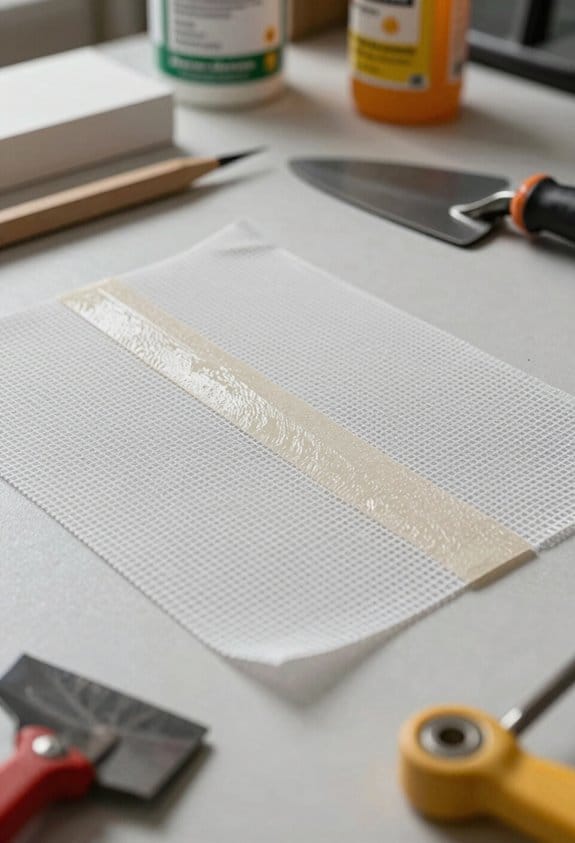
Repairing drywall can feel like a daunting task, but it doesn’t have to be. If you’ve ever tried patching a hole or crack, you know how tricky it can be. That’s where self-adhesive mesh patches come in. These little helpers provide the support you need to get the job done right. They stick right onto the damaged area, cutting out the extra steps of applying other adhesives.
One of the best parts is the material itself. Mesh patches are made from durable fiberglass, which makes them a solid option for humid spots like bathrooms where other repairs might struggle. You’ll appreciate how quickly these patches can simplify your repairs. They require minimal prep work and reduce the need for slathering on multiple layers of joint compound.
So, why does this matter? When you’re in the middle of a project and just want to see results, these patches help create a smooth surface that’s ready for sanding once the compound dries. Just apply the patch, throw on your compound, and you’re one step closer to a flawless finish. Many repair kits use high-quality aluminum mesh for durability and long-lasting repairs, making them an excellent choice for maintaining wall integrity.
Next time you tackle a drywall repair, think about giving self-adhesive mesh patches a try. They might just make your life a whole lot easier. Happy fixing!
Recommended Products

SELF ADHESIVE: Simply peel and stick over the repair area

Repair Your Walls: This drywall repair kit is made of fiberglass self - adhesive mesh and aluminum plate, working well with compound and paint, which is lightweight and durable, easy to stick, and has good adhesion. It is insulation, anti - corrosion, and moisture - proof, and can keep for a long time. Don't worry about falling off

Non-Adhesive: This Dry wall mesh is non-Adhesive.
How Do Self-Adhesive Mesh Patches Work?

Have you ever faced that frustrating moment when you notice a crack or hole in your drywall? It happens to the best of us. That’s where self-adhesive mesh patches come in handy. These patches are made from woven fiberglass material, which creates a solid bond with the surface of your drywall.
They’re super straightforward to use. You just peel off the backing and stick the patch right over the damaged area. It’s that simple! The mesh offers solid reinforcement, so it helps prevent any further cracking down the line.
Once the patch is firmly in place, you can cover it with spackling compound. Here’s the trick: use a 4-inch putty knife to fill the mesh and blend it with the wall. This will ensure a smooth finish that won’t stand out.
Honestly, once you get the hang of it, repairing drywall can become a less daunting task. So, next time you spot a crack, you might just want to give these self-adhesive mesh patches a try. You’ll save time and energy! What are you waiting for?
For the best results, consider following the recommended drying period of 24 hours between coats of compound to achieve a smooth finish.
Benefits of Self-Adhesive Mesh Patches
Have you ever faced a drywall disaster, like a pesky hole or crack? It can feel overwhelming, but here’s a solid tip: self-adhesive mesh patches might just be your best friend for quick fixes around the house.
Why choose these patches? Well, they make drywall repairs super simple. You don’t need to worry about messy adhesives or waiting for them to dry. Just peel off the backing and press the patch right over the damage. They’re perfect for dealing with imperfections that are up to 3 inches wide, so common issues are no problem. Plus, the mesh material creates a strong bond with spackling or joint compounds, ensuring a lasting fix.
Once you’ve smoothed over the patch, it blends in nicely with the wall. This means you won’t be left with unsightly spots once you’re done. The best part is you can sand and paint almost immediately! This little trick can really speed things up if you’re on a tight timeline.
So, why does this matter? Well, if you’re tackling home repairs yourself, the last thing you want is to spend hours on something that should be quick and painless. Honestly, using self-adhesive mesh patches makes your DIY projects not only easier but also less stressful.
Additionally, for larger or more severe damage, incorporating drywall repair clips can provide sturdy support and enhance repair durability.
To recap, these patches offer a hassle-free solution for those annoying drywall repairs, allowing for quick application and a clean finish. Have you ever tried using these patches before? If not, you might just want to give them a shot next time you have a minor wall mishap!
When Should You Use Self-Adhesive Mesh Patches?
Have you ever stared at a hole in your drywall and thought, “How am I going to fix this?” Those little mishaps can really throw off the vibe in your home. When it comes to dealing with minor damages, self-adhesive mesh patches are a solid choice that makes repairs a lot easier.
These patches shine when you’re handling small to medium-sized holes, usually up to about 6 inches wide. You can just lay them right over the damaged section without wrestling with extra adhesives. Here’s the trick: their strong and flexible design helps the joint compound stick well, which means you’re less likely to see cracks popping up again. I find that kind of peace of mind comforting, don’t you? Plus, they’re excellent in areas vulnerable to moisture, like bathrooms and kitchens, because they’re resistant to mold.
Don’t forget, using these patches can speed up the repair process significantly. Once that joint compound dries, it’s smooth sailing for painting. If you want a hassle-free fix, this is definitely something to consider. For best results, ensure proper surface preparation before application to maximize adhesion and durability.
How to Easily Apply Self-Adhesive Mesh Patches
Have you ever looked at a hole in your drywall and thought, “This is going to be a hassle?” Trust me, repairing drywall doesn’t have to be as daunting as it seems. Using self-adhesive mesh patches really takes the stress out of the job.
Start by cleaning the area around the hole really well. A dirty surface can ruin the whole process, so take a minute to make sure it’s nice and clean. After that, peel off the backing of the mesh patch and press it firmly over the hole. It’s important to ensure that it sticks fully—every edge should adhere to the wall.
Next comes the fun part. Grab a drywall knife and cover that patch with a layer of spackling compound. Here’s the trick: apply it in a crisscross pattern. This helps make sure the compound spreads evenly. Let it dry completely—usually about 24 hours, but always check the manufacturer’s instructions. While you’re waiting, you might want to think about how nice it’ll feel to look at that wall without seeing a hole!
Once it’s dried, take a moment to sand it down until it’s smooth. You want it to blend in with the surrounding area as much as possible. Trust me, no one wants to stop and look at a patch that stands out!
Now, for that final touch, don’t skip priming the patched area. This step is crucial because it helps the paint stick better and ensures that your new coat matches the rest of your wall perfectly.
To ensure the best results, consider using a lightweight spackling compound known for its fast drying and smooth finish.
Wrapping it all up, applying self-adhesive mesh patches makes drywall repair straightforward. So the next time you find a hole, will you give this method a shot?
Recommended Products

High strength and strong adhesive with resin.

Material: Fiberglass mesh is made of platinum fiberglass woven as the base material and soaked and coated with polymer. (please note that this product is not self-adhesive).

✅【Fiberglass Mesh Tape】Fiberglass mesh is made of high quality and high density glass fiber. Corrosion resistant, high temperature resistant, toughness
Top 5 Mistakes to Avoid When Using Self-Adhesive Mesh Patches
Fixing drywall with self-adhesive mesh patches sounds easy, right? But if you’ve ever tried it, you know there’s a bit more to it than just slapping on a patch and calling it a day. One of the biggest mistakes folks make is skipping the cleaning step. Seriously, if the surface isn’t prepped, your patch won’t stick properly and you could be setting yourself up for a hassle later on. Always clean the area before you start, and make sure it’s dry!
Another common pitfall is skimping on the spackling compound. It’s tempting to think a little will do the trick, but you really need to cover the patch fully for that nice, even finish. Don’t forget to feather the edges; otherwise, you’ll end up with a patch that’s noticeable instead of blending into the wall like it should.
And here’s the thing—if you’re working in a damp area, skip the patch entirely. Moisture weakens the adhesive, and your hard work could be wasted in no time. Frankly, it’s not worth the risk if you’re aiming for a long-lasting repair.
Another tip is to be patient and allow enough drying time before you start sanding or painting. It might be tempting to rush, especially if you’re eager to see the finished product, but waiting about 24 hours can make all the difference.
To ensure durability, it’s also crucial to choose patches with strong adhesive properties suited for the surface you’re repairing.
Choosing the Right Patch Size
How can you make sure your drywall repair looks perfect? The trick lies in choosing the right patch size. Self-adhesive mesh patches come in sizes ranging from 2 to 8 inches, so picking one that goes at least 1 inch beyond the hole’s edges is crucial for a solid repair. If you’re dealing with minor holes or dents, patches of about 2 to 4 inches usually do the job. But for those bigger issues, you’ll want to reach for patches measuring between 6 to 8 inches.
Getting the measurement just right is key to cutting down on waste and ensuring everything blends seamlessly. Make sure to double-check that the patch size matches the thickness of your drywall, which is typically 1/2 inch. This attention to detail really does make all the difference in how your repairs turn out.
A drywall access panel can sometimes be involved in repairs or upgrades, so understanding sizes and installation methods helps when planning patches or access points.
So, why does this matter? A good patch ensures a smoother finish when you paint over it later. Plus, nobody wants to go through the hassle of doing a repair twice just because the patch didn’t fit right the first time.
To wrap it all up, take the time to choose the right patch size for your drywall repair. You’ll thank yourself later when you see that flawless finish. Got any tips you swear by for drywall fixes? I’d love to hear them!
Recommended Products

STRONG FIBERGLASS CONSTRUCTION: Durable fiberglass mesh tape provides reliable joint reinforcement for drywall seams and repairs. Ideal for long-lasting wall patching and spackle applications.
Repair Your Walls: This drywall repair kit is made of fiberglass self - adhesive mesh and aluminum plate, working well with compound and paint, which is lightweight and durable, easy to stick, and has good adhesion. It is insulation, anti - corrosion, and moisture - proof, and can keep for a long time. Don't worry about falling off
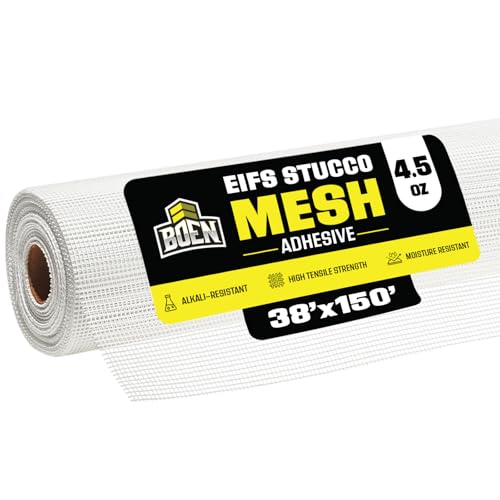
Self-Adhesive: This Dry wall mesh is self-Adhesive and this is its distinctive feature. It goes on your wall like tape and thus it is easier to apply and it looks very neat too.
Troubleshooting Common Issues With Self-Adhesive Mesh Patches
Have you ever tackled a drywall repair only to be faced with frustrating hiccups? While self-adhesive mesh patches can be great for fixing holes, there are some common pitfalls that can mess up your hard work.
First off, poor adhesion can be a real dealbreaker. This usually happens when the surface isn’t prepped correctly. Before you slap that patch on, make sure to clean the area around the hole. Dust and debris can really hinder the patch from sticking well.
Another key point is how you apply joint compound. If you don’t cover the patch thoroughly, you could end up with cracking or an uneven surface. It’s a good idea to apply at least 1/8 inch of joint compound for solid reinforcement. When you take the time to prep right, these mesh patches will fit snugly in place, effectively reinforcing those small to medium-sized holes.
So, why does this matter? A smooth, lasting finish will not only look better but will also help prevent future issues. When you know about these common challenges, you can tackle your drywall repairs with confidence.
Additionally, using a fast-drying compound can help you complete your repairs quicker and avoid extended downtime.
Make sure to keep these tips in mind for your next project. Have you encountered any unexpected problems while repairing drywall?
Using Self-Adhesive Mesh Patches on Various Surfaces
Got a wall or ceiling that’s seen better days? Self-adhesive mesh patches can be just what you need for a quick fix when you’re in a pinch. They’re especially handy for drywall repairs because they stick right to the surface without needing any extra adhesives.
To get started, cut your mesh patch to size—about 4×4 inches usually does the trick for smaller holes. Then, press it firmly over any imperfections. Here’s the trick: once it’s in place, grab a 6-inch taping knife and spread joint compound over the patch. Smooth it out as you go for that nice, clean finish we all want.
These patches aren’t just for walls—they work on ceilings too, which makes them super versatile for a bunch of DIY projects. And the best part is, they help you skip those time-consuming traditional taping methods and still give you a solid, durable repair. So, why does this matter? Because with self-adhesive mesh patches, tackling repairs becomes a lot simpler.
Many kits also include putty knives and sandpaper, essential for smoothing and finishing the repair surface.
If you’re looking to save some time and effort, give these a try next time you have a repair on your hands. You might just find they’re exactly what you needed.
Frequently Asked Questions
What Is a Self-Adhesive Mesh Patch?
A self-adhesive mesh patch’s all about repair efficiency. Its adhesive longevity guarantees durability, while mesh patch applications offer self-adhesive benefits, making our DIY projects quicker and easier for fixing holes and cracks in drywall.
How to Use Self-Adhesive Mesh Tape?
To effectively use self-adhesive mesh tape, we’ll cut it to size, apply it firmly over the repair surface, and use proper application techniques to guarantee patch durability—perfect for drywall repair projects like fixing seams or cracks.
How to Use a Self-Adhesive Repair Patch?
Like a painter facing a blank canvas, we’ll prepare our surface carefully. We’ll adhere the patch, ensuring durability, avoid common mistakes, and finish with spackling. Remember, application tips lead to a smoother, seamless result!
What Are the Cons of Mesh Tape?
Mesh tape limitations include adhesive durability and installation challenges we face. We’ve noticed that application techniques are essential, as improper use can lead to visible seams and cracks, diminishing the overall repair quality we aim for.