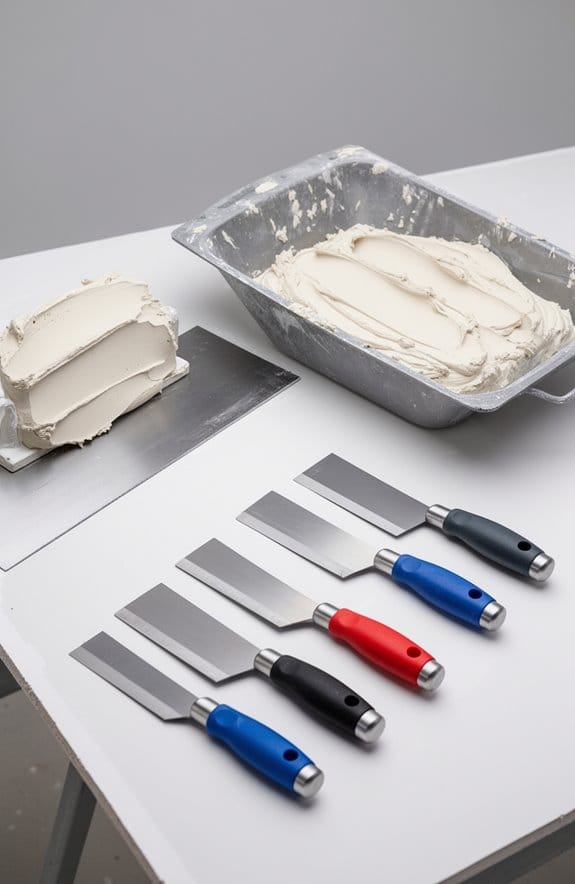
When it comes to dealing with damaged drywall, you might be wondering whether to patch it up or just go for a full replacement. This decision isn’t always straightforward, so let’s break it down.
If you’ve got small holes or cracks that are under 6 inches, patching is usually the way to go. Using mesh tape and some joint compound can make those imperfections disappear pretty easily.
However, if the damage is larger than 6 inches, or if you notice sagging or any signs of mold, it’s likely time to replace the drywall altogether. No one wants to deal with mold, right?
Patching is often more budget-friendly, too. Typically, you’re looking at around $100 to $300 for repairs, while a full replacement could run you up to $1,500, depending on the size and scope of the project.
So, what’s the best option for your situation? That’s what you need to think about.
Really assessing the damage can save you a lot of hassle in the long run. Ask yourself: Is it just a small hole, or is the entire area compromised? Tackling it early on can prevent more extensive repairs down the line.
To wrap it up, knowing when to patch and when to replace can make a big difference in both your budget and the longevity of your repairs.
So next time you spot a blemish on your walls, take a moment to evaluate it properly. What will you choose to do?
Key Takeaways
- Assess Damage Size: Patch minor issues like small holes and cracks; replace drywall for holes larger than 6 inches or when sagging occurs.
- Check for Mold: Replace drywall if black mold or mildew is present, as it poses health risks and indicates deeper problems.
- Evaluate Structural Integrity: Patching is suitable for stable water stains; replace if drywall is crumbly or cannot hold nails.
- Consider Repair Costs: Regular patching can become expensive; multiple minor repairs might make full replacement more cost-effective in the long run.
- Monitor Moisture Issues: Implement preventative measures against moisture to prolong drywall lifespan and reduce future repair costs.
What Kind of Drywall Damage Are You Dealing With?
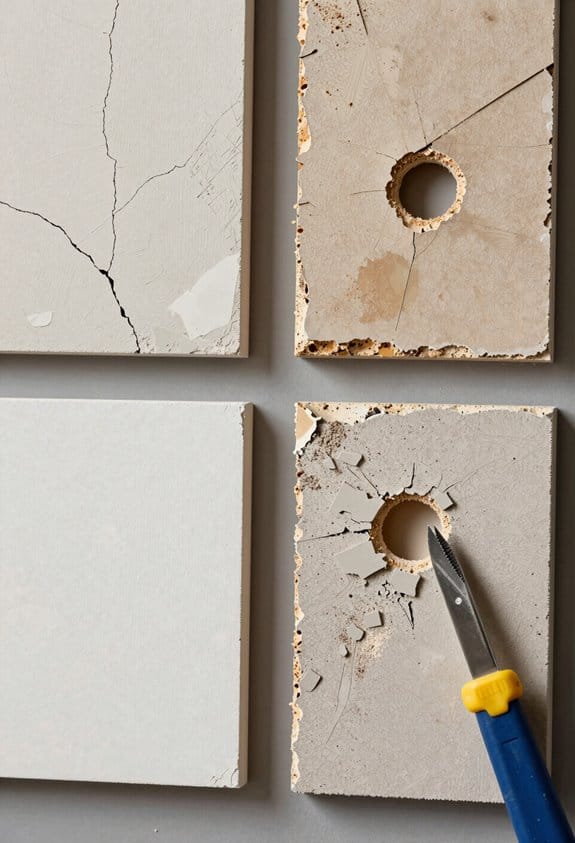
When it comes to drywall, figuring out the type of damage can feel a bit overwhelming, right? But once you break it down, it’s easier than it seems. Start by looking for minor issues like small nail holes or tiny cracks. These little annoyances usually just need a simple touch-up with spackle or joint compound.
If you’ve got more noticeable damage, like holes that come from doorknobs and measure between ½ to 6 inches wide, you’re in the moderate damage territory. This is where things get a bit trickier, as you’ll need to patch them using mesh and layer on the joint compound with care.
Now, if you’re staring at holes bigger than 6 inches or even worse, signs of mold, it’s time to consider full drywall replacement. Honestly, there’s no point in trying to patch up extensive damage when it can lead to bigger headaches down the line.
And let’s not forget about moisture! If you spot water stains, that’s a red flag. It’s crucial to address those moisture sources, because ignoring them can invite more problems later. So, why does this matter? Knowing the type and extent of drywall damage lets you choose the right repair path, making your life a lot easier. Using a waterproof compound can help ensure repairs last and resist future damage from moisture.
In short, whether it’s a small crack or a big hole, knowing what you’re dealing with is the key to successful repairs. What kind of drywall damage are you facing right now?
Recommended Products

Repair Your Walls: This drywall repair kit is made of fiberglass self - adhesive mesh and aluminum plate, working well with compound and paint, which is lightweight and durable, easy to stick, and has good adhesion. It is insulation, anti - corrosion, and moisture - proof, and can keep for a long time. Don't worry about falling off

ALUMINUM PERFORATED PATCH: Durable 6 x 6 in. aluminum patch designed for easy wall and ceiling repairs. Ideal for covering wall holes and reinforcing damaged surfaces in your home.
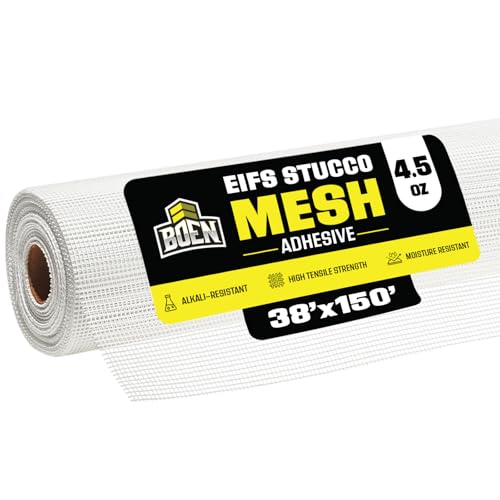
Self-Adhesive: This Dry wall mesh is self-Adhesive and this is its distinctive feature. It goes on your wall like tape and thus it is easier to apply and it looks very neat too.
How to Determine the Root Cause of Drywall Damage?
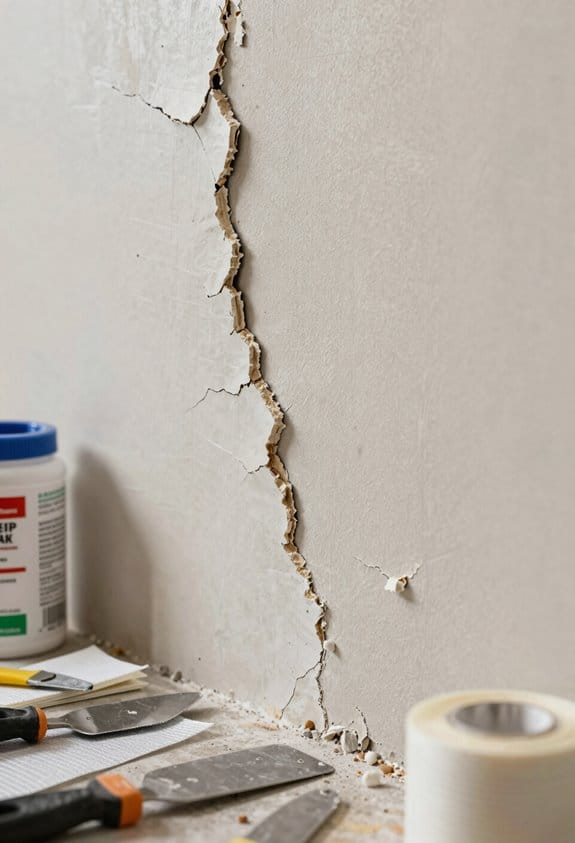
Have you ever noticed unsightly cracks or water stains on your drywall and wondered what’s causing it? Finding the root cause of drywall damage can feel like a bit of a mystery, but it’s essential to get to the bottom of it before tackling any repairs.
Start by zeroing in on moisture sources. Water leaks from pipes or roofs are often sneaky culprits that can lead to significant problems down the line. While you’re at it, pay attention to any patterns of recurring damage—if you’re seeing multiple cracks or stains in the same area, that’s a clue that something deeper is going on.
Don’t forget to check for soft spots or sagging areas in your drywall. If you press on it and it feels mushy, there could be hidden moisture or extensive damage that needs addressing. And let’s be real—environmental factors like humidity can really complicate things and worsen drywall woes over time.
At some point, you might need to call in the pros. An expert can help uncover underlying issues that are not visible to the naked eye, which could save you headaches down the road. So, what’s the takeaway here? Understanding these details will guide your repair decisions—whether it’s time to patch things up or consider replacing sections of your drywall.
The key is to stay ahead of these problems before they escalate. Proper repair also involves choosing moisture-resistant drywall to avoid future damage. Have you encountered drywall issues before? What steps did you take to fix them?
When Is Patching the Right Choice for Drywall Damage?
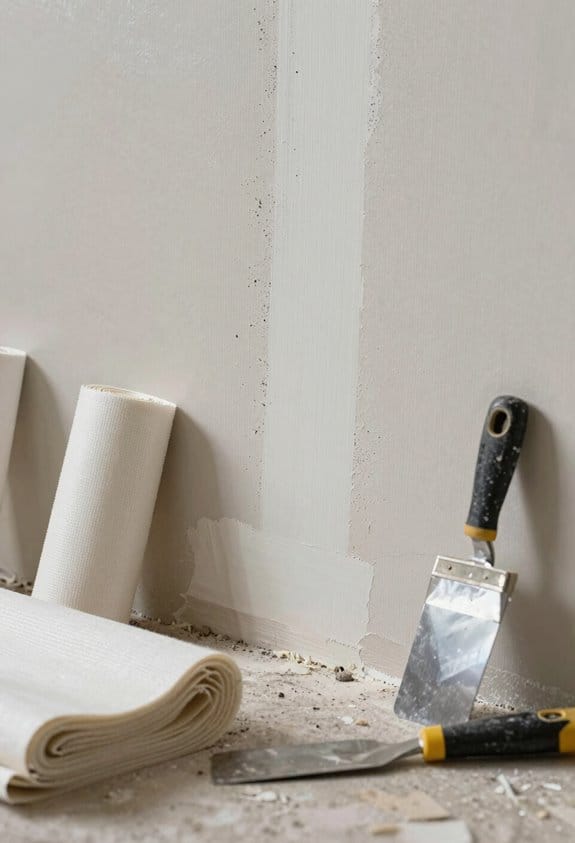
Have you ever looked at a wall and cringed at the small dents, nail holes, or cracks? Trust me, repairing drywall doesn’t always call for a full-on replacement. For those minor issues, patching is your friend. It’s a practical choice for fixing up those little imperfections that can pop up over time.
For example, if you’re dealing with nail holes or those pesky hairline cracks, patching compounds can work wonders. Just fill them in, sand the surface smooth, and you’re good to go. And what about those stable water stains? As long as the structure isn’t compromised, you can still use patching as a solid option.
So, here’s the trick: for holes up to about 6 inches wide, quick patching techniques are your best bet. Use mesh tape and compound to ensure a seamless finish. Not only are these methods cost-effective, ranging from $100 to $300, but they also save time compared to a full drywall replacement. Keeping your walls in good shape is easier than you might think!
Additionally, some kits feature fast-drying formulations that allow you to paint over repairs within minutes, speeding up your project completion.
In a nutshell, dealing with small damages through patching is an efficient way to maintain your space. It’s about keeping your home looking fresh without breaking the bank. Have you tried patching your drywall before? What’s been your best fix?
Recommended Products

DRYWALL KNIFE SET: Drywall taping knife set includes 6 pcs putty knife (1",2",3",4",5",6"), 4 pcs taping knives (8",10",12",14"), 1 pc multifunctional painter scraper, 1 pc 14" mud pan, 1 pc 11" flat finishing trowel, 1 pc 6.7" scoop, external & internal corner trowel, 12" aluminum hawk and 16" carry bag, the combination of products with different uses makes their applications more extensive and can meet the needs of most home decoration projects

FRAME YOUR STYLE: The Can Converter R56 model is a practical decorative home improvement upgrade that allows you to transform your existing 5" or 6" recessed can lights into a secure mounting point for stylish and functional hanging pendant lights.

FRAME YOUR STYLE: The Can Converter R56 model is a practical decorative home improvement upgrade that allows you to transform your existing 5" or 6" recessed can lights into a secure mounting point for stylish and functional hanging pendant lights.
Signs You Need to Replace Your Drywall
Sometimes, we can be pretty oblivious when it comes to signs our drywall needs replacing. Have you ever noticed those large holes—like, six inches or more? If you’ve got drywall that’s sagging, crumbling, or even worse, showing signs of water damage, it might be time to wave goodbye to it. And if you see any black mold or mildew creeping in, that’s a serious red flag. You need to act fast; health risks aren’t something to ignore.
Widespread soft spots and dampness are usually signs of bigger issues hiding out. If paint is peeling off, or you keep spotting water stains after fresh coats, there could be deeper problems lurking behind the surface that a simple patch won’t fix.
Here’s the trick: if your drywall can’t hold nails or just feels too flimsy to deal with everyday bumps, it’s time for a change. You want your home to be safe and functional, so don’t shortchange yourself on this one.
For effective remediation, using mold control products that eliminate and prevent mold is crucial to avoid recurring damage.
Recommended Products
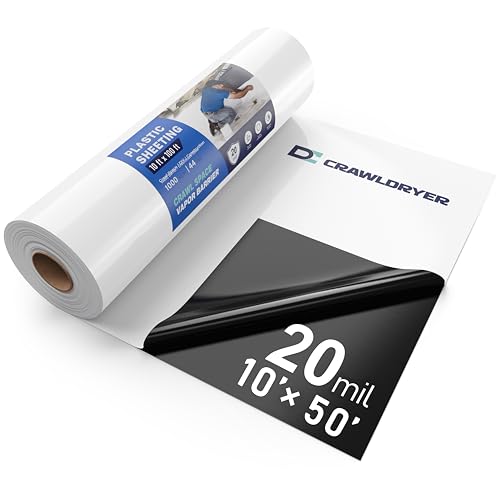
Crawl Space Vapor Barrier: Our 20 Mil polyethylene crawl space vapor barrier is designed for maximum durability and tear resistance. This thick, robust film is perfect for a wide range of applications, including as a concrete vapor barrier, general moisture barrier, or to protect sensitive areas from water damage. With a substantial 14 mil thickness, it offers superior insulation and protection against humidity. Dimensions: 10' x 50'.

Crawl Space Vapor Barriers - 10 Mil thick heavy duty durable plastic sheeting engineered from high density polyethylene. Thickness: 10Mil, Width:10ft, Length: 100ft. covering 1000 sq.ft. Our rolls of Black and White Panda Film plastic sheeting are strong and durable, they will not tear or rip easily. Useful as your crawl space encapsulation material, painter's tarp, vapor barrier, or anything you want to cover and protect.
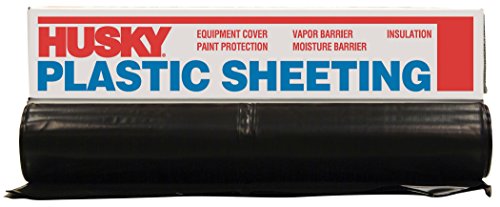
10' X 100' 4 MIL BLACK PLASTIC SHEETING
Comparing Costs: Patching vs. Full Drywall Replacement
Deciding whether to patch drywall or go for a full replacement can be pretty overwhelming, especially when you’ve spotted damage. If you’re dealing with minor repairs, expect to spend between $50 and $500. Patching is often the easiest way to handle those small issues. On the flip side, a full drywall replacement can set you back anywhere from $500 to $1,500, depending on how extensive the damage is and the size of the area you’re working with.
Now, while patching is great for those little holes, you might want to think critically about long-term maintenance costs. Have you ever considered that multiple minor repairs can add up? It may actually make more sense financially to invest in one solid replacement instead of endless patch jobs.
Here’s the trick: pay attention to any surface imperfections and consider whether you might face future repairs if you choose to patch. Also, keep in mind that patching compounds might help in the short term, but if there are deeper structural issues at play? That’s where you really need to think twice before making a decision.
In the end, it comes down to weighing your options. Will you save money by patching now but risk more costs down the road? Or is it worth investing in a full replacement to ensure a solid and stable finish? Additionally, selecting the right repair type suitability can significantly impact the durability and visual quality of your wall restoration.
Recommended Products


ALL-PURPOSE SOLUTION: Repairs dents, dings, and scratches in your home or on your car. Bondo blue cream hardener included

Recommended for application to new or previously painted wood, hardboard, metal, drywall, cured plaster, masonry
How Water and Mold Affect Drywall
Have you ever discovered a water stain on your drywall and wondered how serious the damage might be? Trust me, moisture can play a huge role in ruining your walls. If your drywall gets wet, it can develop soft spots, which can make it weak and, unfortunately, may mean you need to replace whole sections instead of just patching it up.
When drywall soaks up water, it doesn’t just stop there. It becomes an inviting place for mold, which can bring health risks into your home. If you spot any black spots, see discoloration, or catch a musty smell, those are your signals that mold might be creeping in. So, why does this matter? If you ignore it, things can spiral out of control, making repairs more complicated and definitely more costly.
If the damage becomes widespread, the deterioration can get extensive, and you might find that replacing the drywall is truly the best long-term fix. To keep your living space safe and your walls intact, it’s crucial to tackle any water or mold issues as soon as you notice them.
Don’t wait to deal with these problems; they tend to get worse quickly. When you spot trouble, the sooner you act, the better for your home’s health and integrity. Have you checked your walls lately? For precise assessment during repairs, using tools like a digital angle finder can help ensure accurate measurements and proper fitting of replacement drywall sections.
Knowing When to Bring in a Professional for Your Drywall?
Are you standing in front of a wall with a big hole or a nasty water stain, wondering if you should DIY or call in the pros? When it comes to drywall damage, knowing the right approach can save you stress and headaches down the road.
If the damage is extensive—think large holes or signs of water leaks— getting a professional opinion is key. They can assess the situation and recommend the most effective repair method, be it patching or complete replacement. Ever thought about how moisture can lead to mold? Professionals are trained to identify these hidden dangers and ensure everything is properly managed.
For smaller issues, you might feel tempted to handle it yourself. Sure, DIY can be tempting, but mistakes can add up quickly. Trust me, the last thing you want is to spend more fixing a botched job. Hiring an expert guarantees a smooth finish, with matching texture and paint that looks like it was always there.
And don’t forget about warranties! Many pros offer guarantees on their work, which gives you peace of mind knowing your repairs are built to last. So, is the cost of a professional worth it? Frankly, it could save you both time and hassle in the long run.
In addition, using sound isolation clips during repairs can greatly enhance noise reduction and improve overall wall performance.
In short, if you’re dealing with significant drywall issues, bringing in a professional is usually the way to go. Have you faced drywall dilemmas before? What did you decide to do?
Recommended Products

GENUINE LEVEL5 | If quality, performance, and reliability of your finishing tools matters, choose LEVEL5 brand tools.

GENUINE LEVEL5 | If quality, performance, and reliability of your finishing tools matters, choose LEVEL5 brand tools.

GENUINE LEVEL5 | If quality, performance, and reliability of your finishing tools matters, choose LEVEL5 brand tools.
Tips for Maintaining Your Drywall to Prevent Future Issues
Maintaining drywall is crucial if you want to avoid future headaches. Have you ever noticed tiny cracks or mysterious water stains? These aren’t just cosmetic issues; they can point to moisture problems lurking beneath the surface.
To tackle this, keep a regular eye on your walls. A quick inspection every couple of months can save you from bigger repairs later. Remember, moisture can sneak in through kitchens and bathrooms, so proper ventilation is key. Make it a habit to turn on fans or open windows when you’re cooking or showering to help reduce humidity levels.
Here’s the trick: when it comes to painting, opt for mold-resistant options. This extra step can really make a difference in keeping your walls safe from moisture damage. It’s also smart to stay on top of your plumbing. After all, a small leak can escalate into significant water intrusion if left unchecked. Regularly checking your pipes can help ensure everything’s in good shape.
Don’t forget about the little things, like sealing gaps and joints with caulk. Areas around sinks and windows often need a little extra attention. By paying attention to these spots, you not only protect your drywall from getting damaged but also extend its lifespan.
So, why does all this matter? A little care can go a long way in keeping your home looking its best. Honestly, nobody wants to deal with costly repairs down the road. Taking simple steps now, like keeping an eye on moisture and sealing gaps, can help you maintain beautiful, sturdy drywall. Additionally, using fast-repair solutions can quickly address minor wall imperfections before they worsen.
To sum it up, watch for cracks, ensure good ventilation, and seal those vulnerable spots. What’s one simple maintenance task you can tackle this weekend?
Frequently Asked Questions
How Do You Know if a Tire Needs to Be Patched or Replaced?
When we spot a puncture, we check the tire tread and sidewall damage. If the tire’s age, mileage limits, and driving conditions raise safety concerns, we get a professional inspection to decide on patching or replacing.
How Can You Determine Whether an Item Should Be Repaired or Replaced?
To decide whether to repair or replace, we should consider repair costs, material quality, item age, damage extent, usage frequency, safety concerns, functionality impact, aesthetic value, and even emotional attachment we might have.
When to Repair Versus Replace?
We’re faced with choices—repairing for cost-effectiveness yet risking safety or replacing for longevity but weighing aesthetic value. Let’s consider usage frequency, environmental impact, and expert opinions to make informed decisions about repair versus replacement.
Which of the Following Factors Must Be Considered When Deciding to Repair or Replace a Damaged Panel?
When deciding to repair or replace, we must consider cost analysis, damage extent, material quality, usage frequency, safety concerns, aesthetic preferences, item age, repairability assessment, and long-term value for the best outcome.