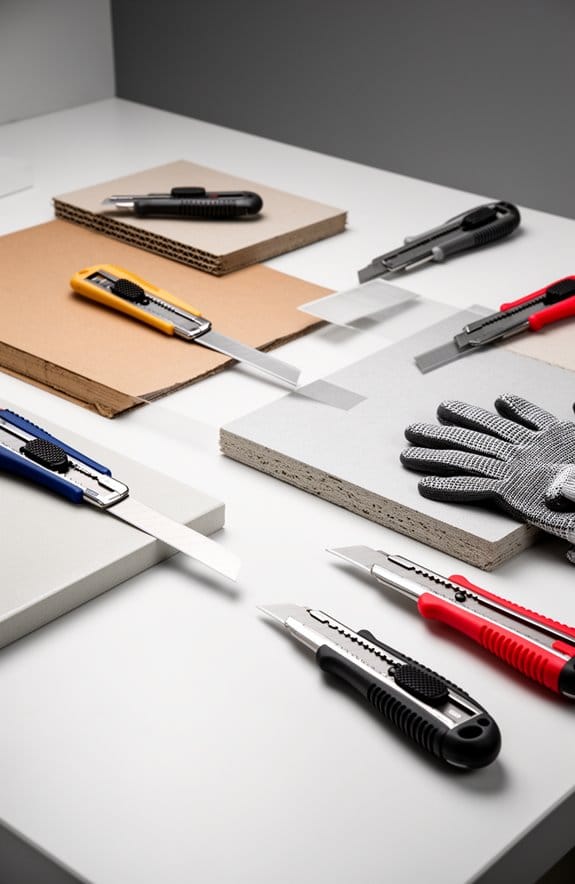

To get sharp, clean cuts with a utility knife, it helps to pick the right one for the job. Fixed-blade knives are great when you’re tackling tougher materials, while retractable knives give you a bit of precision.
Before you dive in, make sure your workspace is ready. A solid cutting mat is crucial, and good lighting can make a huge difference.
Speaking of technique, try cutting at a 30 to 45-degree angle—this gives you more control. Keep your non-cutting hand safely out of the way of the blade; trust me, it’s a small change that can prevent accidents.
So, what’s the trick to mastering these cuts? Practice makes perfect. The more you work with the knife, the more comfortable you’ll get. Honestly, it’s all about finding that right technique and rhythm that works for you.
In summary, choosing the right knife and setting up your workspace are key for clean cuts. What’s your go-to tip when working with utility knives?
Key Takeaways
- Maintain a sharp blade to ensure clean cuts and minimize the risk of slips during use.
- Cut at a 30 to 45-degree angle for improved control and reduced drag on the material.
- Utilize the “score and snap” technique for creating clean edges in thicker materials.
- Keep your non-cutting hand away from the cutting line for enhanced safety during cutting.
- Use a sturdy cutting mat to stabilize materials and protect surfaces while cutting.
Choosing the Right Utility Knife for Your Cutting Needs
When tackling your next project, have you ever found yourself staring at a wall of tools, unsure which utility knife to pick? Trust me, picking the right one can make a big difference, especially when it comes to the kind of cutting you’ll be doing.
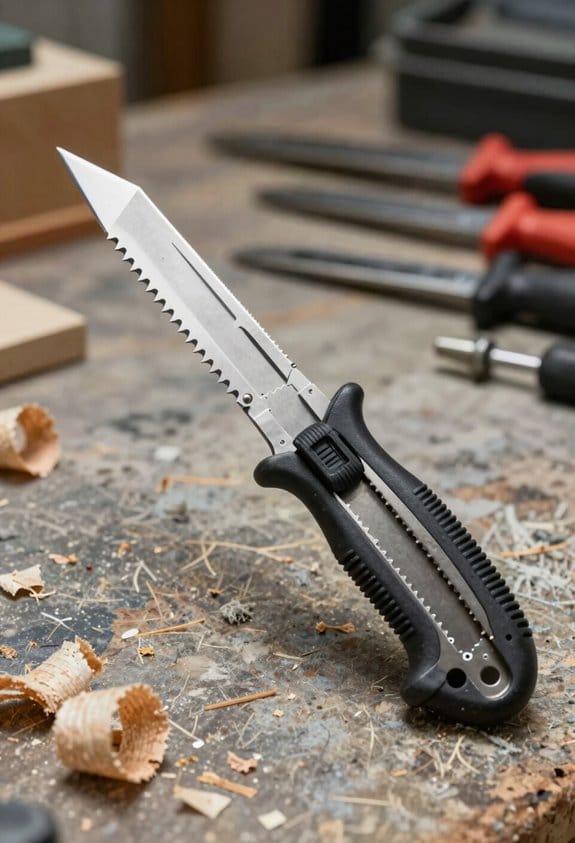
For heavy-duty jobs, like slicing through drywall, a sturdy heavy-duty utility knife is what you need. Going with a fixed-blade model offers that extra strength and stability—no wobbly cuts here! On the flip side, if precision is your goal, you’ll appreciate a retractable utility knife. It gives you much better control over how much blade you expose, which can really come in handy.
Now, let’s talk about blade materials. High-carbon stainless steel is a solid choice for durability, but don’t overlook specialized materials like MagnaCut. They can keep their sharpness longer, which means fewer trips back to the sharpening stone. And don’t forget about the handle! An ergonomic option can be a game changer for comfort, helping to minimize fatigue during those long cutting sessions.
Additionally, choosing a knife with a quick-change mechanism allows for fast and safe blade replacements, keeping your workflow smooth.
So, why does all this matter? Because using the right tool not only makes your work easier but also keeps you safe while you’re at it. The best part? You get to choose the features that really match your cutting needs.
To wrap things up, taking the time to choose the right utility knife means you’ll be better prepared for whatever tasks come your way. What features do you think you’ll prioritize in your next knife?
Essential Preparations Before Using Your Utility Knife
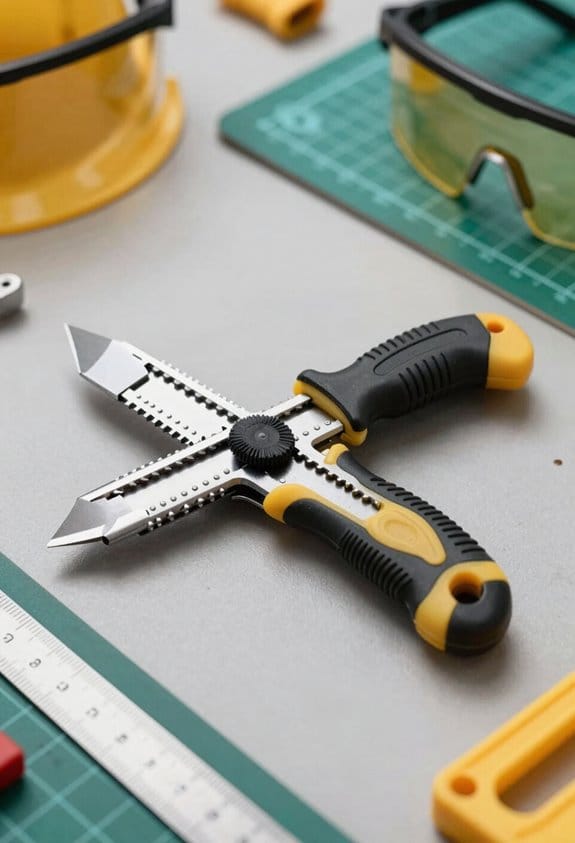
Before you dive into cutting with your utility knife, let me ask you this: have you checked if your blade is sharp and in good condition? It’s so important to ensure your knife is ready to go, as a dull or damaged blade can really mess things up. You want clean cuts, right?
Next, don’t forget about your workspace. Grab a sturdy cutting mat—it’s essential for protecting your surface and keeping things steady while you cut. And make sure to secure your material on the mat; clamps are a lifesaver for preventing slips and slides.
Now, think about lighting and organization. Ever tried cutting in a dim room? It’s frustrating! A well-lit and tidy workspace not only makes it easier to see what you’re doing, but it also helps reduce the chances of accidents.
One last tip: give everything a quick clean before starting. A neat knife and workspace mean you won’t have any distracting buildup getting in your way. Proper preparation really does set the stage for a successful cutting session.
Also, consider using a utility knife with an ergonomic handle to reduce hand fatigue during longer projects.
How to Set Up Your Workspace for Safe Utility Knife Cutting
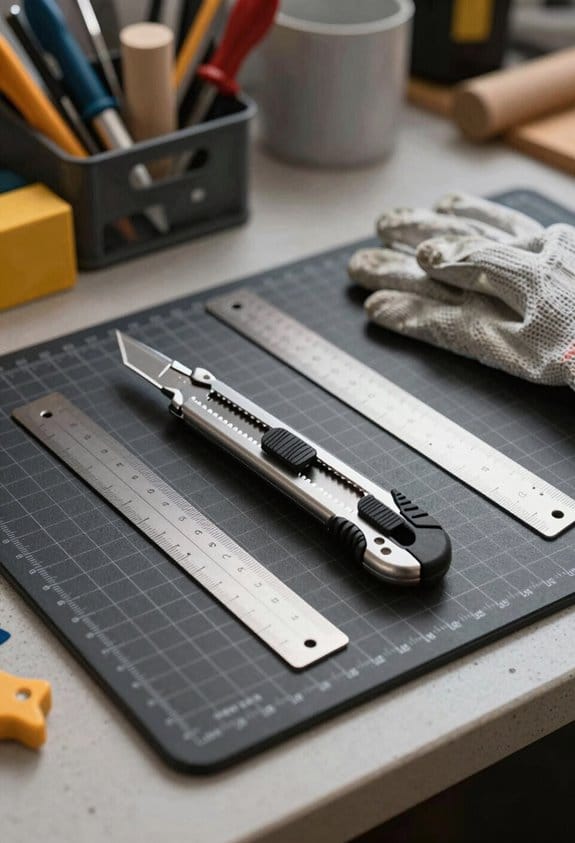
Setting up your workspace properly is crucial for safe utility knife cutting. It can feel like a hassle, but trust me, it really helps to minimize accidents and keeps your cuts accurate. So, let’s break it down to make it easy for you.
First off, always start with a cutting mat. Not only does it protect your surfaces from damage, but it also gives you a stable area to work on. If you don’t want to ruin your kitchen table or work desk, this is a must. Plus, it helps to keep your knife in good shape too.
Next, think about lighting. You want your cutting area to be bright enough to see what you’re doing because no one likes a surprise slice—especially when it’s not what you intended! Take a moment to adjust your light sources; it can make a world of difference.
It’s also smart to use clamps to secure your materials on the cutting mat. Why take any chances with things moving around? Clamping down your items keeps everything steady and gives you better control. Keeping your workspace organized is equally important. You don’t want to fumble around for tools that should be right under your nose, but definitely keep them out of your cutting line.
Finally, make sure you’re working on a flat, stable surface. If you’re on a wobbly table, it can lead to slips. Think about the times you’ve seen something go wrong just because you weren’t on solid ground. For an even cleaner and safer working environment, consider incorporating dust collection solutions to reduce airborne particles during cutting.
Recommended Products

45-Mil Liner: The Most Popular Material for New And Re-Roof, Low Slope, Roofing Applications
45-Mil Liner: The Most Popular Material for New And Re-Roof, Low Slope, Roofing Applications

Natural Appearance - 100% natural looking artificial grass, contain green straight yarn and yellow curve yarn, 0.8inch pile high. The outstanding craft make the yarn more soft, providing soft feeling when walking on with bare feet or touching with hands.
Basic Cutting Techniques for Beginners
Cutting with a utility knife can be a bit intimidating, right? If you’ve ever found yourself struggling with it or worried about safety, you’re not alone. Here are five essential techniques that’ll help you cut safely and effectively, so you can gain that confidence while tackling your projects.
First off, it’s crucial to keep a strong grip on your knife while you cut. This isn’t just about comfort; a firm hold gives you better control and helps prevent those slips that can mess up your cuts. Remember, it’s all about clean lines.
Now, let’s talk about the angle of your blade. Aim for a 30 to 45-degree angle against whatever material you’re working with. This little tip can really enhance your cutting performance and reduce drag. So, why does this matter? Well, the right angle allows the knife to slide through the material more smoothly, making your job a lot easier.
When you’re cutting, just take your time. Moving slowly and steadily in a straight line makes all the difference. Quick, sudden movements can not only break the blade but could also lead to accidents. And nobody wants that!
Another pro tip is to always work on a cutting mat. This provides a stable surface that not only supports your material but also helps you achieve cleaner cuts. Think of it as your dedicated workspace to keep everything in order.
Finally, it’s all about positioning. Keep your non-cutting hand well away from the cutting line. This not only protects your fingers but also helps you stay focused on your task.
Understanding the importance of high-quality stainless steel materials in tools can further enhance the longevity and safety of your cutting equipment.
Safety Precautions Every Utility Knife User Should Follow
Using a utility knife can feel pretty straightforward, but safety should always be your top priority. Think about it—those blades are sharp and can easily cause injuries. So, what can you do to stay safe while getting the job done?
Start by wearing cut-resistant gloves. They’re a small thing that makes a big difference when it comes to protecting your hands. Before diving into any cutting, take a minute to inspect your knife. Ensure the blade is both sharp and free of rust. A dull or rusty blade can slip and lead to accidents, and I can tell you from experience—it’s not fun!
Now, here’s the trick: focus on what you’re doing. It’s all too easy to get distracted, whether it’s chatting with someone or scrolling through your phone. Trust me, keeping your attention on your task will help you avoid those potential mishaps. And speaking of focus, always use a stable cutting surface. This gives you better control and keeps your fingers at a safe distance from the cutting line.
After you’ve completed your cutting, make sure to retract or cover the blade. This is one step you definitely don’t want to skip. Store your knife securely so it doesn’t accidentally hurt anyone. Additionally, wearing protective eyewear is essential to shield your eyes from any debris or dust created during cutting.
Your Guide to Utility Knife Maintenance and When to Replace Blades
Ever been in the middle of a project only to realize your utility knife is dragging and not cutting smoothly? It’s super frustrating and can lead to safety issues. Keeping your utility knife in top shape is essential for both its performance and your safety.
Regularly checking your utility knife blades is a must. Look for signs of dullness, chips, or even rust. Dull blades can slow you down and make cuts less precise. So, when you start to feel your knife dragging, it’s time for a blade change. But instead of constantly buying new blades, why not consider a sharpening stone to give them a second chance? It can really help save some cash and extend the life of your blades.
Implementing a maintenance routine can be a game-changer for your cutting tasks. Try checking your blades once a week. This small habit can make a big difference in keeping your cuts clean and accurate.
And don’t forget about safety! When it’s time to toss out old blades, make sure you dispose of them in puncture-resistant containers. It’s all about keeping accidents at bay.
Using a dust containment system can also improve your workspace cleanliness during cutting projects, reducing airborne particles.
So, why does this matter? Well, a well-maintained utility knife means smoother cuts and a better overall experience. Remember to take these steps to keep your knife in prime condition.
What’s your go-to tip for maintaining your tools?
Don’t Make These Common Utility Knife Mistakes
Have you ever found yourself fumbling around with a utility knife, unsure if you’re being as safe as possible? Even if you’ve used one a million times, it’s easy to make mistakes that can lead to some nasty accidents. One of the most important things you can do is to check your knife and blade before you start cutting. A dull blade not only makes things harder but can easily slip, and that’s when accidents happen.
Here’s the trick: always work on a stable cutting mat. This provides a solid surface, which can drastically reduce mishaps as you go about your task. Plus, keeping a distance of at least six inches from the cutting line is a must. It’s a simple way to protect yourself from unexpected slips that could lead to painful cuts.
The best part is, once you’re done using the knife, always retract the blade or cover it. Seriously, it’s such a small gesture that can save you from accidental cuts. Using the proper tools needed for application can also enhance safety and efficiency during your work. So, why does this matter? Because being mindful of these simple practices can ensure cleaner cuts and safer sessions every time you grab that utility knife.
In short, take a moment to follow these guidelines before diving into your next project. Are you ready to make your cutting experience both safer and more enjoyable?
Recommended Products

A SAFE UTILITY KNIFE: This box opener's blade is made of 100% zirconium oxide and safeguards against injury with its proprietary finger-friendly edge. It also has a smart retracting blade that instantly self-retracts when it loses contact with its cutting surface.

Our minimal edc knife is made up of only two parts and a disposable utility blade. The unique design doesn’t use any fasteners, which means no tools are needed to switch out the blade.

Fiskars safety cutter knife with automatic retracting blade, Ideal for cutting different materials such as paper, cardboard and fabric
Advanced Utility Knife Techniques for Skilled Users
Have you ever struggled with making clean cuts using a utility knife? You’re not alone. Many of us end up with sloppy edges or even bent blades. But there are some advanced techniques that can really step up your cutting game.
First off, mastering your cutting angles is essential. Aim for angles between 30 and 45 degrees; this helps you keep control and reduces those annoying blade slips. And don’t forget about your thumb. Using it to guide the blade gives you added stability and precision, especially when you’re dealing with tricky cuts.
When you’re cutting tougher materials, it’s really important to apply a consistent speed and pressure. You want to avoid bending the blade, which is a common issue. Plus, if you’re working with thicker items, try the “score and snap” technique. It’s a great way to ensure clean edges without too much hassle.
Regular blade maintenance is another must. Keeping your blades sharp is critical; dull blades can lead to unsafe cutting practices. So make it a habit to check your blades often. Additionally, using abrasive tools with high-quality materials can prevent unnecessary wear and ensure longer-lasting performance.
To sum it up, practicing these techniques will definitely elevate your utility knife skills. What cutting challenges have you faced, and how do you think these tips might help?
Frequently Asked Questions
What Are the 10 Basic Cutting Techniques?
We’ve found that mastering precision cutting methods includes blade maintenance tips, embracing ergonomic handle designs, applying comparison with scissors, and adopting safety practices overview—ultimately enhancing our skills and ensuring efficiency with application-specific blades.
What Is the Golden Rule for Knives?
The golden rule for knives is prioritizing safety precautions. We should always cut away from ourselves, maintain stable cutting surfaces, select sharp blades, and use proper grip styles and angles for ideal control and efficiency.
What Are the 14 Cutting Techniques?
We’ve found 14 cutting techniques essential for safety and precision. These include blade maintenance tips, safety guidelines, selecting the right materials, using appropriate cutting surfaces, ergonomic grips, and effective sharpening techniques for peak performance and control.
Where Should Your Thumb Be When Using a Utility Knife?
Like a steady ship’s rudder, our thumb positioning on the utility knife guarantees grip strength, enhances blade control, and promotes safety measures. This helps us maintain ideal angles and cutting pressure for precise, clean cuts.