
Have you ever noticed screws popping out of your drywall? It’s frustrating, especially after putting in all that effort to get things just right. Let’s dive into why this happens and how you can avoid it.
First off, drywall screws can pop out due to a couple of common culprits: improper installation and issues with moisture. If the screws don’t sink deep enough—around 5/8 to 3/4 inch into the framing—they’re less likely to stay put. Stick with 1-1/4 inch screws for standard 1/2 to 5/8 inch drywall. This ensures a strong grip.
So, how do you keep that drywall tightly secured to the studs? It’s all about the fit. Make sure you’re pressing the drywall snugly against the studs as you work.
Also, keeping your indoor humidity levels between 40% and 50% can make a big difference. Moisture changes can weaken the grip of your screws, leading to those annoying pops.
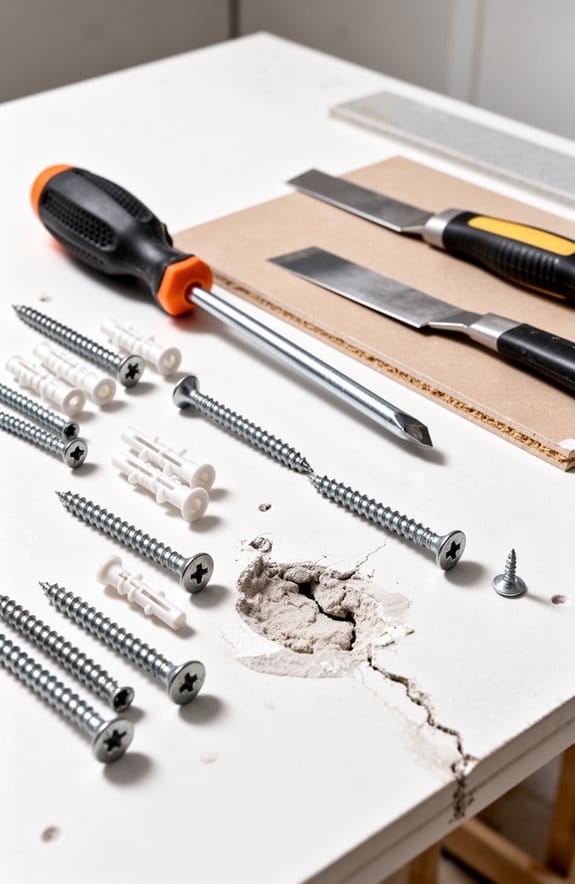
What if you’ve already got some screws that have popped out? Don’t worry too much! You can simply re-screw them and then fill in the dimples with joint compound. It’s a straightforward fix that can restore that clean finish.
Truth is, managing humidity in your home isn’t just about comfort—it also protects your repairs. So, how are you tackling humidity where you live? Exploring better humidity management tips could really pay off in the long run.
In short, take your time with installation and keep an eye on moisture levels. You’ll be much happier with your results! What steps are you planning to take to prevent any drywall drama in your space?
Key Takeaways
- Drywall screws pop out mainly due to moisture fluctuations in wood studs causing expansion and contraction.
- Over-penetration or insufficient screw depth can weaken grip, leading to screw movement.
- Maintain screw placement every 16 inches and ensure tight drywall contact with studs.
- Monitor humidity levels between 40% and 50% to minimize risks; use dehumidifiers as needed.
- Regularly inspect and repair popped screws by re-screwing and applying joint compound for a smooth finish.
Common Causes of Drywall Screw Pops

Ever had a pesky drywall screw pop out and ruin your perfectly painted wall? It’s more common than you might think. Understanding why it happens can save you from deeper issues down the line.
One of the main culprits behind drywall screw pops is over-penetration. When screws go in too deep, they can break through the paper surface of the drywall, which weakens their grip. Moisture in the wood studs can also be a huge factor. As the wood expands and contracts, it can loosen those screws over time. So, if you notice your screws deciding to make a break for it, moisture might be to blame.
Another big reason for screw pops is not sinking the screws deep enough. Insufficient screw depth can lead to problems, especially when the drywall settles. And let’s not forget about installation techniques. If screws are spaced too closely together, they create unnecessary friction and pressure on the drywall.
Try this: Keep your screw heads slightly above the surface, and pay attention to the screw length during installation. It’s all about keeping that drywall tight and stable. Choosing screws with a bugle head design can also help ensure smooth countersinking and a secure hold.
Top Tips for Installing Screws Efficiently

Installing drywall screws can be a bit of a hassle if you don’t have the right techniques down. Ever found yourself struggling to get those screws to sit perfectly? You’re not alone. Here are some tips that can really help you speed up the process and ensure a solid installation.
First off, investing in a drywall screwgun is a smart move. This tool helps you drive screws deep enough so that the head is just above the surface but doesn’t tear through the paper covering. Trust me, this little gadget can save you a lot of headaches down the line!
When it comes to screw placement, spacing is crucial. Aim for every 16 inches, and don’t forget to put a screw in each corner and at least two in the field between. This layout provides the support you need and can help prevent those annoying nail pops later on.
You’re likely going to want to grab 1-1/4 inch screws for your 1/2 to 5/8 inch drywall. It’s the perfect size for a secure fit. And here’s the trick: avoid overdriving your screws. You should be aiming for about 5/8 to 3/4 inch penetration into the framing. Too deep, and you risk weakening the hold.
Another thing worth mentioning is to keep the drywall tight against the studs while you’re working. This little tip minimizes voids and reduces the risk of screw movement because of moisture changes. It’s a small detail, but it makes a big difference.
For best results, use screws with deeper threads to enhance grip and pull-out resistance during installation.
How Humidity Impacts Drywall Screw Popping?

Have you ever noticed your drywall screws popping out? It can be super frustrating, right? A big reason behind this issue is humidity, and understanding its impact can save you a lot of headaches down the road.
When there’s high humidity, the wooden studs in your walls tend to absorb moisture. This causes them to expand and, guess what? Those drywall screws get loosened up. But it doesn’t stop there. In dry conditions, the wood releases moisture and shrinks, making screws more prone to coming loose again. It’s like a never-ending cycle of expansion and contraction, all thanks to the humidity levels fluctuating.
Here’s the trick: aim to keep your indoor humidity between 40% and 50%. Regularly checking the humidity can help you spot any changes that might affect your drywall. If you can keep things stable, you’ll notice a difference in how well your drywall holds up over time.
So, why does this matter? It’s all about extending the lifespan of your drywall and ensuring those screws stay securely in place, no matter the conditions outside. Keeping an eye on humidity can really help in keeping everything intact. Using stainless steel screws can also reduce corrosion issues and improve long-term hold in moist environments.
Practical Strategies to Manage Humidity and Prevent Screw Pops
Ever notice those frustrating drywall screw pops in your home? They can be annoying, and if you’re like most people, you want to avoid them at all costs. One of the main culprits is moisture, so keeping things under control is key.
Start by aiming for indoor humidity levels between 40% and 50%. A hygrometer can be your best buddy in tracking those moisture levels. When the air gets too humid, a dehumidifier can really make a difference by pulling excess moisture from the air. This isn’t just a one-time fix; it’s something to keep an eye on throughout the year to prevent any issues.
Temperature fluctuations can also wreak havoc on drywall. Keeping your living spaces at a stable temperature plays a big role in maintaining the stability of your drywall. Before you even start installing new drywall, think about where you’re storing your materials. Keeping them in a controlled environment can stop them from soaking up unnecessary moisture from the surrounding air.
Additionally, using joint compounds with minimal shrinkage properties helps reduce cracks around screws, which can prevent pops from forming over time.
So, why does this matter? Taking these steps helps minimize the risk of screw pops, which means your drywall will stay solid for a long time. Truth is, a little preventive care can go a long way in preserving your home’s integrity.
To recap, monitor humidity levels, manage temperature, and store your drywall materials wisely. Have you noticed any screw pops in your home? What do you think could be causing them?
Recommended Products

HIGH-CAPACITY COMMERCIAL DEHUMIDIFIER WITH PUMP: The Dri-Eaz LGR 2800i dehumidifier delivers exceptional water removal performance, extracting up to 30 gallons of moisture daily. Designed for industrial, commercial, and home use, it operates efficiently even in high-heat conditions, this portable dehumidifier is ideal for basements, garages, and large rooms

[ENERGY EFFICIENT COOLING] Della 4 Zone 45000 BTU/h, 19 SEER2, 208-230V, ETL Listed, AHRI Certified pre-charged air conditioner unit features a mini split inverter plus system with a heat pump (up to -13℉/-25℃) and DC Inverter technology provides up to 30% power savings. (This model does not support the Self-Cleaning Function. The option will still show on the display after pressing the self-cleaning button, the self-cleaning operation will not be performed.)

This is a combo package Deals of 12pcs 1/3hp Air Mover , 2pcs 500 Hepa 500 Air Scrubber, 2pcs 80pints Compact LGR Dehumidifier
Quick Repair Methods for Screw Pops
Have you ever noticed those annoying screw pops in your drywall? They can be such a hassle, but don’t worry—a few quick fixes can help you tackle the issue and keep your walls looking smooth.
First off, grab your drill and re-screw those popped screws. Make sure you drive them deep enough for a solid hold, but watch out! You don’t want to tear the paper surface of the drywall. It might sound simple, but getting this step right is crucial.
If you spot any dimples left behind from the screws, you can fill them in with some joint compound. Allow it to dry, and then lightly sand the area to achieve that smooth finish you’re aiming for. It’s all about those little touch-ups that can make a big difference.
But what if the original holes are stripped? That’s not uncommon, and you can prevent future pops by using larger screws or drywall anchors. So, why does this matter? Because addressing these issues now can save you time and trouble down the road.
And hey, having a drill on hand isn’t just handy for this—it’s a good idea to regularly inspect your walls for screw pops. Staying proactive helps maintain the integrity of your drywall, and keeps things looking sharp.
To recap, re-screw popped screws, fill in dimples, and don’t forget about those larger screws if needed. Have you checked your drywall for screw pops lately?
For additional reinforcement and to help prevent cracking around repaired areas, consider using fiberglass mesh tape beneath the joint compound for a stronger, longer-lasting finish.
Recommended Products

GENUINE LEVEL5 | If quality, performance, and reliability of your finishing tools matters, choose LEVEL5 brand tools.
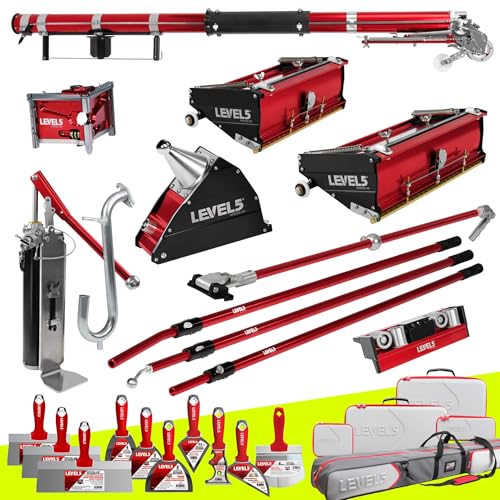
GENUINE LEVEL5 | If quality, performance, and reliability of your finishing tools matters, choose LEVEL5 brand tools.

GENUINE LEVEL5 | If quality, performance, and reliability of your finishing tools matters, choose LEVEL5 brand tools.
Frequently Asked Questions
What Causes Screws to Pop Out of Drywall?
Screws pop out of drywall due to poor installation techniques, improper drilling depth concerns, and moisture effects. We need to contemplate drywall thickness impact, wall stud alignment, and load weight limits for better results.
How to Fix Drywall Screw Pop?
To fix a drywall screw pop, we should select suitable screws, guarantee proper installation by following screw spacing guidelines, check wall stud alignment, and avoid over-tightening, considering drywall thickness and moisture effects using appropriate repair tools.
How to Fix Drywall Anchors Pulling Out?
When it comes to drywall anchors pulling out, we need to cover our bases. Let’s guarantee proper drilling, use suitable anchor types, adhere to weight limits, reinforce where necessary, and employ effective repair techniques for stability.
What to Do When Screws Won’t Hold in Drywall?
When screws won’t hold in drywall, we should consider using appropriate screw types, ensuring proper placement, identifying studs, and considering pilot holes. We might also explore adhesive options and repair techniques for better weight distribution.