
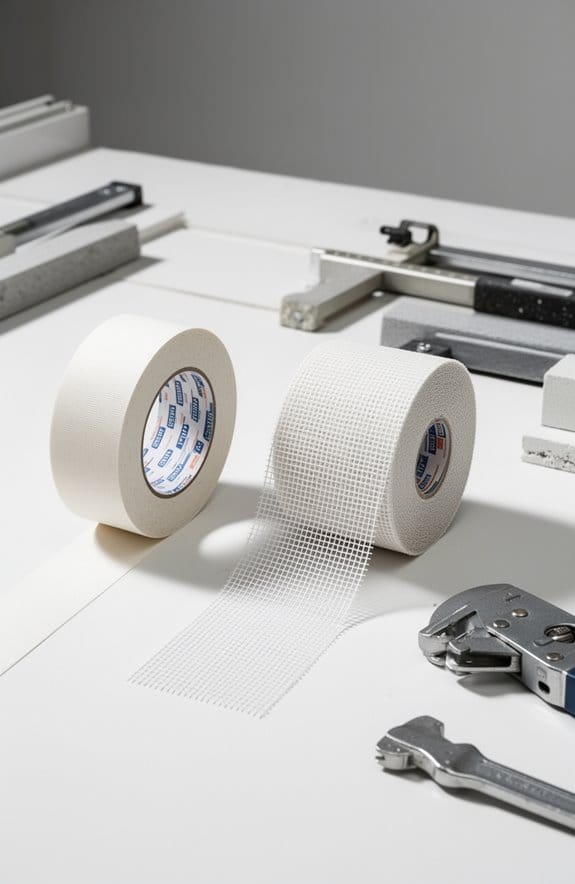

When you’re working on drywall, one of the biggest choices you’ll face is whether to use paper tape or mesh tape. Each type has its own set of characteristics that can make or break your project.
Paper tape requires you to fully embed it in joint compound, and you’ll want to have a stiff 10-inch knife handy for a smooth finish. It typically offers strong bonding, especially in high-stress areas.
But here’s the thing—if you’re not careful, application can get messy, and that can lead to more sanding later on.
On the flip side, mesh tape is self-adhesive and moisture-resistant, making it a great option for quick fixes, particularly in damp spaces like basements. You just stick it on, apply your joint compound, and you’re done.
So, why does this matter? If you’re in a hurry or dealing with a leaking pipe, mesh tape might just save your sanity.
- Paper tape:
- Strong bonding, best for tough joints
- Needs careful embedding
- Mesh tape:
- Easy to apply, self-adhesive
- Great for moisture-heavy areas
In the end, consider both types and their best applications to ensure you get the results you’re after. Honestly, choosing the right tape can make your job a whole lot easier.
Have you dealt with both types before? What’s your go-to?
Key Takeaways
- Paper tape requires joint compound embedding for adhesion, while mesh tape has a self-adhesive backing for easier application.
- Mesh tape is moisture-resistant, making it ideal for damp areas, whereas paper tape provides greater structural integrity for high-stress spots.
- Paper tape helps achieve smoother finishes and works well with automatic tools, beneficial for larger projects.
- Misalignment is a common issue with mesh tape that can occur during application, while paper tape ensures sharper corners with its factory crease.
- For optimal results, choose paper tape for corners and high-stress areas, and mesh tape for quick repairs and damp conditions.
Choosing Between Paper and Mesh Tape: Key Differences You Should Know
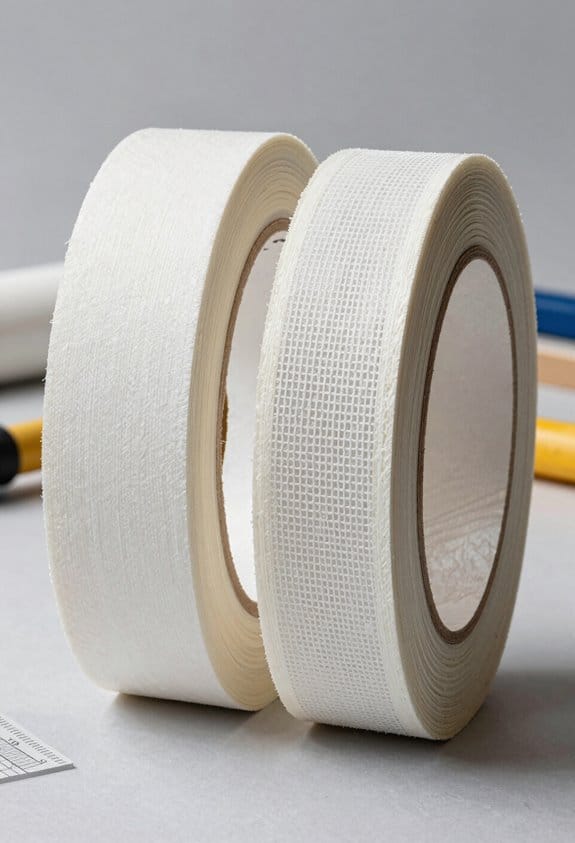
When it comes to choosing between paper tape and mesh tape for drywall projects, you’ve probably faced a real dilemma. They both have their pros and cons, and knowing the differences can save you a lot of headaches down the line.
Let’s break it down. Paper tape needs to be embedded in joint compound to stick well, which can be a bit tricky for those new to drywall work. If you’re just starting out, that steep learning curve might feel overwhelming. On the flip side, mesh tape comes with a self-adhesive backing, making it super user-friendly. This can seriously speed up your repairs, especially if you’re crunched for time.
So, why does this matter? It’s also worth noting that mesh tape does a great job resisting mold, making it a solid choice for those damp areas in your home. Paper tape, however, shines when it comes to high-stress spots where you need that structural integrity. Another thing to consider: paper tape has a factory crease that helps you get those corners nice and sharp. If you’re not careful with mesh tape, it can easily misalign in those tricky corner spots.
You might think, “Okay, but which one’s more cost-effective?” Generally, paper tape has the edge in price per roll. However, don’t forget that mesh tape could save you time on the job, which can also mean saving money overall.
Additionally, using products with quick-drying formulas can complement the tape choice by reducing overall project time.
Taking all of this into account should help you make the best choice for your project. Are you tackling a quick fix, or is it a more complex job that needs that extra support? Think about your priorities, and you’ll get it right!
Advantages of Paper Tape in Drywall Applications
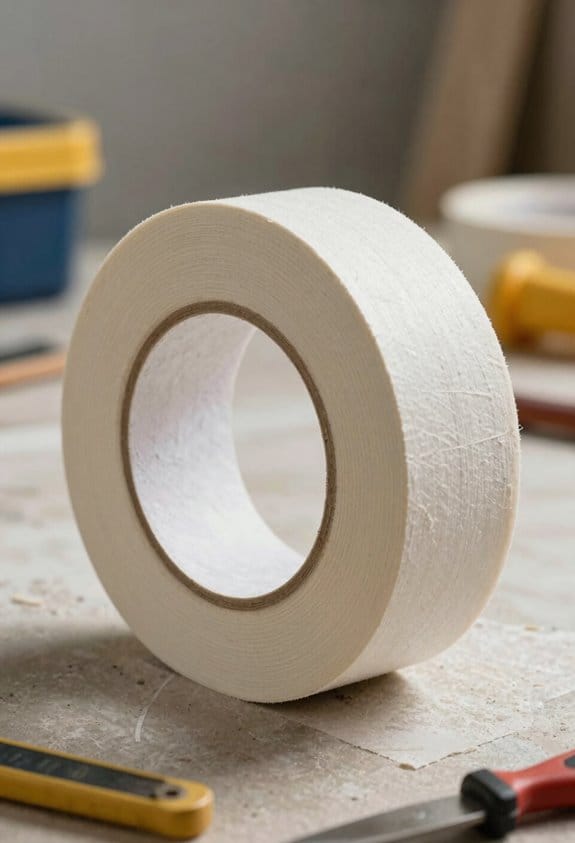
Are you tackling a drywall project and wondering which tape to use? Let’s talk about the benefits of paper tape. It’s a go-to for many pros—and for good reason.
Firstly, one of the biggest perks of paper tape is its strong bonding abilities. It sticks like a champ to drywall surfaces, meaning less peeling and cracking down the road. Plus, its lightweight and thin design helps create smoother finishes, especially in those tricky high-stress spots, like ceilings. And if you’ve ever struggled with corners, the factory crease makes applying it a lot easier, giving you that clean, professional edge.
Many experienced professionals reach for paper tape because it plays nicely with automatic tools, which can speed up your work on bigger jobs. When you’re dealing with butt joints, paper tape stands out by adding some structural support. Once it’s set in the joint compound, it gets even tougher.
So, why does this matter? Well, if you’re looking for reliable drywall installations, these advantages certainly make a strong case for paper tape. Additionally, using paper tape with proper drywall installation techniques can contribute to achieving flush and seamless finishes that enhance wall aesthetics.
In short, it’s a solid choice for any drywall work you have in mind. Have you had any experiences with paper tape that stood out to you?
Recommended Products

For Crafts & Artist Paper Tapes - The optimal thickness and 'easy removal off' ensures no damage to most surface. With a medium to high adhesion strength, this tape allows writing on it with a marker pen. Easy removal from materials. No residue. Great for decorative birthday party use and extensions. Compare to fluorescent scotch strips and 3m duck. Complement your duct tape crafts, origami, quilting, and hula hoop projects.

👍【Professional Acoustic Treatment】Sonicism sound proof foam panels for walls adopt a novel pyramid 3D design and high-density polymer material. The contact area between the acoustic foam panels and the sound wave is increased, which can effectively reduce flutter echo, reverberation, standing wave and high-frequency noise. In bringing you a quiet and comfortable environment, it can also improve the purity of vocal music.

GENUINE MATRIX 6" CARBON STEEL JOINT KNIFE PLUS PRO SERIES TAPING KNIFE SET WITH MATRIX STYLE HANDLES - Comfort, control, balance and perfect flex make these the best knives you'll ever use.
Benefits of Using Mesh Drywall Tape for DIY Projects
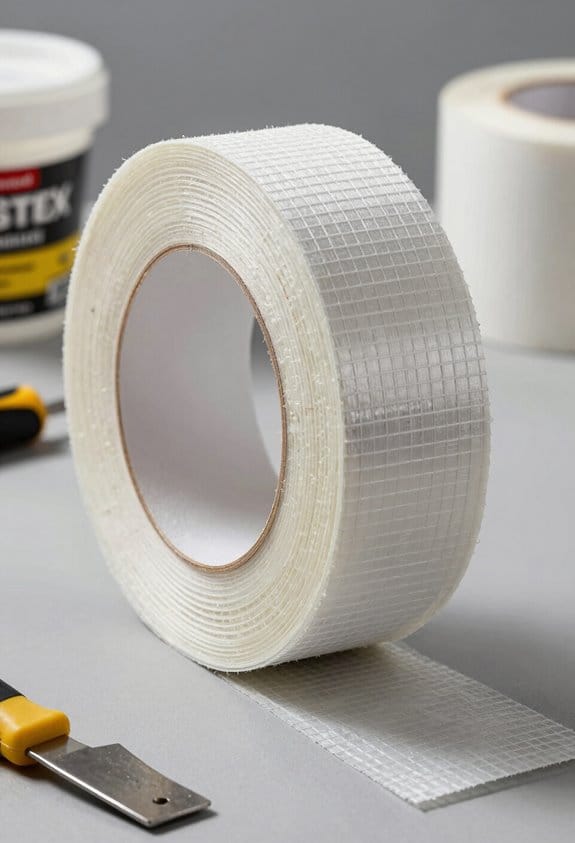
Tackling a DIY drywall project can be a big task, right? One thing that can make it a lot easier is mesh drywall tape. This self-adhesive fiberglass mesh tape means you don’t have to mess around with an extra layer of joint compound. It’s strong and flexible, which comes in handy for those pesky joints with wider gaps.
Another plus? Mesh tape is moisture-resistant, so it’s perfect for areas like bathrooms where dampness can be a concern. This helps you avoid potential mold problems down the line. Plus, once you stick that tape down, you can apply a coat right away. This not only saves time but also lets you get through multiple coats in a single day, which is pretty fantastic when you’re trying to finish a project quickly.
Keeping air bubbles at bay is another win with mesh drywall tape. It’s a lot easier to work with than traditional paper tape, especially for those just starting out with drywall projects. So why does this matter? It means you can focus on getting your project done rather than stressing over common application issues.
In short, mesh drywall tape can be a solid choice for your next DIY drywall job. It’s straightforward to use and can really speed up the process. Have you considered giving it a try in your next project? Why not jump in and see how much easier it can make things? Additionally, its high tensile strength ensures your repairs will withstand cracking and last longer.
Recommended Products

12-PACK CASE - Individually packaged in case box with a Plastic Knife in each pack

STRONG FIBERGLASS CONSTRUCTION: Durable fiberglass mesh tape provides reliable joint reinforcement for drywall seams and repairs. Ideal for long-lasting wall patching and spackle applications.

High Strength Fiberglass: Fiberglass mesh fabric is tough, non-deforming, resistant to pulling and tearing, anti-aging, can withstand sudden changes in temperature, and easily dissolves in oily liquids such as styrene. Stereotypes do not fall off, can easily solve the problem of wall cracking.
Challenges of Applying Paper vs. Mesh Tape: What You Need to Know
Have you ever tried taping drywall and ended up with frustration rather than a smooth finish? You’re not alone! It turns out that choosing between paper and mesh tape isn’t just a matter of preference; the application challenges can vary quite a bit.
With paper tape, your main goal should be to ensure it’s fully embedded in the joint compound. If you skip this step, you might end up with air bubbles that stick around for a long time. So, the trick here is to apply a thin first coat of joint compound, feathering it out evenly with your trowel. This will help secure the tape properly and give you a solid base.
On the flip side, mesh tape can be a little easier to work with initially. You can apply it directly to the wall, which allows you to use a thicker coat of joint compound right off the bat. But don’t get too comfortable, because this leads to longer drying times. When you’re working with mesh tape, pay close attention to those corners. Misalignment is a common issue, and good technique is a must. Paper tape has a crease design that makes corner applications simpler, so that’s something to keep in mind.
One thing to note is that mesh tape often needs a bit more joint compound for reinforcement compared to the stronger bonding of paper tape. So, why does this matter? Ultimately, knowing these differences can save you time, stress, and a headache down the road. Additionally, understanding the material strength and durability of each tape type ensures you choose the best option for long-lasting repairs.
Recommended Products

Pack of 10 - Adfors FibaFuse Paperless Drywall Joint Tape 2-1/16 in. x 500 ft. White

SUPERIOR SEALING: Fiber-reinforced formula ensures leak-free HVAC systems, improving energy efficiency and performance

ALUMINUM PERFORATED PATCH: Durable 6 x 6 in. aluminum patch designed for easy wall and ceiling repairs. Ideal for covering wall holes and reinforcing damaged surfaces in your home.
When to Choose Paper or Mesh Tape?
When it comes to drywall projects, knowing whether to grab paper or mesh tape can make a big difference in your results. Ever found yourself stuck at a corner, not sure which tape to choose? Let me break it down for you.
If you’re tackling high-stress areas or corners, paper tape is the way to go. It’s got that smooth finish and strong durability you need for a professional look. On the flip side, if you’re making quick repairs—especially in wet conditions—mesh tape is your best friend. Its self-adhesive nature gets the job done fast. Think about it: sometimes, time is of the essence, right?
Now, here’s a handy tip: when you’re working on larger installations where efficiency really matters, reach for paper tape. It works seamlessly with automatic tools, saving you a lot of elbow grease. But what about corners? For those tricky spots, mesh tape gives a little more flexibility, which is great for anyone who’s new to the game.
Let’s not forget about butt joints. When you need solid structural support, paper tape embedded in setting mud really stands out. Truth is, it helps ensure your joints won’t crack or fail over time.
For best results, using paper tape with high tensile strength enhances joint durability and reduces the risk of air bubbles during application.
Recommended Products

✅【Fiberglass Mesh Tape】Fiberglass mesh is made of high quality and high density glass fiber. Corrosion resistant, high temperature resistant, toughness
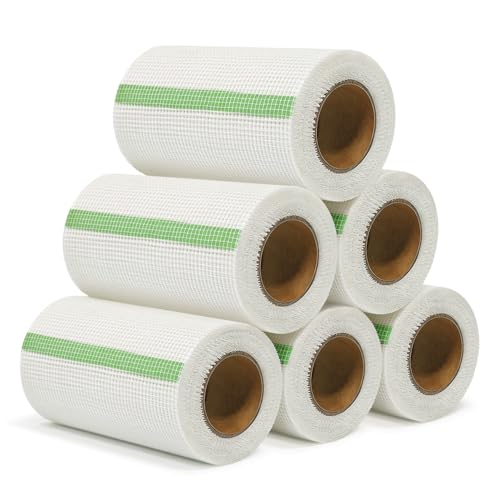
✅ STRONG FIBERGLASS MESH – Made of high-tensile fiberglass material, QILIMA drywall tape provides superior reinforcement for drywall joints, cracks, and seams. Perfect for drywall repair, sheetrock taping, and plaster reinforcement, ensuring long-lasting durability.

Flexible Drywall Tape for Uneven Angles: Mid-Flex is a flexible corner bead designed for inside corners, outside 90°, and off-angle corners. A flexible fit for bay windows, detailed ceilings, or irregular framing.
Tips for Achieving the Best Results With Both Tape Types
Ever had trouble getting that perfect finish when taping drywall? You’re not alone. Whether you’re using paper or mesh tape, there are a few tricks that can help you get it right.
When it comes to paper tape, you really want to soak it well in joint compound. This is key! If you don’t, air bubbles might form, leading to frustrating blisters later on. I recommend grabbing a stiff 10-inch knife—it gives you much better control and helps achieve a smooth finish. Trust me, a well-applied paper tape can make all the difference.
So, what about mesh tape? The trick here is to apply a thicker first coat of joint compound. Honestly, consider using fast-setting joint compounds—they can really speed up your work, letting you layer multiple coats in just one day. Plus, keep an eye on the weather; too much moisture can mess with your results.
In short, taking the time to focus on your application techniques is worth it in the end. You’ll likely end up with a solid and clean finish that’ll make your projects stand out. Also, pay attention to the material composition of your tapes and joint compounds as it influences durability and finish quality. What are you waiting for? Give these tips a shot!
Recommended Products

CONTRACTOR GRADE 10/12 MaxxBoxx Full Set A VALUE PRICE

Full TapeTech Drywall Finishing Set with Interchangeable Extendable Handle Plus 2 Standard Handles to Eliminate Swapping Handles

Full TapeTech Drywall Finishing Set with 4 Handles to Eliminate Swapping Handles
Frequently Asked Questions
When to Use Mesh Tape Vs Paper Tape?
When we’re choosing tape for our repair projects, we should use mesh tape for quick applications and paper tape for areas needing durability. Incorporating these professional tips helps us achieve the best results with our application techniques.
What’s the Difference Between Paper Tape and Cloth Tape?
The key difference between paper tape and cloth tape lies in their material properties and adhesive strength. We use paper tape for smoother finishes, while cloth tape excels in flexibility and quick tape applications.
What Are the Cons of Mesh Tape?
Mesh tape has some downsides—its adhesion quality can be weaker, installation difficulty may arise, and it’s more moisture sensitive. Plus, we should consider durability concerns, as it might crack in high-stress areas over time.
What’s the Difference Between Paper and Fiberglass Mesh Drywall Tape Fine Homebuilding?
In the dance of drywall installation techniques, we find paper tape offers a steadfast partner, while fiberglass mesh brings a flexible twist. Each has unique strengths in tape types comparison and joint finishing methods for our repair job materials.


