
Have you ever put in the hard work to repair drywall, only to have your fresh paint start peeling away? It’s frustrating, right? This often happens because of a few common culprits: moisture, poor surface prep, or even using low-quality materials.
First things first—check for any leaks in the walls or ceiling. A small, unnoticed leak can lead to big problems later on.
Don’t skip on cleaning the surface before painting, either. You want everything to be dry and dirt-free; otherwise, your paint just won’t stick.
Now, let’s talk about primers. If you put latex paint over oil-based primer, that can cause a serious separation. Here’s the trick: always choose the right primer for your paint type.
And remember, waiting about 24 hours between coats gives the paint time to adhere better.
Honestly, it’s worth investing in high-quality paint and moisture-resistant products. Not only will they give you a better finish, but they’ll also save you hassle down the line by preventing future peeling.
So, why does this matter? Well, it all comes down to ensuring that your efforts pay off in the long run. A little extra care during prep can lead to a lasting, beautiful result.
If you keep these tips in mind, you’ll have a much smoother painting experience.
In summary, take the time to inspect, prepare, and mitigate issues before painting.
Have you faced paint peeling after repairs? What steps did you take to fix it?
Key Takeaways
- Moisture issues, like leaks or humidity, can lead to poor paint adhesion, resulting in peeling.
- Improper surface cleaning can prevent paint from bonding due to dust or grease.
- Mixing paint types, such as latex over oil-based primers, can cause separation and peeling.
- Insufficient drying time between layers weakens the adhesion of the paint.
- Using low-quality paint may lead to poor flexibility and moisture resistance, increasing peeling risk.
Common Causes of Paint Peeling After Drywall Repairs

Ever painted a wall only to watch the paint start peeling a few weeks later? It’s frustrating, isn’t it? This often happens after drywall repairs, and there are a few key reasons why it might be happening in your home.
Moisture is a huge culprit. When too much gets into the wall, it can wreck the adhesion of your paint. Have you ever noticed that peeling seems more prevalent in humid months? It’s not just you. Another common issue arises when mixing paint types. If you put latex paint over an oil-based primer, don’t be shocked if they don’t get along. They can separate, and that could lead to peeling.
Now, let’s talk preparation. If you skip cleaning the surface properly, any dust or grease can mess up your bond. Make sure you’ve cleaned it thoroughly before you start applying paint; this step can’t be overlooked. And drying time? It’s crucial. You might be tempted to rush the process, but not allowing the first layer to dry enough can weaken that bond you’re trying to create.
Excess layers can also be a problem; too much paint on a surface can add weight and stress, making cracks show up sooner rather than later. It’s like that saying, “less is more.”
To improve adhesion and reduce peeling risks, using a self-priming paint designed for drywall repairs can make a significant difference.
So, why does all this matter? If you address these issues before painting, you can help ensure your finish lasts longer and stays beautiful.
Recommended Products
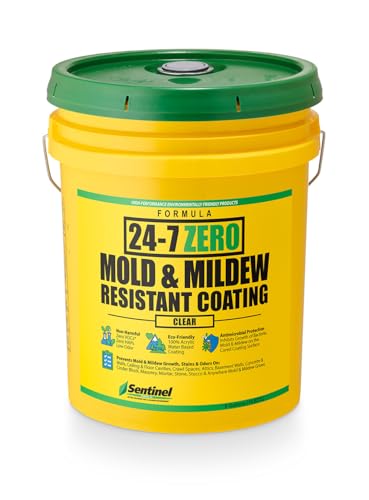
ZERO VOC PERFORMANCE – Contains no volatile organic compounds for safer use in occupied interior environments.

Vertical aerosol for overhead professional projects

The information below is per-pack only
The Impact of Moisture on Paint Adhesion and Peeling

Have you ever noticed your paint peeling after doing some drywall repairs? It can really be frustrating. Moisture plays a big role in this issue, and it’s something you need to keep in mind. When moisture seeps in—whether it’s from leaks or just high humidity—it can cause your paint to blister and peel right off the wall.
If you apply a water-based primer on damp surfaces, it can trap moisturе undernеath. This trapped moisture can lead to peeling later on. You might not know that using latex paint on wet drywall is a no-go, too. It doesn’t bond well and might just lift right off, leaving you back at square one.
There’s also the issue of unsealed surfaces. They can hold onto condensation, which weakens your paint’s bond over time. So, what can you do? Consider going for moisture-resistant primers.
Here are some tips to keep in mind:
- Always check the surface for dampness before painting.
- Use moisture-resistant primers to prevent paint issues down the line.
- Allow your drywall repairs to fully dry before applying any paint.
It’s really about ensuring the best adhesion possible. Addressing these moisture factors can make a huge difference in keeping your paint intact and your drywall repairs looking sharp for much longer.
In addition, using a moisture-resistant setting compound under your repair can enhance durability and reduce the risk of peeling.
In the end, keeping an eye on moisture can save you a lot of headaches. How have you dealt with paint issues in the past?
Recommended Products

Seals Concrete & Masonry Floors - Designed to block high moisture vapor transmission from concrete and masonry surfaces, reducing the risk of coating failure.
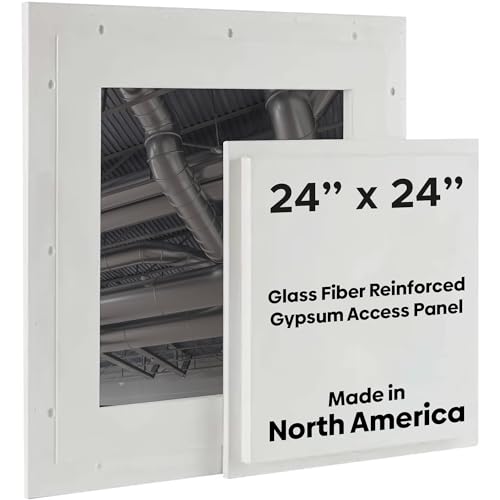
✅ Durable, Long-Lasting Construction: The BA-GRG-SC square corner access panel is crafted from robust glass fiber reinforced gypsum, offering excellent durability and long-term performance. Designed for flush installation, it seamlessly blends into drywall ceilings while maintaining its structural integrity and appearance over time.

Perfect Primer asbestos sealer is an encapsulant and primer in one. It is specified for use over any surface or mastic. Perfect Primer encapsulates the mastic, and primes the floor to bond with your choice of new flooring materials such as: epoxy, tile, self-leveling cements, latex paint, glue down wood, sheet vinyl, etc.
How to Properly Prepare Surfaces for Painting

Are you gearing up to repaint a room but dreading the prep work? Trust me, taking the time to properly prepare your surfaces can make all the difference in how your final results turn out.
Start by inspecting your walls. It’s essential to scrape away any cracked or peeling paint—this not only helps you confirm a clean and stable surface, but it also helps prevent any issues down the road. Once that’s done, grab a sponge or cloth and clean the surface thoroughly to get rid of dust, grease, or oil. Not cleaning can lead to paint that just won’t stick, and nobody wants that frustration!
Now, let’s say you find some cracks or damaged areas while you’re prepping. Here’s the trick: use joint compound or spackle to fill them in, and let it dry completely. After it’s dried, give those spots a good sanding. A smooth surface is key to avoiding thick spots that could peel later on.
If you’re working with new drywall, applying a suitable primer is a smart move. This step really helps the paint bond better and gives you a nice foundation for your finish coat. For best results, consider using a color-changing indicator drywall repair putty that signals when it’s dry and ready for sanding or painting.
Recommended Products

Professional-Grade Taping Tool – Designed for precise and consistent application of joint compound on flats and butt joints

LIGHTWEIGHT BUILD FOR LONG HOURS Weighing just 7.1 lb, the Mirka electric drywall sander reduces fatigue during extended sanding on ceilings and walls—ideal for popcorn ceiling removal, painting prep, or full-room renovation work.
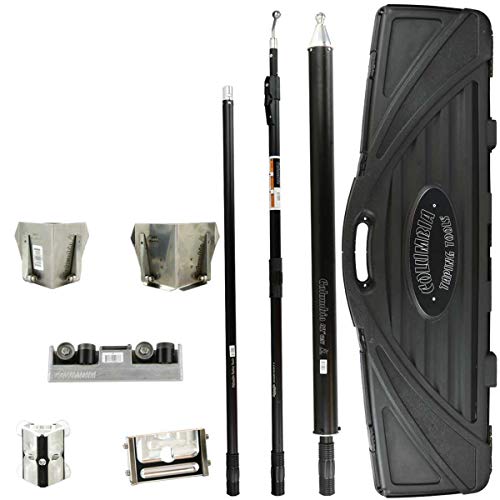
Full Drywall Taping and Finishing Set for Flat Seams, Inside and Outside Corners
Choosing Quality Paint to Prevent Peeling
Choosing quality paint is crucial if you want to avoid the frustrating issue of peeling, especially after you’ve done some drywall repairs. High-quality brands like Sherwin-Williams Duration or Benjamin Moore Regal Select are worth considering because they really step up the game in terms of adhesion and flexibility. This plays a big role in minimizing the chances of your paint peeling off down the line.
Before you grab that brush, make sure you apply the right kind of primer. An oil-based primer is a solid choice here—it really boosts the bond between the paint and the wall and helps keep moisture from sneaking in. If you’re tackling a room that deals with high humidity, don’t skimp on moisture-resistant paints; they’re designed to last longer and withstand those pesky damp conditions.
Now, let’s talk about paint application. Thicker coats of acrylic paint can outperform standard latex paints when it comes to adhesion, which means you’ll end up with a stronger finish. Don’t forget to keep an eye on your repaired surfaces, too. Regular checks for peeling and addressing any moisture problems can make a big difference in maintaining the integrity of your paint job. Additionally, applying a finish coat after texturing can improve dust resistance and durability, contributing to a longer-lasting paint surface.
Recommended Products
【Introducing Our Exquisite Masterpiece】- A spacious and meticulously crafted 8.5' x 11' sanctuary, where every detail exudes unparalleled craftsmanship, including double doors, double-pane glass windows, sleek hardware, and integrated screens and blinds.
ESTATE-SIZED MASTER SUITE LUXURY: Command your bathroom renovation with this massive 102 inch bathroom vanity. Designed as a 102 inch double vanity masterpiece, this set provides a wall-to-wall custom cabinetry look that anchors any grand master suite with unmatched architectural presence and scale

PREHUNG: Door comes pre-assembled with a frame. Fully finished, Ready to install. Can't be customized.
Spotting Low-Quality Paint: What to Watch For
Have you ever painted a room only to find the paint peeling off a few months later? It can be frustrating, to say the least. To avoid this headache, it’s crucial to spot low-quality paint before you even crack open the can.
First, take a moment to check the adhesion. If the paint feels sticky or doesn’t stick well to surfaces, it’s a red flag. Next, think about flexibility. Low-quality options often crack or peel when temperatures change. Honestly, you want something that can handle a bit of heat and cold without falling apart.
Moisture is another biggie. If the paint can’t resist moisture, it’s more likely to fail quickly, especially in bathrooms or kitchens. Coverage matters, too; if the pigmentation is poor, you might end up with uneven spots that show wear and tear sooner than expected. So, always look for paints that mention compatibility with drywall or joint compound. If they don’t, you might be setting yourself up for peeling problems down the line.
Also, never overlook the expiration date on paint cans. Using expired paint can lead to separation and those awful odors that stick around long after you’re done painting.
In addition, ensuring the patched wall surfaces are properly prepared and smooth can significantly improve paint adhesion and prevent peeling.
To wrap it up, paying attention to these signs can save you a lot of trouble. Why take chances with your next paint project when all it takes is a little bit of awareness?
Frequently Asked Questions
What Causes Paint to Peel off Drywall?
Paint peels off drywall due to moisture, inadequate surface preparation, incompatible paint types, and poor application techniques. We should control temperature and humidity effects to guarantee a durable finish that stands the test of time.
What Sealant Stops Paint Peeling?
Think of sealants as the unsung superheroes of paint longevity. By choosing moisture-controlled options with proper surface preparation and high-quality primers, we can boost adhesion and paint quality, keeping peeling at bay for good.
How to Fix Drywall Paint Peeling?
To fix drywall paint peeling, we should use proper drywall preparation techniques, select high paint quality, control humidity, guarantee proper drying times, prioritize surface priming, and verify repair material compatibility for lasting results.
Should I Paint Over Paint That Is Peeling?
We shouldn’t paint over peeling paint! Instead, let’s focus on proper surface preparation, addressing moisture issues, and using effective painting techniques. Repairing thoroughly guarantees paint adhesion, preventing future problems and saving us from costly replacements.