


Have you ever noticed cracks or peeling in your drywall tape? It’s one of those frustrating home issues that can crop up seemingly out of nowhere.
Unfortunately, drywall tape isn’t invincible; improper application is a common culprit, such as skimping on mud or not embedding it properly.
Moisture can wreak havoc, too. Whether it’s from leaks or just high humidity, water damage can be a sneaky reason for those unsightly tape problems.
And if you’re in a new home, remember that? Settling can happen, especially during those first couple of years, leading to cracks when you least expect them.
Environmental changes shouldn’t be overlooked either. Fluctuations in temperature can exacerbate existing issues.
So, keep an eye on these factors because being proactive can save you a lot of headaches down the road.
When it comes to fixing these issues, there are a few things you can try. If you notice cracks, make sure to remove any loose tape and mud, then reapply with the right amount of joint compound.
Don’t forget to use a fresh coat of paint to help seal everything up nicely.
Honestly, it’s worth staying on top of these common problems. You might even want to check your drywall tape every few months to catch issues early.
Have you tackled drywall repairs before, or is this your first rodeo?
Key Takeaways
- Improper application techniques can prevent drywall tape from being adequately embedded in joint compound, leading to cracking or peeling.
- Inadequate mud usage, such as not using enough joint compound, can contribute to weak adhesion of the drywall tape.
- Water damage manifests as bubbling or peeling tape and can significantly weaken drywall integrity.
- Extreme humidity and temperature fluctuations can cause moisture absorption, resulting in expansion and contraction of drywall tape.
- New home settling can induce stress on drywall joints, resulting in cracks appearing within the first year post-construction.
Common Causes of Drywall Tape Cracking
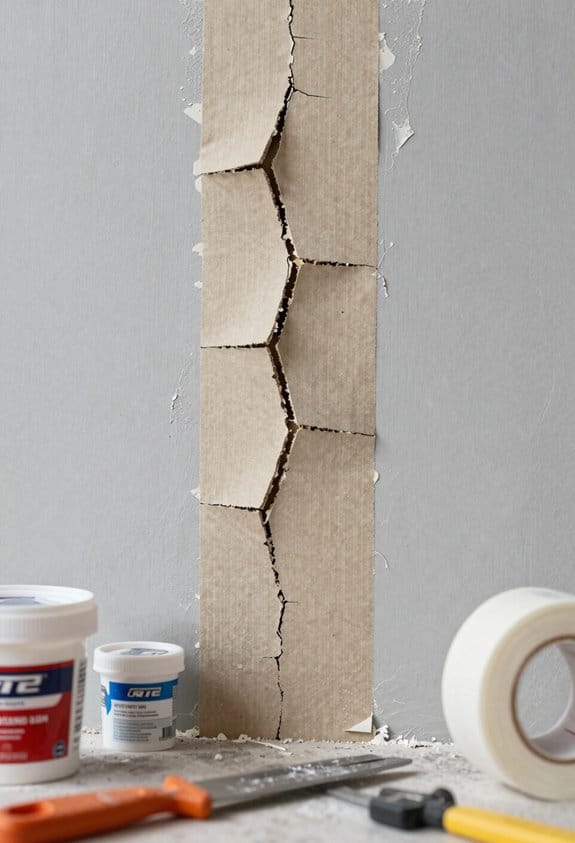
Have you ever noticed cracks in your drywall tape and thought, “What did I do wrong?” It’s frustrating, right? Understanding the common causes of drywall tape cracking can really help you maintain a smooth and attractive finish in your home.
One of the big culprits is improper application. If the tape isn’t embedded well in the joint compound or if you use the wrong kind of mud, you’re setting yourself up for trouble. Those mistakes can cause cracks to show their ugly faces over time. Water damage from leaks is another serious issue. It can weaken the adhesive properties of drywall tape, which makes it easier for the tape to lift and crack.
Extreme changes in humidity and temperature can also wreak havoc. When your drywall expands and contracts, it can lead to cracks, especially around the seams where the tape is applied. And let’s not forget about foundation issues. Shifting soil or settling can create persistent cracks that lead directly to tape failure.
So, what can you do about it? Start by ensuring you’re applying the tape correctly. Use quality materials and pay attention to your environment—keep an eye on those humidity levels and temperature swings. Honestly, a little proactive maintenance goes a long way in preserving both your drywall and your budget. Additionally, choosing the right joint compound formulation can prevent cracking and improve the durability of your repairs.
Recommended Products

GENUINE LEVEL5 | If quality, performance, and reliability of your finishing tools matters, choose LEVEL5 brand tools.

GENUINE LEVEL5 | If quality, performance, and reliability of your finishing tools matters, choose LEVEL5 brand tools.

GENUINE LEVEL5 | If quality, performance, and reliability of your finishing tools matters, choose LEVEL5 brand tools.
How New Home Settling Affects Drywall Integrity
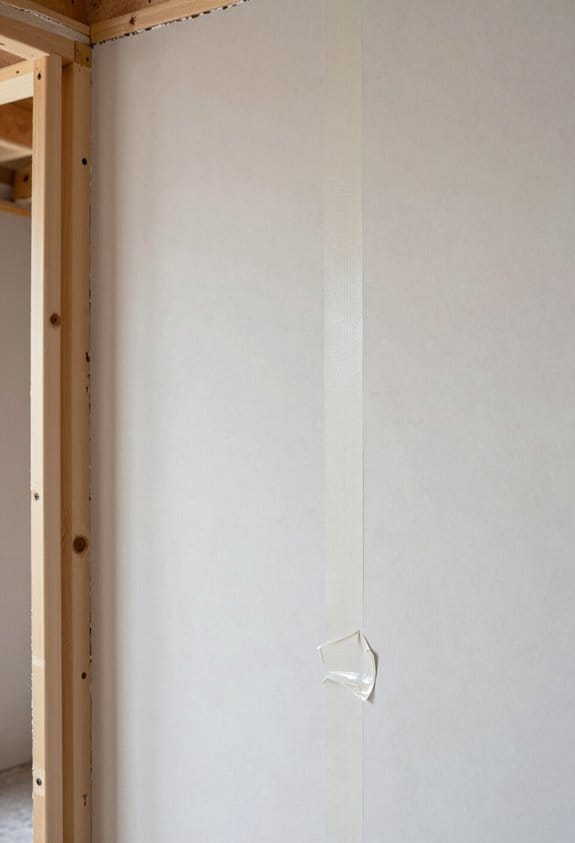
When you move into a new home, one of the surprises you might not expect is the drywall cracks that can pop up after a while. Why does this happen, you ask? Well, new homes settle as the foundation adjusts to the weight of the house and the surrounding soil. Over time, this settling can lead to some hairline fissures or noticeable separations, especially along joint lines and edges. You might start to see these cracks arise in the first year after construction, often made worse by temperature changes.
Most homeowners think, “I’ll just wait until the house settles completely.” While it’s tempting to put off repairs, it’s really important to keep an eye on those cracks. Here’s the trick: monitor any changes in the size of the cracks or if new ones start appearing. If the cracks get bigger or more numerous, that could be your signal that there’s something deeper going on, not just the normal settling of your home.
So, what should you do? If you’re noticing persistent or expanding cracks, it might be worth your time to call in a professional. They can assess the situation and recommend fixes. Sometimes, just adding a bit more drywall mud can help, but you’ll want to make sure there’s not a bigger issue hanging around.
Truth is, settling is a normal part of a new home’s life, but staying proactive about it can save you from bigger headaches down the line. Have you noticed any cracks in your walls? It might be time to take a closer look and see what’s happening! Using DAP Wallboard Joint Compound can be an effective way to achieve a seamless finish when repairing drywall seams caused by settling.
Recommended Products

This product adds a great value

This item is Crawford's Quart Spackling Paste

ALL PURPOSE USE: Ideal for wall repairs and finishing, this lightweight joint compound offers smooth application and easy sanding for professional results on drywall projects.
How Water Damage Affects Your Drywalls
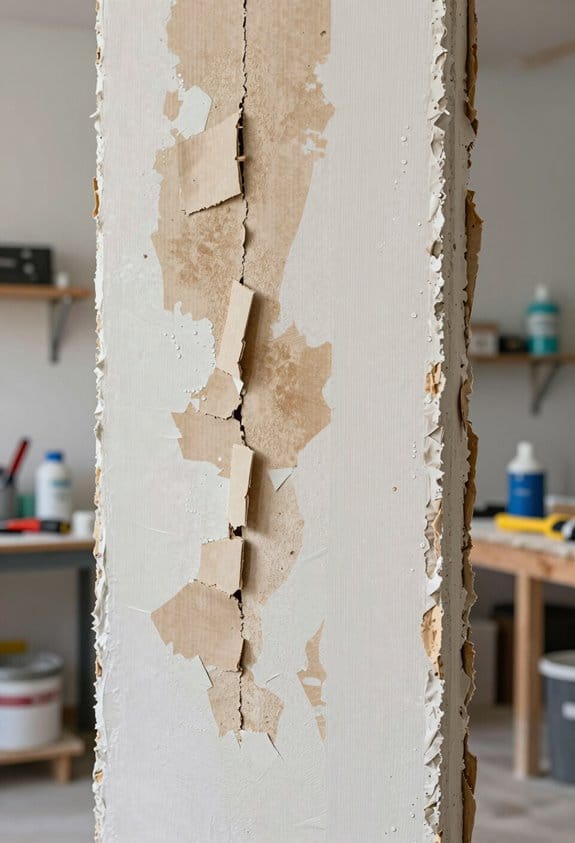
Ever noticed those ugly water stains creeping up your drywall? It’s a hassle, and it can really throw a wrench in your home’s vibe. When drywall absorbs moisture, it doesn’t just look bad—it can start cracking and losing its structural integrity. You might see those unpleasant discolored patches that are just begging for some attention.
Here’s the trick: when moisture gets into the drywall, it messes with the tape that holds it together. You might find bubbling or peeling along the seams, making your walls look even worse. If you let this go unchecked, it can lead to some pretty serious problems down the road, including full-on drywall deterioration. So, why does this matter? Because addressing leaks quickly saves you from much bigger—and more expensive—repair jobs.
You should really keep an eye out for signs of water damage, like wet cracks or mold growth. These issues require immediate attention to prevent further harm to your drywall. Regular inspections are your best ally here. Just check your walls every now and then and stay ahead of any lurking problems. Using stainless steel tools for drywall repairs can also help ensure durable and effective fixes.
Recommended Products

Flexible and durable Faraday tape: Extremely high-shielding conductive adhesive tape will not rip or tear without strong force or scissors
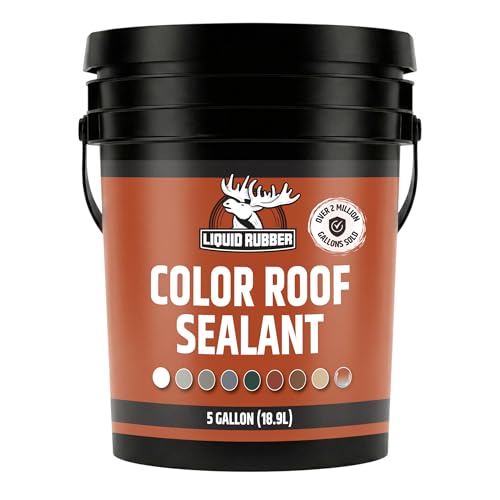
WATERPROOF ELASTOMERIC ROOF SEALANT: Liquid Rubber Color Roof Sealant is a liquid rubber waterproof coating designed for flat roofs, low-slope roofs, and metal roofs. Forms a seamless, flexible membrane that helps stop roof leaks and water intrusion while protecting the roof for years to come

PREMIUM VAPOR BARRIER TAPE: TapeManBlue’s 4 inch x 180 foot long roll of vapor barrier tape is designed to protect your projects in unexpected weather conditions. At 9 mil thick, the crawl space tape is highly durable, insulating, and designed to be UV resistant. Our seam tape is perfect for crawlspace encapsulations, underlayment for floating floors, marine preservation, patching and repair projects, and surface protection during outdoor projects.
The Influence of Climate Control on Drywall
Have you ever noticed cracks appearing in your drywall? One common culprit could be the climate in your home. A stable climate control system plays a big role in protecting drywall. When temperature and humidity levels aren’t regulated, drywall can really take a hit over time.
Think about it: excess humidity makes drywall absorb moisture. This moisture weakens the tape that seals the seams, potentially leading to those annoying cracks we all dread. And here’s the truth: if your home doesn’t have proper climate control, the constant expanding and contracting can cause lasting issues.
So, how do you combat this? It might be worth investing in modern thermostats and climate systems. By doing so, you can greatly reduce the chances of damage caused by environmental factors. Proper climate regulation doesn’t just keep that drywall intact; it helps maintain the overall integrity of your home, cutting down on problems like tape peeling and cracking.
Additionally, choosing a premixed joint compound with crack-resistant properties can help prevent damage caused by fluctuating indoor conditions.
In the long run, effective climate control can enhance not only your home’s appearance but its lifespan too. So, what steps can you take to make sure your drywall stays in top shape? It’s something to consider for the sake of your living space!
Recommended Products

STRONG FIBERGLASS CONSTRUCTION: Durable fiberglass mesh tape provides reliable joint reinforcement for drywall seams and repairs. Ideal for long-lasting wall patching and spackle applications.

SUPERIOR SEALING: Fiber-reinforced formula ensures leak-free HVAC systems, improving energy efficiency and performance

Waterproof Drywall Adhesive: The adhesive provides waterproof bonding for drywall installation.
Spotting Foundation Issues From Cracks
Have you ever noticed cracks in your drywall and wondered what they really mean? They might seem like just a cosmetic issue, but those cracks can actually point to some serious foundation problems. When you see cracks forming in a stair-step pattern around door frames or windows, it often means there’s excessive pressure on your foundation that needs attention.
Keep an eye out for cracks that are larger than a quarter-inch or any drywall that starts to bow. These signs typically indicate it’s time to call in an expert. Nail pops and cracks that keep appearing, or that seem to get worse over time, might mean your foundation is still moving. And if your windows or doors are sticking or not opening smoothly, that could go hand-in-hand with your drywall issues.
So, why does this matter? Addressing these signs early can save you a lot of hassle and money down the line. Remember, catching foundation stability issues before they escalate is key. Try checking your walls regularly for any new signs or changes. Using a wall repair kit promptly can help prevent further damage while you schedule professional repairs.
In short, if you notice any of these issues, don’t hesitate to seek professional help. It’s better to be safe and ensure your home remains strong and stable. Have you checked for these signs in your own home lately?
How to Identify Water Damage in Drywall
When it comes to drywall, water damage can sneak up on you, right? Identifying it early can save you from major headaches down the road. Start by checking for those weird discolored patches or wet cracks—those are often telltale signs of leaks from either your roof or plumbing. Also, keep an eye out for peeling paint; this could mean there’s moisture hiding underneath that needs your attention.
Bubbling tape and a musty odor aren’t just annoying; they’re pretty solid clues that water’s trying to crash your drywall party. It’s all about regular inspections, especially in places like your basement and near plumbing fixtures. The more you check, the better your chances of catching any issues before they get out of hand.
Here’s the trick: don’t just look—touch it! If the drywall feels saggy or soft, that’s a huge red flag that it might have absorbed water. Before you start thinking about cosmetic fixes, you really need to identify where the water is coming from. This is crucial because repairing the source first can keep your drywall strong and standing tall.
In short, know the signs, check often, and don’t wait too long to take action. Have you ever faced unexpected water damage? It makes you think twice about your home maintenance, right? To ensure lasting repairs, consider using moisture-resistant drywall in areas prone to water exposure.
DIY or Pro: Repairing Drywall Tape?
How do you know if you should fix that drywall tape yourself or call in a pro? If it’s just some hairline cracks without any peeling, you can usually take the DIY route. Grab some spackling compound and sandpaper, and you could manage the repair without too much fuss.
But what if you notice that the tape has started to peel away? That’s a different ball game and often indicates a bigger problem lurking beneath the surface. In those cases, you’ll need to remove the old, failing tape, and you’ll want to add a new piece with the right joint compound. A key tip here: steer clear of all-purpose mud at every stage of the repair. It can lead to tape lift, which is definitely something you want to avoid.
Facing significant peeling or a major tape failure? It might be time to call in the pros. They’ve got the experience to handle these tricky situations and can ensure that the repair lasts. For optimal results, using fiberglass mesh drywall joint tape can provide strong reinforcement and reduce the chance of future cracks.
Recommended Products

High Strength Fiberglass: Fiberglass mesh fabric is tough, non-deforming, resistant to pulling and tearing, anti-aging, can withstand sudden changes in temperature, and easily dissolves in oily liquids such as styrene. Stereotypes do not fall off, can easily solve the problem of wall cracking.

Pack of 10 - Adfors FibaFuse Paperless Drywall Joint Tape 2-1/16 in. x 500 ft. White

ALUMINUM PERFORATED PATCH: Durable 6 x 6 in. aluminum patch designed for easy wall and ceiling repairs. Ideal for covering wall holes and reinforcing damaged surfaces in your home.
Frequently Asked Questions
Why Is My Drywall Tape Peeling?
Our drywall tape’s peeling could be due to poor tape adhesion from insufficient mud, moisture control issues, or inadequate surface preparation. We should inspect these areas to guarantee a lasting and seamless finish.
What Makes Drywall Tape Crack?
Did you know poor drywall installation techniques contribute to 30% of tape issues? We’ve found that improper joint compound application and environmental factors, like humidity, frequently lead to cracking in drywall tape during the drying process.
How Do You Tell if a Crack Is Cosmetic or Structural?
We can tell if a crack is cosmetic or structural by evaluating its width and pattern. If we notice cosmetic defects or wider cracks, it’s time for a repair assessment to check for potential structural damage.
How to Keep a Drywall Patch From Cracking?
Like a well-tended garden, our drywall patches thrive with the right techniques. By mastering drywall patching techniques, applying moisture prevention methods, and choosing the right paint, we can stop cracking in its tracks.


