
When it comes to drywall work, have you ever found yourself overwhelmed by the sheer number of trowels available? It can feel like a maze trying to pick the right one for your project.
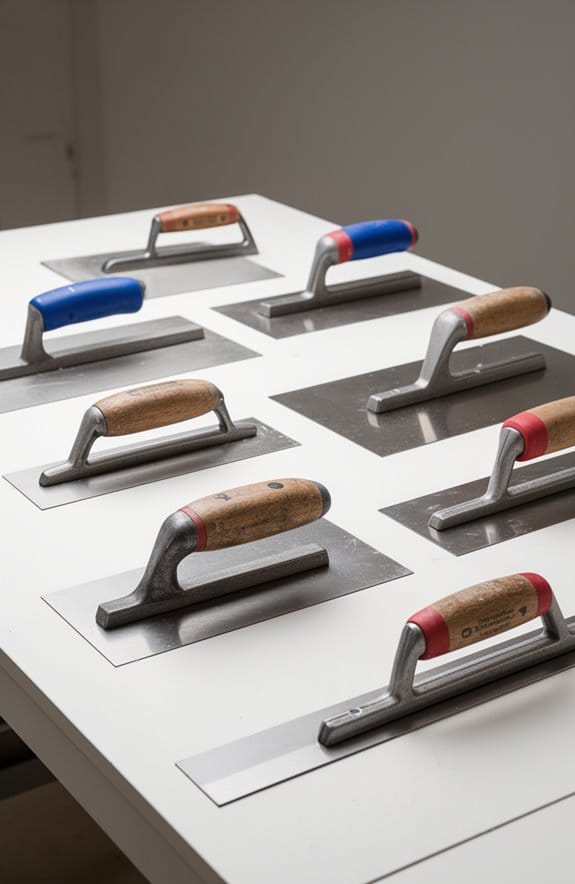
Flexible trowels with a blade length between 11 to 18 inches are great for tackling textures and larger surfaces. If you’re aiming for that perfect smooth finish, a straight-handled trowel can be your go-to because it offers durability.
So, what’s the deal with blade flexibility? It makes a big difference. Go for a flexible blade if you’re working with thinner layers of mud; it’s easier to maneuver. On the other hand, a stiffer blade is your best friend when applying thicker textures.
And don’t overlook comfort—soft grips can be a lifesaver to help reduce hand fatigue during those long sessions.
Honestly, picking the right trowel might seem like a small detail, but it can really impact the overall quality of your work. Not only does it matter what type you choose, but the size and grip can also play a role in how efficiently you get the job done.
So next time you’re in the tool aisle, take a moment to consider your options carefully. In short, understanding the different types of trowels can make a huge difference in your drywall projects.
What trowel will you reach for on your next job?
Key Takeaways
- Flexible trowels are ideal for applying textured drywall mud, allowing for smooth finishes and effective coverage.
- Straight-handled trowels are built for durability and provide superior control in achieving smooth surface finishes.
- Specialized finishing trowels come in various shapes and sizes to tackle specific tasks for professional results.
- Blade size and flexibility impact performance; larger trowels cover wide areas quickly, while smaller ones assist with detailed work.
- Comfort features, like soft grips and ergonomic designs, minimize hand fatigue during extensive drywall projects.
The Importance of Choosing the Right Drywall Trowel

Ever tried to finish drywall but ended up with more lines and bumps than you bargained for? Choosing the right drywall trowel can really make all the difference in getting that smooth, professional finish you want. There are so many different types out there, each designed for specific jobs like applying textures or just smoothing things out.
When you’re picking a trowel, don’t forget to think about its flexibility and shape. A trowel with a well-contoured blade will help reduce any visible lines in your work. It’s also worth checking out trowels that have soft grips; your hands will thank you after a long day, especially on those bigger projects. And if you’re covering large areas, look for one with a long, curved blade. They can really speed things up!
It’s also essential to understand details like handle types and blade sizes before you buy. These small things can seriously impact how your finishing work turns out. So, why does this matter? The right tools can make the task less of a chore and more of a rewarding experience. Selecting a trowel with ergonomic handles can significantly reduce hand fatigue and improve application control.
Using Drywall Trowels for Achieving Optimal Finishes
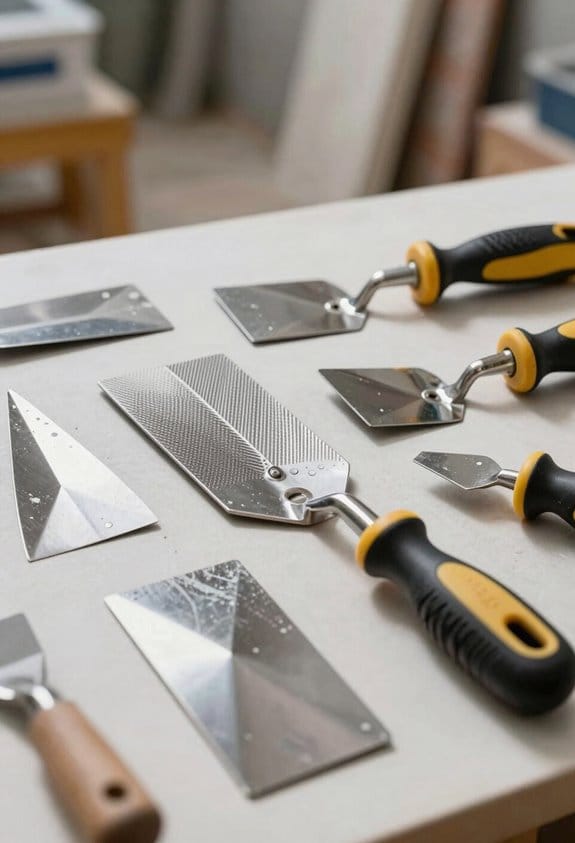
When it comes to drywall, have you ever found yourself struggling to get that perfect finish? The right trowel can make all the difference. Drywall trowels are designed with flexible edges that help you achieve a smooth surface and apply textures with ease. It’s worth it to choose finishing trowels that feature a soft grip since they can really cut down on hand fatigue during those longer jobs.
So, what should you look for? Straight-handled trowels are a solid choice because they tend to be more durable, an absolute must when you’re in the thick of smoothing walls and ceilings. The long, curved blades let you cover larger areas in a snap, speeding up your project without sacrificing quality. For best results, pair these trowels with lightweight joint compounds.
Here’s the trick: sharp trowels result in cleaner applications. This little detail can save you a lot of time later on by reducing the need for heavy sanding. Think about it – the less time you spend sanding, the quicker you can complete your project.
Additionally, tools with ergonomic handle designs help reduce hand fatigue and improve control during extended drywall finishing sessions.
Truth is, following these tips can help you consistently nail that professional finish in all your drywall work. It’s not just about having the right tools; it’s about using them effectively. Have you tried any trowels that worked wonders for you?
Recommended Products

TIME = MONEY | Make the shift from hand finishing tools to automatic tools and dramatically increase your finishing speed with no compromises in quality.
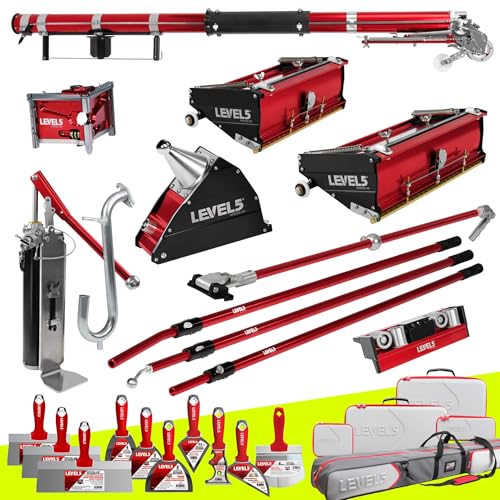
GENUINE LEVEL5 | If quality, performance, and reliability of your finishing tools matters, choose LEVEL5 brand tools.

FAST LEARNING CURVE | Once you've used automatic drywall finishing tools, you'll wonder why you didn't start sooner.
Exploring Different Types of Drywall Trowels

Are you tired of seeing lines and imperfections when finishing drywall? Choosing the right trowel can make all the difference in how your project turns out.
Flexible trowels are a go-to for applying textured drywall mud. They’re fantastic for achieving that professional finish without leaving visible lines. If you’re aiming for knockdown textures, give one of these a shot. On the flip side, straight-handled trowels are built tough for smoothing surfaces, especially using methods like stomping.
Most drywall trowels come in sizes ranging from 11 to 18 inches long and about 4.5 inches wide. That variety is great because it gives you options based on what you need. If you’re looking for that super smooth finish after installation, don’t overlook specialized finishing trowels. These come in different shapes and sizes, so you can pick one that suits your project perfectly.
So, why does this matter? The right trowel isn’t just about the tool; it’s also about the kind of finish you want to achieve. You want a look that’s clean and professional, right?
In addition, using a trowel with an ergonomic handle design can significantly reduce hand fatigue during extended projects.
Recommended Products

FAST LEARNING CURVE | Once you've used automatic drywall finishing tools, you'll wonder why you didn't start sooner.

EVERYTHING YOU NEED | This full drywall finishing kit contains the tools necessary to complete most sheetrock jobs. Premium stainless steel is a must for a long wear life
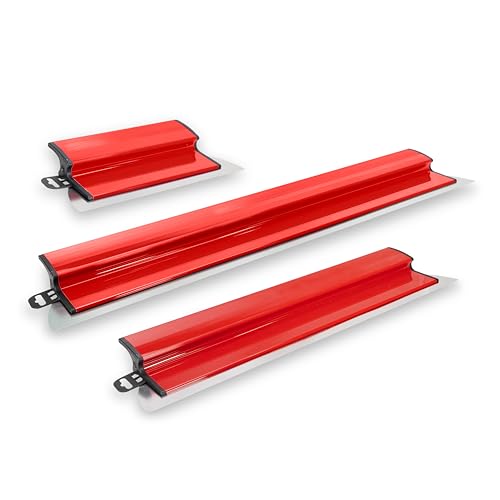
COMPLETE KIT: Professional drywall tool kit includes three ProSkim tools in 12-inch, 24-inch, and 31.5-inch sizes for versatile skim coating applications
Key Features to Consider When Selecting Drywall Trowels
When it comes to tackling drywall projects, choosing the right trowel can make all the difference. So, how do you know which one to pick? Start by thinking about blade flexibility. If you’re aiming to apply knockdown textures, a flexible trowel works wonders. On the other hand, if you’re dealing with thicker coatings, a stiffer blade is your best bet.
Comfort counts too. Opt for a trowel with a soft grip, especially if you’re working on larger areas for a while. It’ll help you avoid that pesky hand fatigue that can slow you down. Have you ever used a trowel that felt like a brick? That’s not what you want.
For those bigger projects, longer curved blades are the way to go. They offer a more consistent finish, which cuts down on your time spent smoothing things out. Straight-handled trowels shine when it comes to wall smoothing, plus they’re typically pretty durable for all sorts of drywall tasks. Whatever you do, don’t underestimate the importance of the handle.
Now, let’s talk size. It matters more than you might think. Larger trowels, ranging from 11 to 18 inches, are perfect for handling extensive areas. If you’re working in tight spaces or doing detailed work, smaller trowels (around 7 inches) are your friend. Using the right tools, including quality patch products with high-quality fiberglass mesh patches can also significantly improve the finish of your drywall repairs.
Recommended Products

SAVE TIME & MAKE MORE MONEY | Enhance your drywall finishing process by using the LEVEL5 flat box to apply a smooth, evenly spread coat of joint compound over seams with lightning speed. By using automatic drywall finishing tools like this flat box, you'll save valuable time and increase your profitability.

The largest selection of tools manufactured to the highest quality standards

STAINLESS STEEL SKIMMING BLADE SET: KEZERS Drywall Knife Set includes five skimming blades (12", 22", and 32"), a 35"-81" extension handle, a high-impact handle adapter, and a portable storage box
Troubleshooting Common Problems When Using Drywall Trowels
Are you tired of dealing with visible lines and uneven finishes when working with drywall? It’s frustrating, right? The good news is that fixing this is often about mastering a few simple techniques and making sure you’ve got the right tools.
Here’s the trick: make sure your trowel blades are sharp. Dull blades can really mess up your wall and leave you with a finish that makes you groan. Also, think about how long you’re using the trowel; hand fatigue can sneak up on you. To keep comfy while you work, grab trowels that come with ergonomic grips. Trust me, your hands will thank you.
What about mixing your compound? That’s crucial too! You want to aim for a lump-free mix to apply it evenly. This helps to prevent cracking down the line, which is a major pitfall many run into. So take your time mixing; a little patience goes a long way here.
And let’s not forget about cleanup. Cleaning your trowels after each use is a must. Buildup can really mess with your future applications, leading to a bad finish. It doesn’t take long, and it pays off big time for your next project. Using tools with easy access cleaning mechanisms can significantly facilitate this process.
To sum it up, keeping your trowels in great shape and focusing on your mixing technique can totally lift your drywall game. Have you faced any tricky drywall challenges lately?
Recommended Products


PROFESSIONAL GRADE | Designed and built using nearly 20 years of input from professional finishers. Our tools are meant for reliable, daily use on the job site.

Composite Skimming Blade Set: 10", 16" & 24" Blades
Tips for Keeping Your Drywall Trowels in Great Shape
Ever noticed how your drywall trowels can start to feel a bit worn out over time? Taking care of these tools is key to making sure they work well and last longer.
First off, cleaning your trowels after each use is a must. Just grab a damp cloth and wipe them down to keep plaster build-up at bay. This simple step will save you from dealing with tough cleanup later and helps maintain the trowel’s condition.
Take a moment to inspect the blade, too. Is it sharp? If you notice any nicks, it’s time to take care of them. A sharp blade is crucial for achieving that smooth finish you’re after. Plus, it makes your work a whole lot easier!
Don’t forget the handle. If it has a soft grip, check for any signs of wear. A comfortable handle means you can work longer without discomfort. It’s those little things that make a big difference in your overall experience.
When it comes to storage, the right place is essential. Keep your trowels in a dry, cool spot where moisture can’t reach them. Moisture is a sure way to invite rust, and nobody wants that.
And if you’re on the move, you’ll want to protect those edges. Using sheaths or protective cases is a solid idea to avoid any accidental damages while you transport your tools.
For prolonged tool life, consider the benefits of using materials with corrosion resistance to prevent rust and wear.
Recommended Products

Professional Skimming Blade Set: This comprehensive drywall skimming tools kit includes 10", 16", 24" and 32" drywall skimming blades as well as the other 0.5mm spare blades of 4 sizes, a 28"-61" extension pole, two paint rollers with 7" and 9" width, a 7" Arc-shaped feeding shovel, a 4" spackle knife and a 3" Multi-purpose taping knife. The drywall knifes set has been developed for exceptional quality and performance, ensuring a smooth application of sludge with remarkable sensitivity, so that end users can achieve consistent and professional results every time

PROFESSIONAL BLADES SET: 10 inch, 14 inch, 24 inch, 32 inch, 40 inch blades set, 6.5 inch arc scraper with 35-81 inch handle,5 inch Taping Knife,Set of 2 -9 inch Drywall Compound Roller, 5 inch Taping Knife offer outstanding quality, performance and features. They move mud effortlessly and with high sensitivity, enabling finishers to complete their jobs efficiently with consistent, professional results

PREMIUM MATERIALS | 0.7mm triple-hardened gold flat stainless steel blades and lightweight powder-coated aluminum handle mount.
Frequently Asked Questions
What Are the Different Types of Trowels and Their Purpose?
We’ve got countless trowel types, sizes, shapes, and materials! From specialty trowels to ergonomic handles, each brand brags about trowel techniques and maintenance. Their history? It’s a wild journey through drywall mastery we can’t ignore!
How Do I Know Which Trowel to Use?
To know which trowel to use, we should consider size, material, and application technique. Following trowel selection tips and avoiding common mistakes guarantees professional results. Always handle our tools safely and maintain them properly for best performance.
Should I Use a Notched or V Notch Trowel?
When we tackle drywall installation, we often ponder trowel types. For texture applications, a notched trowel guarantees smooth coverage, while a V notch trowel offers precision in plastering techniques. Let’s choose wisely for efficient surface preparation!
What Is the Difference Between Skimming and Finishing Trowels?
Skimming trowels, wider and longer for large surfaces, excel in skimming techniques, while finishing trowels, smaller and versatile, work well with various texture techniques. We should choose appropriate trowel materials and sizes to avoid common mistakes.