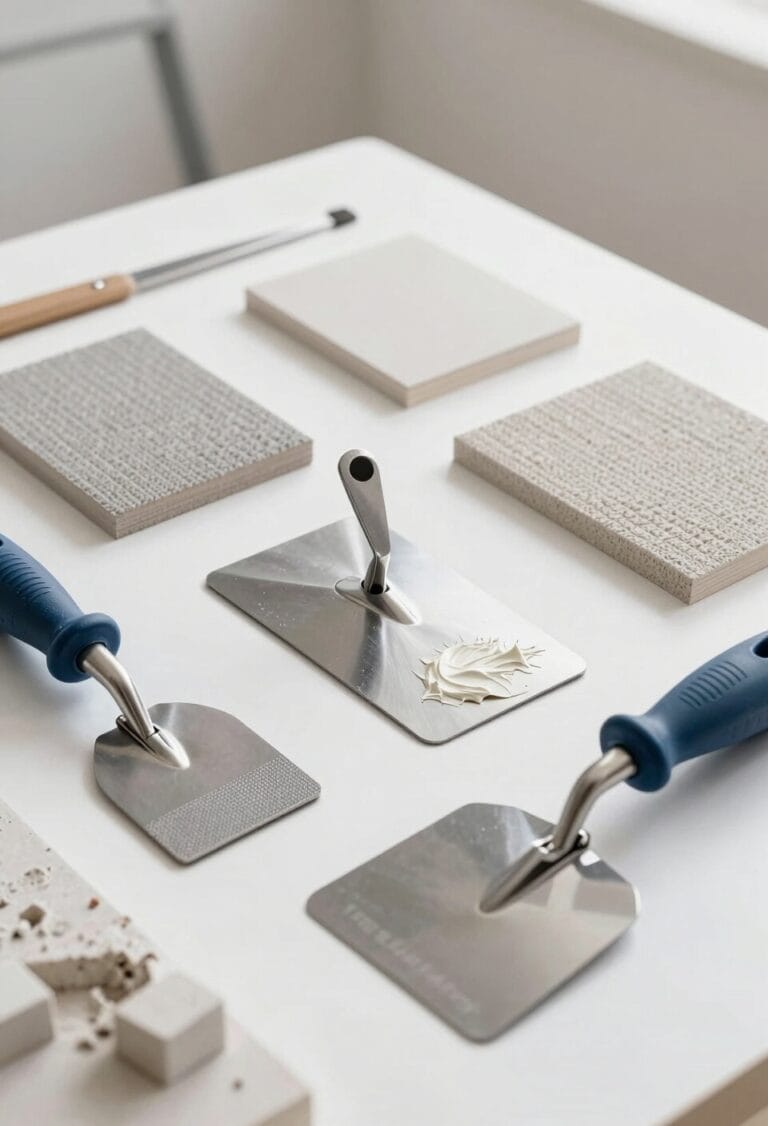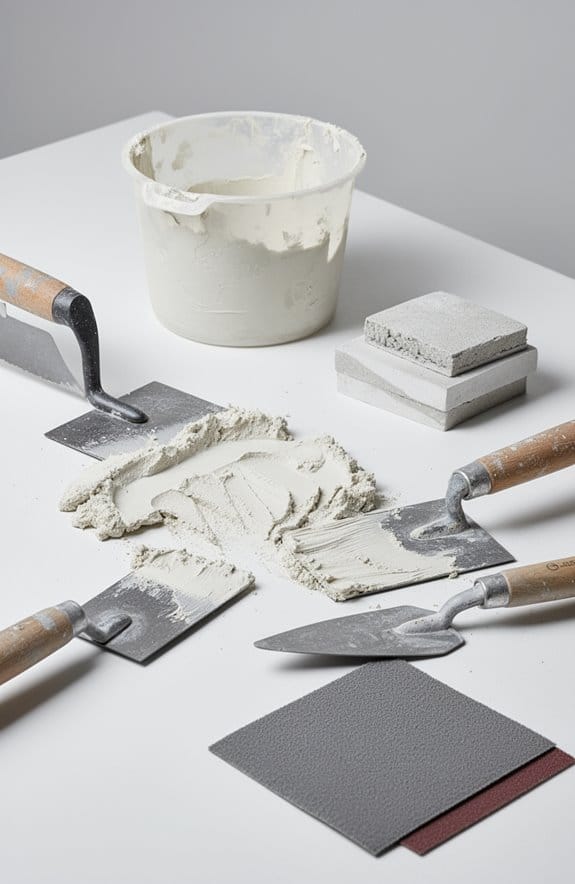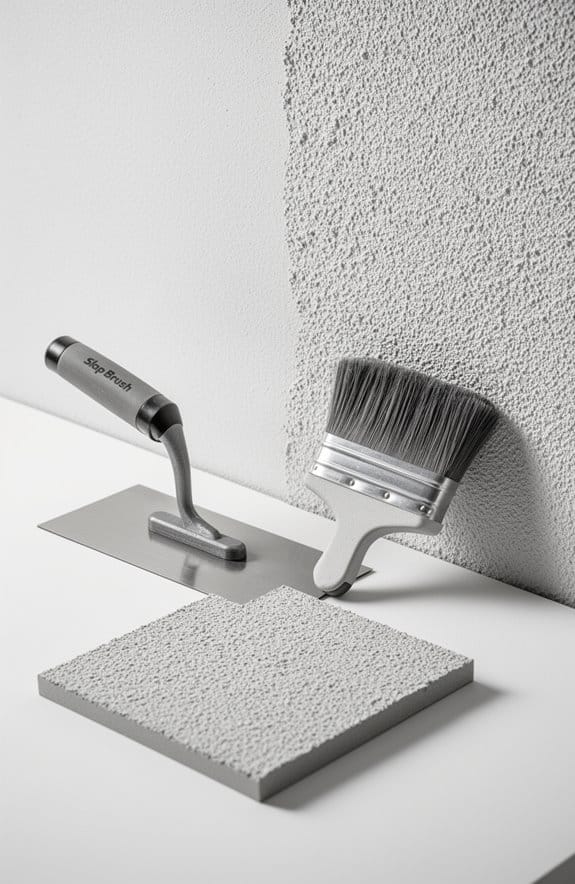

Have you ever looked at your walls and thought, “Ugh, how can I cover up these imperfections?” If so, slap brush texture might just be the solution you need. This technique not only hides flaws but also gives your walls and ceilings a unique character that can brighten up any space.
To create slap brush texture, you’ll start by rolling joint compound onto the surface. Then, grab a stiff-bristled brush and start slapping the compound. It produces a random, stippled effect that’s eye-catching without being overwhelming. The best part? It’s perfect for high-traffic areas, like hallways or family rooms, where wear and tear tend to show up the most.
Try this: when applying the texture, aim for a light touch at first. You can always go back and add more if needed. Ready for the trick? Keep your strokes random and uneven for that natural look. Trust me, it makes a world of difference.
So, why does this matter? Because slap brush texture gives you a stylish way to deal with those pesky flaws, and it’s something you can tackle on your own if you’re feeling crafty.
The process isn’t just effective; it’s also rewarding to see the transformation unfold.
In summary, slap brush texture is a practical choice for enhancing your walls while masking imperfections. Have you tried this texture before, or is it something you’re considering?
Key Takeaways
- Slap brush texture is a technique that uses a stiff brush to create stippled patterns on walls and ceilings, hiding imperfections effectively.
- This method is ideal for flawed drywall and enhances the aesthetic appeal of various spaces, offering a cohesive look.
- It dries bright white, providing a low-maintenance finish that complements both rustic and contemporary decor styles.
- Slap brush texture is particularly useful in areas prone to wear, such as family rooms and hallways, due to its durability.
- Application requires careful preparation, aiming for a level finish with a joint compound base and proper brush technique for texture creation.
What Is Slap Brush Texture and How Is It Created?
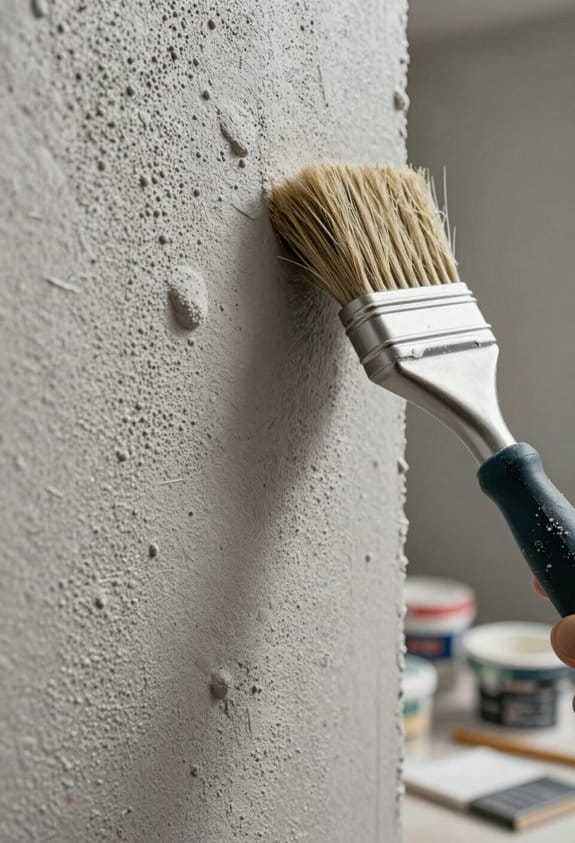
Struggling with unsightly blemishes on your ceilings and walls? Slap brush texture might be just what you need. This technique not only hides imperfections but also gives your home a unique touch.
To get started, roll a wet layer of joint compound onto the surface. You want the consistency to be similar to thick pancake batter. If it’s too thin, it’ll drip everywhere, and if it’s too thick, you’ll end up with clumps. Here’s the trick: once the compound is down, grab a stiff-bristled brush and start slapping it against the mud. This action creates stippled ridges in a random pattern, which is great for avoiding those annoying roller lines you might’ve seen before.
As you work, make sure to keep clean edges around your texture. You want it looking sharp and not messy. And the best part? This technique is perfect for drywall finishing. It not only improves the aesthetics of your ceilings and walls but makes everything look more cohesive in your space.
Additionally, choosing the right texture can enhance the acoustic performance of your room, making it both beautiful and functional.
So, why does this matter? When you put in the effort to achieve a nice finish, it adds to the overall vibe of your home. Next time you’re tackling a renovation project, consider giving slap brush texture a try. It could be just the upgrade you need.
In the end, transforming a dull space into something visually appealing doesn’t have to be complicated. Have you ever tried adding texture to your walls or ceilings?
Why Choose Slap Brush Texture for Your Home?
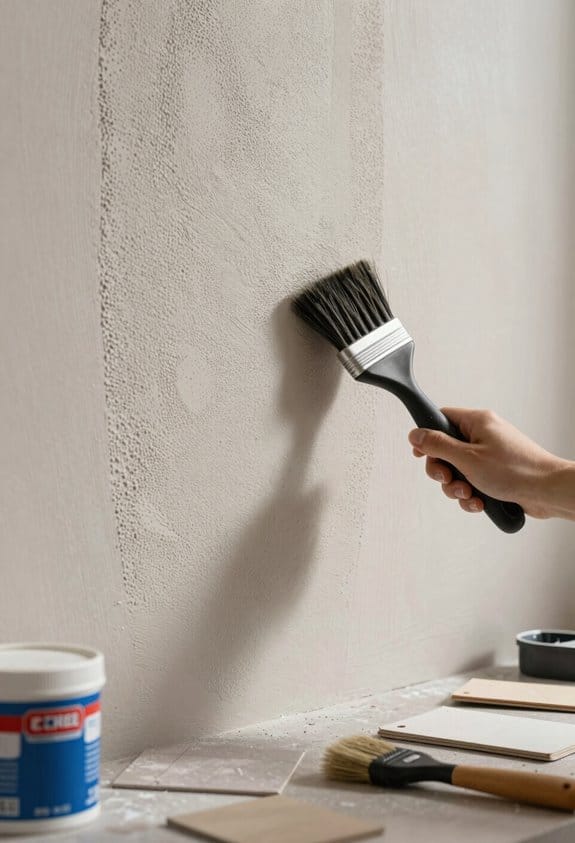
Are you tired of looking at those pesky imperfections on your walls and ceilings? If you are, slap brush texture might just be what you need. This technique is great for hiding little flaws in drywall, making it a solid choice for homes that aren’t totally perfect.
One of the best parts is that it dries a bright white, so you can skip the paint and enjoy a low-maintenance finish. It’s super quick to apply, which means you can cover larger areas in no time at all. The random patterns it creates not only help in concealing bumps and dings but also add a unique character to any room.
If you prefer a softer look, thinner applications can blend nicely with different decor styles. So, why does this matter? Well, slap brush texture brings together functionality and style seamlessly without overwhelming your space. Additionally, using durable materials like strike plate reinforcements in your home upgrades can significantly enhance security alongside aesthetic improvements.
Recommended Products

The Ultimate 3-in-1 Texture System: This professional drywall texture sprayer features interchangeable 4.0mm, 6.0mm, and 8.0mm nozzles to expertly spray popcorn and orange peel textures. Use the included knockdown knife or texturing sponge to transform the wet surface into perfect knockdown or sponge textures. One complete kit for all classic finishes

ALL PURPOSE USE: Ideal for wall repairs and finishing, this lightweight joint compound offers smooth application and easy sanding for professional results on drywall projects.

Where Can You Use Slap Brush Texture?
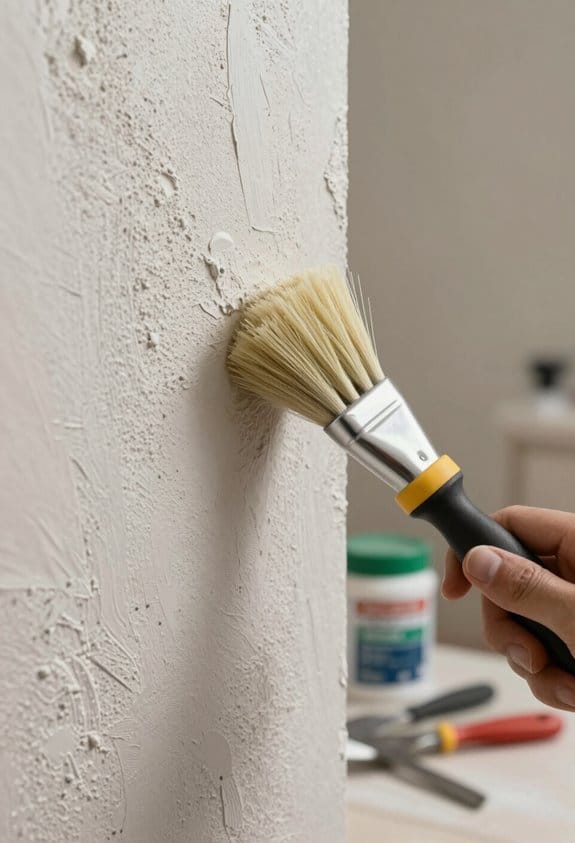
Applying slap brush texture can really elevate your space, and it’s not just for walls. Try it on ceilings, too! It’s a clever way to disguise imperfections while also adding some visual flair. This technique shines in high-traffic areas like hallways and family rooms, where walls take a beating and are prone to dings and scratches.
Think about it: slap brush texture creates a finish that’s both durable and attractive. You can even leave it unpainted, letting that fresh white look blend seamlessly with modern or minimalist styles. Plus, it works across various design themes, from rustic charm to sleek contemporary vibes.
So, where should you consider using this texture? Here are some ideas:
- Ceilings: Perfect for hiding flaws while drawing the eye upward.
- Hallways: Great for protecting walls from those pesky bumps.
- Family rooms: Ideal for areas that see lots of activity and need a sturdy finish.
Truth is, it can really enhance the overall aesthetic of any room. You just have to think about where it fits best in your space. Where would you try this texture in your home? Using expanding foam sealants beneath the surface can further protect and insulate textured walls.
Recommended Products

The product is 10X3X10 double text brush

The MARSHALLTOWN Double Crows Foot Brush is used to create a high quality textured finish to drywall.

Durable Tampico Filament: Tougher and more rigid than horsehair.
How to Perfectly Apply Slap Brush Texture?
Are you tired of those boring wall textures that just don’t add any character to your space? A professional-looking slap brush texture can really amp up your walls, but it all starts with a bit of prep work.
First, you’ll want to make sure your surface is nice and smooth. Aim for a Level 3 finish, and grab a paint roller to lay down a base coat of joint compound. Mix the joint compound until it’s creamy—think pancake batter—then let it rest for a bit to let any air bubbles escape before you start slapping.
Now for the fun part: applying the slap brush texture. Use a double-header brush and create a good amount of mud on your brush. The key here is to slap it against the wet compound while rotating the brush. This avoids creating any obvious patterns and gives a nice, organic look. You’ll want to let it dry for about 5 to 10 minutes. After that, gently wipe the edges of the texture with a taping knife. This little step helps you create those smooth transitions that really make the texture pop.
So, what if you mess up or want to make some adjustments? Here’s the trick: tackle those touch-ups while everything is still wet. This way, it blends right in with the rest of your texture without leaving any marks.
In the end, a slap brush texture is a simple way to boost your walls and give them that lived-in, stylish vibe. Remember to wear protective equipment like a dust mask and goggles to stay safe when working with drywall compounds.
Ready to give it a try? What’s stopping you from tackling that next DIY project?
Recommended Products

This product adds a great value

Sheetrockplus 3 lightweight all purpose wallboard joint compound, ready-mixed, 4.5 gallon - ri-01275

Dap 10102 12 Lb Wallboard Joint Compound
Troubleshooting Common Slap Brush Issues
Troubleshooting slap brush texture issues can be a bit of a headache. Ever noticed those uneven areas? Here’s a simple tip: after your initial application, try cross-rolling those sections. It really helps smooth things out and gives you more consistent coverage.
Now, let’s talk about those pesky roller lines. They can definitely show up if you’re not careful. Keeping a wet edge during your work is crucial; it ensures everything blends nicely. Cleaning your roller regularly is another good move—this prevents excess buildup that can leave those annoying lines on your walls.
What if the texture feels too thick? Consider adjusting the consistency of your mud. Aim for something like pancake batter; it’ll make the application a lot smoother. And if you spot any noticeable flaws? It’s easier than you think. Just reapply some mud and blend those patches while the compound is still wet.
Finally, it’s essential to avoid repeating patterns. You want a natural look, right? Rotating your brush during application is a great way to achieve that randomness and enhance your overall finish.
In short, just pay attention to these details, and you’ll be on your way to a much better textured surface. Using moisture-resistant drywall in areas prone to humidity can also help maintain the integrity of your texture work. What’s your biggest challenge when it comes to DIY projects like this?
Recommended Products
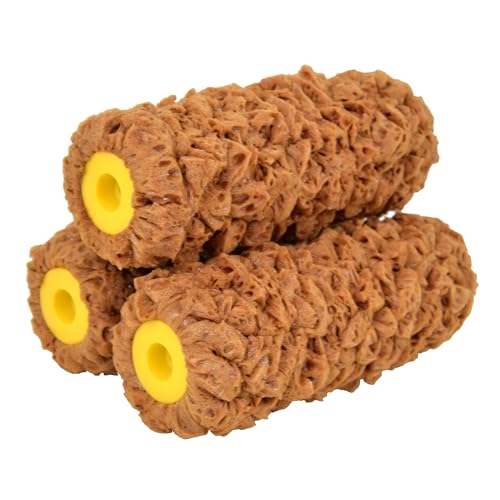
FAST & EASY WALL MAKEOVER: Achieve beautiful textured walls quickly and effortlessly. This sponge roller simplifies the painting process, allowing you to complete your home renovation projects faster than ever.
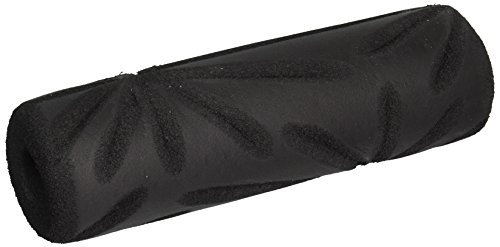
Country Of Origin: United States

Frequently Asked Questions
What Is a Slap Brush?
A slap brush is a tool we use to create diverse textures on surfaces. The slap brush technique produces unique patterns, offering pros like aesthetic appeal while having cons that may require more time than simpler styles.
What Drywall Texture Is Most Popular?
While slap brush texture’s popularity shines, we can’t ignore its competition. Each finish type has its pros and cons, influenced by regional preferences, application methods, and evolving style trends, making our choices diverse yet personal.
What Is the Purpose of Knockdown Texture?
The knockdown technique gives our walls a unique texture application, enhancing wall aesthetics in DIY projects. By mastering surface preparation and material selection, we can elevate our home renovation design choices and achieve effective drywall finishing.
How to Remove Slap Brush Wall Texture?
To tackle slap brush removal, we can explore various texture scraping methods. Using heat or moisture helps us, then we’ll focus on wall repair techniques and finishing drywall surfaces for a flawless look before painting.