
When you’re deciding between spray and hand-applied textures, it’s easy to feel overwhelmed. Both methods have their perks, but they’re suited for different types of projects and styles.
If you’re tackling a large area, spray textures can be a real time-saver. They can cover around 200–300 m² in a single day, needing just one coat most of the time. This means less labor on your end, which is always a plus, especially if you’re looking to finish a project quickly.
On the flip side, if you’re working on something smaller—like a room or a feature wall under 50 m²—hand-applied textures might be right up your alley. They allow you to create unique designs but often require two to three coats.
Let’s talk about costs and equipment. Spray tools can range from $5,000 to $20,000, which is a pretty hefty investment for many DIYers. Hand tools, on the other hand, usually cost just a few hundred bucks, making them more accessible if you’re on a tighter budget.
So, why does this matter? It all boils down to what you’re aiming for. Think about your project size, your budget, and the look you want to achieve. Each method has its own charm and can really impact the overall feel of your space.
The best part is, both can lead to stunning finishes if you choose wisely.
In the end, whether you go for spray or hand-applied, each has its strengths. Which method speaks to you more for your next project?
Key Takeaways
- Spray textures are more efficient for large jobs, covering up to 300 m² in a day, while hand-applied methods cover only about 100 m².
- Hand-applied techniques allow for creative customization and unique textures, providing a personal artistic touch not achievable with spray methods.
- Spray application offers a consistent finish with fewer coats needed, typically one compared to two or three for hand-applied textures.
- Initial costs for spray equipment are higher, ranging from £5,000 to £20,000, while hand tools are significantly more affordable.
- Desired aesthetics and project size are key factors in choosing between spray and hand-applied methods, balancing efficiency and creativity.
Overview: Spray vs. Hand-Applied Textures
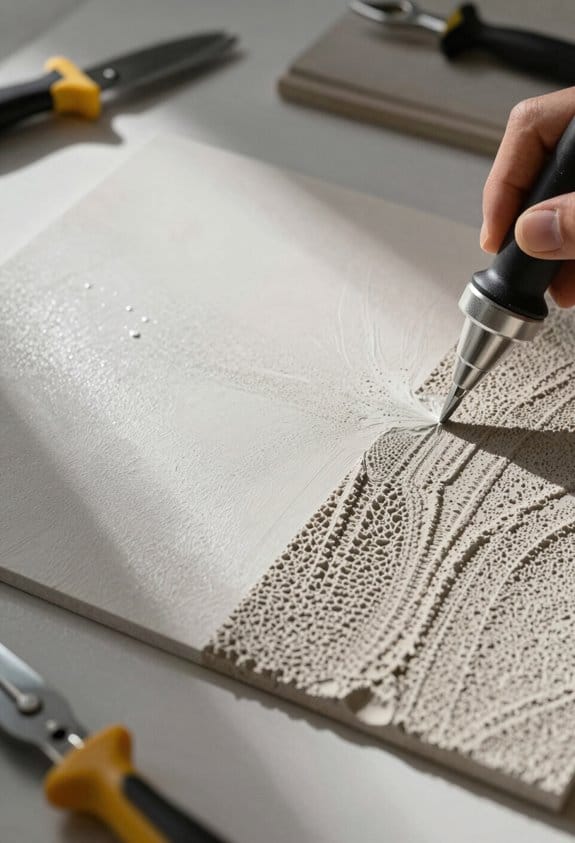
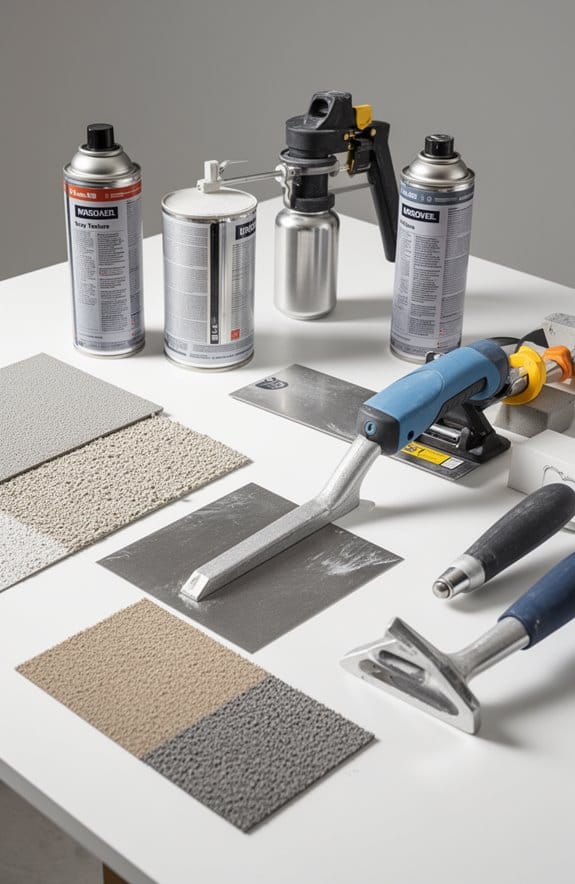
When considering spray textures and hand-applied methods, it’s good to know the pros and cons of each. If you’re facing a large wall or ceiling, spray textures can save you a lot of hassle. They’re applied with special machines that cover big areas quickly, which can cut down labor time and your overall project costs by about 20-30%. This method also gives you a consistent finish, making it perfect for larger jobs where uniformity is key.
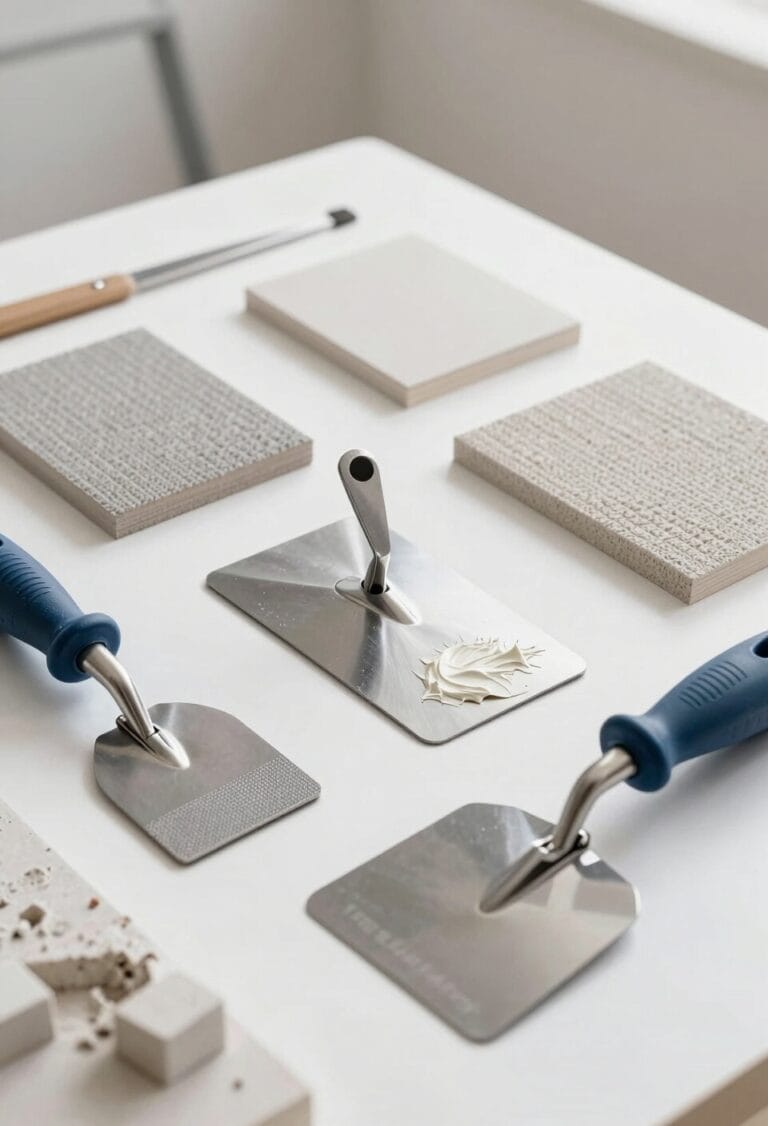
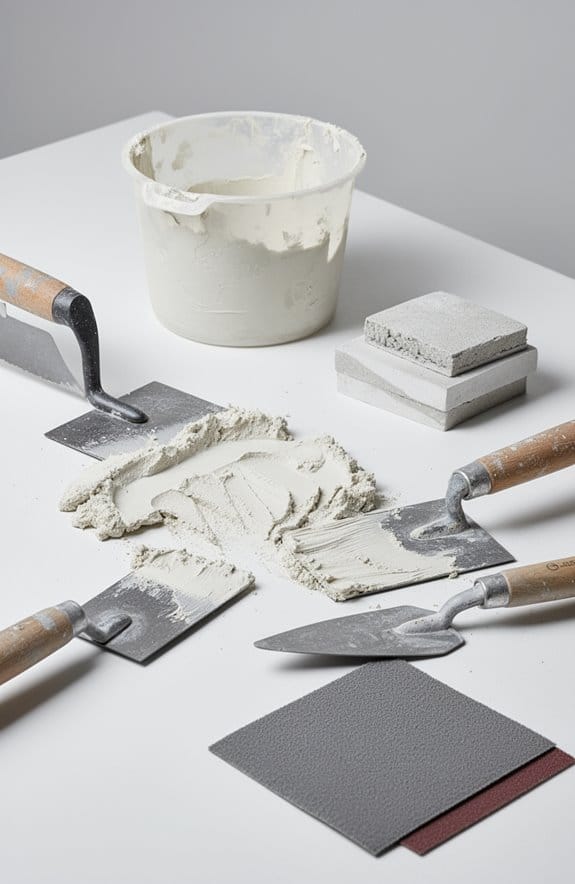
On the flip side, hand-applied textures bring in a lot of creativity. Using traditional tools like trowels and brushes allows for some serious customization, which can lead to stunning, unique patterns that reflect your style. Just think about it: the artist’s technique plays a big role in how your surface ultimately looks. Each stroke can create different effects, meaning every project can end up looking one-of-a-kind.
So, why does this matter? If you want a speedy, even texture for a big space, spray application is the way to go. But if you’re after something special and artistic, hand application might be a better fit. Just keep in mind that with hand application, you may need to put in more time, perhaps with multiple coats, but the results can truly stand out.
In the end, deciding between these methods is all about your project’s size and the look you’re after. Think about what matters most to you: speed and efficiency, or artistry and detail? Finding the right balance can help you achieve that perfect finish. For hand-applied textures, using tools like plastic putty knives can offer better control and smoother application of fillers. What do you think would work best for your next project?
Choosing Between Spray Texture and Hand-Applied Methods: Key Factors to Consider
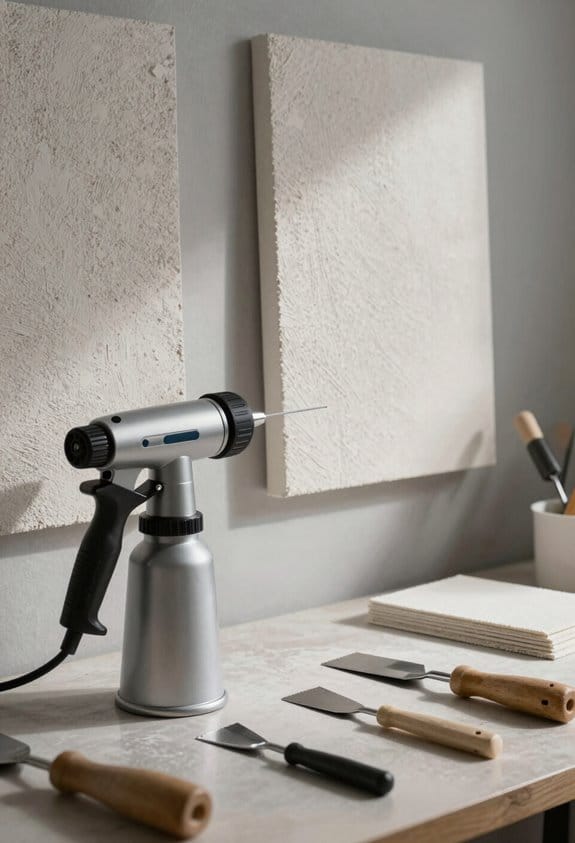
When you’re deciding how to apply texture to your walls, you’ve probably run into a couple of key questions. Cost is definitely a biggie. Spray texture equipment can set you back anywhere from £5,000 to £20,000, while hand-applied tools are much lighter on the wallet. If you’re tackling a smaller project—say, one that’s under 50 m²—going the hand-applied route often means you can save quite a bit.
Now let’s talk about timing. Spray application typically gets you that even coverage in just one coat, which is pretty great for quick projects. In contrast, hand applications usually need two to three coats to look decent. So, if you’re working under a tight schedule, think about what method fits your timeline best.
Another thing to consider is the finish you want. Spray textures give you a uniform, consistent look, which is great for a clean aesthetic. On the flip side, hand-applied techniques let you create unique textures that can add personality to your space. Have you thought about what vibe you’re aiming for in your room?
Additionally, it’s important to remember that coverage area should align with your ceiling size to ensure you have enough material for your texturing project.
Ultimately, weighing these factors can help you make the right choice for your project. Take your time and consider what’s most important to you, whether it’s saving money, sticking to a deadline, or achieving that perfect finish. What’s your main priority when choosing your texturing method?
Recommended Products

✔️ PREMIUM MEDICAL & INDUSTRIAL STANDARD: London Labs nitrile gloves are tested to meet U.S. and international medical gloves standards, including ASTM D6319, ASTM D6978, and EN 455 Parts 1–4. Designed for chemical resistance, they protect against fentanyl & chemotherapy drugs. London Labs disposable gloves are trusted by hospitals, labs, medical supplies and EMT professionals, these puncture resistant gloves offer safe, reliable protection for doctors, nurses, dentists & caregivers.

BEAUTIFUL GENUINE RECLAIMED WOOD: We use all real reclaimed barn wood. Every piece of our wood is unique with the knots and dents of actual use. Black backing is applied to any holes to ensure that the material below the wood never shows.

Handcrafted 3D Sandstone Texture & Premium Materials: This unique piece of 3D wall sculpture art begins with laser-cut precision and is meticulously layered with real sand particles. Each relief wall art panel is hand-finished with multiple passes to create an authentic, textured sandstone surface.
Key Differences in Application Techniques
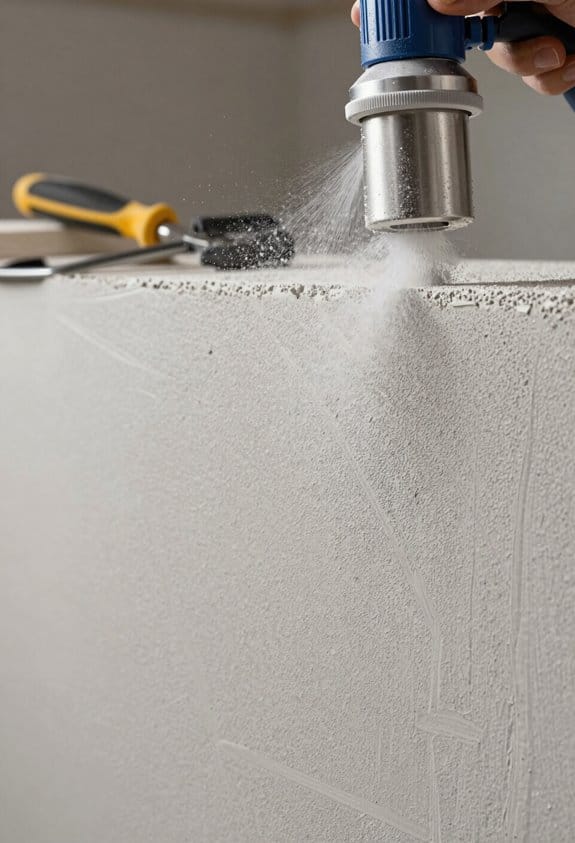
Are you tackling a drywall project and stuck deciding how to apply texture? It’s a common dilemma, but understanding the differences in application techniques can really help you make a choice that suits your needs.
Spray textures and hand-applied methods each have their own unique approach. With spray textures, specialized machines allow you to cover a ton of ground—up to 300 m² in a single day with just two operators. On the flip side, hand-applied techniques rely on basic tools like trowels and brushes, often bringing in three to four people to cover about 100 m². That adds up!
Another thing to consider is how many coats you’ll need. Spray methods typically only require one coat to achieve the desired look, while hand-applied finishes may need two to three coats to get the same effect. The best part is that spray textures create a consistent look, minimizing those pesky imperfections like hawk lines. But if you’re looking for customization, hand-applied textures let you personalize the finish to your liking. So, why does this matter? Choosing the right method can save you time and effort on your project.
In the end, figuring out which technique to use really comes down to your project needs and personal preference. Are you looking for a quick application with a clean finish, or do you want the flexibility to play around with textures? Whatever you choose, consider these factors and you’ll be on the right track to a successful drywall finish. Remember that using reliable materials and tools, like those found in a wall patch repair kit, can enhance your results and durability too. What’s your go-to method when it comes to textures?
Recommended Products
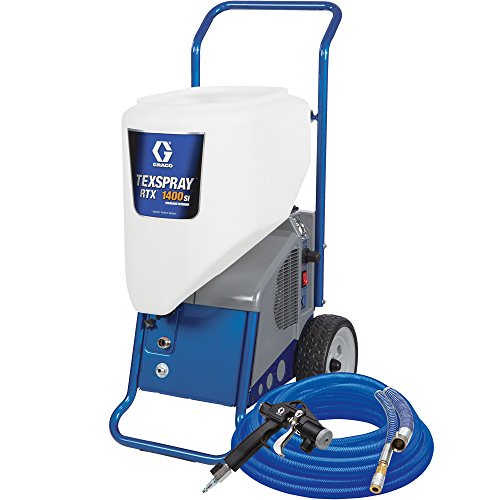
The RotoFlex ll pump delivers smooth material flow for uniform coverage and a consistent spray pattern - 1. 4 gpm output to get the job done quickly

Pressure-Boosted hopper gun is pressurized for increased material flow and unmatched productivity

TOP OF THE LINE TEXTURE PUMP SPRAY GUN FEATURES MACHINED BRASS BODY FOR ULTIMATE DURABILITY - Finest small area drywall texture sprayer in existence!
Speed and Efficiency of Drywall Textures: Which Method Is Faster?
How can you really tell which drywall texture application is faster? If you’re deciding between spray-on texture and hand-applied methods, you might be surprised by the difference. Spray techniques are definitely the way to go if speed is what you need. With just two people on the job, spray-on texture can cover about 200–300 m² in a single day. That’s impressive, right? On the other hand, hand-applied methods are slower, requiring 3–4 laborers and only managing to cover 50–100 m² daily.
Plus, when it comes to the number of coats needed, spray applications usually only need one to nail that final finish. In comparison, hand methods often require 2–3 coats, which really starts to eat into your project timeline. So, why does this matter? If you have a large job—say over 300 m²—this speed can cut down not just on project duration but also save you time and money.
Now, it’s true that hand techniques can give you those unique artisan textures that some folks love. But let’s be real—the efficiency of spray-on applications is tough to beat when you’re working in bigger spaces where time and labor costs are important. Using a texture gun hopper with large tank capacity can further enhance efficiency by reducing refill time during spraying.
Aesthetic Impact: Choosing the Right Texture for Your Space
Choosing the right texture for your space can really change the vibe. So, have you ever walked into a room that just felt right? It’s often the textures on the walls that make a difference. Spray textures, like Orange Peel and Knockdown, are perfect for larger areas. They give a consistent look while helping with sound-dampening, which is great if you’re in a noisy neighborhood or just want a bit more peace and quiet.
On the other hand, if you’re aiming for something more unique, hand-applied textures like Skip Trowel and Swirl can add a touch of artistry to your walls. These styles let your personality shine through and can really complement a custom interior. They create that warm, lived-in feel that makes a house a home.
Here’s a thought: why not mix textures? Blending different styles within the same room can introduce some exciting visual interest. It’s totally in line with contemporary design trends and helps you balance practicality with a dynamic aesthetic. You can have a little fun experimenting with various textures!
In the end, the choice of texture can really dictate the atmosphere of your space. So, what vibe are you trying to create? A fresh, modern feel or something cozy and inviting? By choosing wisely, you’ll ensure your space reflects exactly what you’re going for. Additionally, when hanging decor or heavy items on textured walls, consider the heavy duty wall anchors for a secure and lasting installation.
Comparing Costs: Budgeting for Spray vs. Hand-Applied Textures
When it comes to figuring out how to texture your walls, you might be wondering which method gives you the most bang for your buck. If you’ve got a big project, say a building over 300 square meters, spray texture could save you a good 20-30% on costs. It dries faster and needs fewer coats, which means you can get into your space quicker. But before you rush out to rent a sprayer, there’s something to consider: the initial investment for spray equipment can really add up, usually ranging from £5,000 to £20,000. That’s a pretty hefty number compared to the hundreds you’d spend on hand tools for traditional methods.
For smaller spaces, like those under 50 square meters, hand-applied textures might be the better choice. Why? Mainly because you won’t have to worry about all the setup that comes with spraying. Plus, you’ll likely save on labor since you can do it all with just a few people, rather than needing a crew to operate the sprayers.
Truth is, even though spraying is faster and needs fewer coats, it comes with its own costs. Don’t forget about the consumables like UV-resistant masking tape to control overspray. These little extras can add up, so it’s essential to factor them into your budget. Additionally, just as selecting the right shelf bracket requires attention to material durability, choosing the right texture application method demands consideration of the project’s size and complexity.
Project Suitability: Is It Right for My Project?
Which method works best for your project? It really comes down to what you want to achieve. If you’re tackling a larger space, spray texture might be your best bet. It can cover about 200–300 m² in just a day, bringing a nice, uniform look and saving you a ton of time.
On the other hand, if you’re dealing with smaller areas or have a specific design in mind, hand-applied techniques come in handy. They give you more control, allowing for those detailed touches that can really make a difference. Thinking about unique texture styles? You might find hand application better fits your vision.
Also, there are functional aspects to consider. For instance, spray textures like popcorn ceilings do a great job dampening sound. Plus, let’s not forget cost. In most cases, using spray equipment can really lower your expenses, especially for big jobs. Additionally, choosing a spray with an adjustable nozzle allows you to customize texture thickness for a perfect finish.
Recommended Products


🏡Introducing the Domi 12x20FT Gable Roof Gazebo - The perfect blend of timeless elegance and functional design. With its classic peaked roof, spacious interior, and superior structural stability, this gazebo creates a stunning outdoor retreat for socializing, dining, or relaxation.

MARSHALLTOWN's DuoFlex features two outlets for compressing air, providing maximum efficiency for air tools and hopper guns.
Maintaining Your Drywall Textures and Keeping Them Looking New
Maintaining drywall textures can be a bit of a hassle, but it’s essential if you want them to look fresh and new for years. Regularly inspecting your walls is a smart move—catching those tiny cracks or chips early makes repairs easier. If you notice any imperfections, you can fix them using a drywall compound that closely matches your existing texture. After applying it, be sure to let it dry fully before adding any primer to help it blend in seamlessly.
Cleaning your textured walls doesn’t have to be a chore. Just grab a damp cloth or a soft brush. But be careful—too much moisture can actually damage the texture. Think about avoiding harsh scrubbing tools, especially on surfaces like popcorn or knockdown, to preserve their original look.
What if you discover more extensive damage? In that case, you might need to cut out sections of drywall down to the studs. This can be tricky, especially with complex textures, so don’t hesitate to call in a pro if it seems overwhelming.
For best results, consider using water-based wall textures which offer low odor and easy cleanup for indoor repairs.
Taking care of your drywall textures doesn’t have to be complicated. Remember, a little maintenance goes a long way. How do you keep your walls looking sharp?
Frequently Asked Questions
What Is the Best Method for Painting Textured Walls?
To tackle textured walls effectively, we’ll use proper wall preparation essentials, choose suitable paint types, and pick the right tools. Considering texture durability, time efficiency, and cost analysis will guide our texture painting techniques and finishing touches.
What Are the Different Types of Drywall Texture?
There’re various drywall textures we can choose from, like Knockdown texture and Popcorn ceiling. We can also achieve a smooth finish using sanding techniques, or explore Skip trowel and faux finishes for unique styles.
What Is the Difference Between Orange Peel and Spray Knockdown Wall Texture?
When choosing between Orange Peel and Spray Knockdown textures, we find that Spray Knockdown offers better durability for high-traffic areas and requires skilled application tools. Cost analysis shows Orange Peel’s quicker texture application suits budget-conscious projects.
How Long After Spraying Texture Do You Knock It Down?
We usually knock down sprayed texture between 10 to 30 minutes, considering drying time factors like humidity. Proper surface preparation and texture thickness impact our technique, helping us achieve a seamless, blended finish.