
Have you ever stared at your walls and wondered what kind of texture they have? Figuring out your wall texture type isn’t as tricky as it sounds, but it can definitely feel overwhelming at first.
Start by looking closely for unique features—do you see bumps, swirls, or smooth areas? Give the surface a light rub to see how it feels. A smooth finish will feel very different from one that has a lot of pronounced patterns.
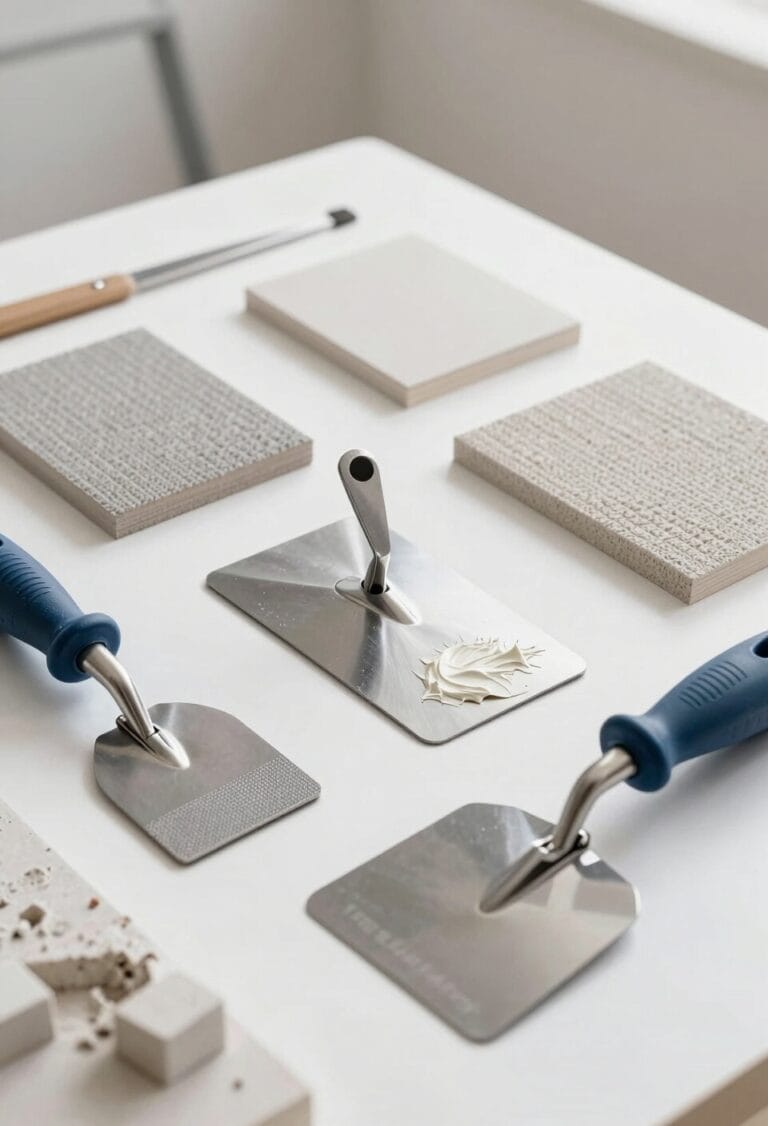
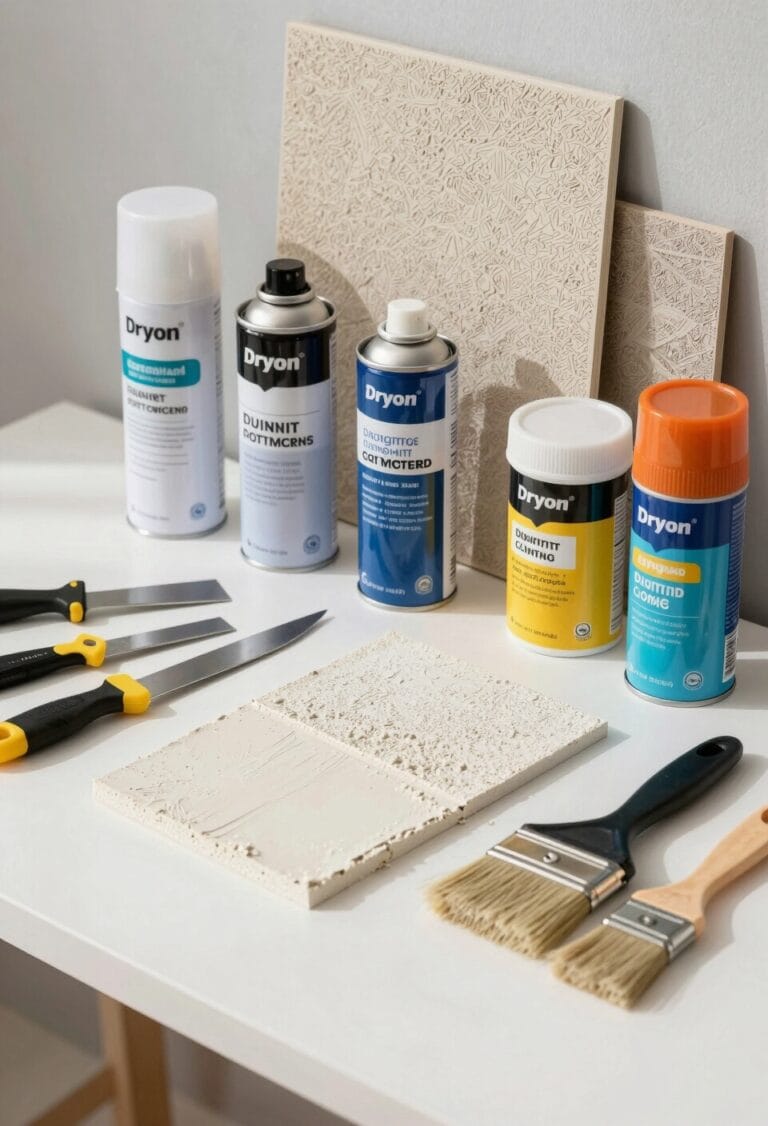
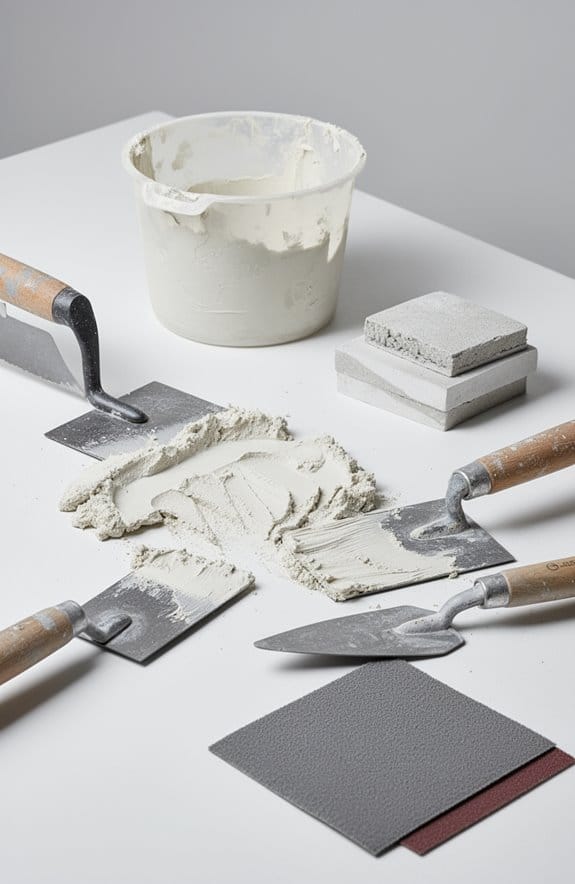
Here’s the trick: grab a drywall knife or a stomp brush to get a better look. These tools can really help you identify what you’re dealing with. But it’s not just about feel; lighting plays a big role, too. When you shine a light at different angles, you might catch parts of your wall that you didn’t notice before.
So, why does this matter? If you’re planning to paint or refinish, knowing your wall texture can save you time and headaches later. If you still can’t make heads or tails of it, don’t hesitate to consult a professional. Their expertise can really clarify things for you.
In short, by inspecting for unique features, using the right tools, and considering the lighting, you can uncover the mystery of your wall texture. Have you checked your walls yet? It’s a small step that could lead to some big improvements in your space.
Key Takeaways
- Examine the wall surface closely for distinct patterns like bumps or swirls to determine texture type.
- Gently rub the wall to differentiate between smooth finishes and pronounced textures.
- Use lighting to highlight depth and patterns, taking photos for reference under various conditions.
- Compare your findings to reference guides or online images for accurate texture identification.
- Consult with professionals if you suspect asbestos or need expert help with complex textures.
How to Identify Your Wall Texture: A Step-by-Step Guide for Homeowners
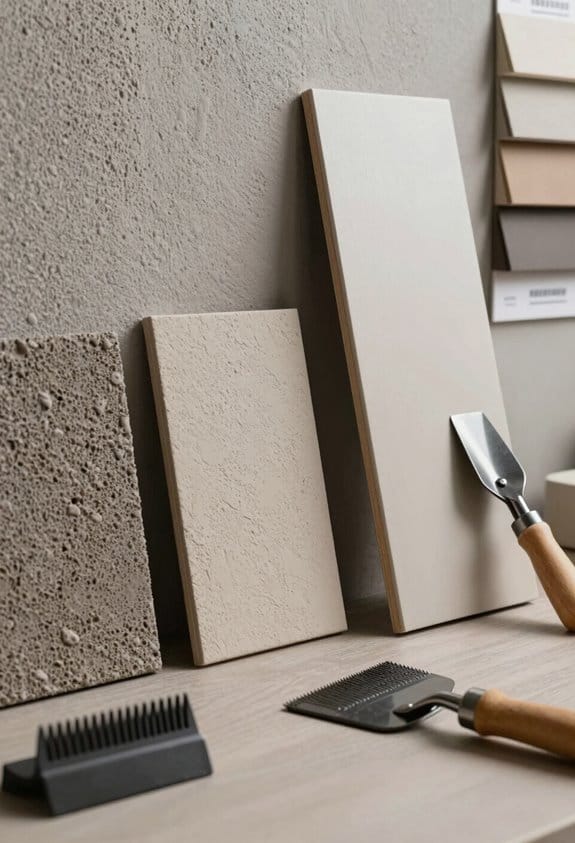
Have you ever stared at your walls and wondered what kind of texture they have? Identifying wall texture might seem daunting, but it’s easier than you think. Start by taking a good look at the surface. Check for any distinct bumps, swirls, or even smooth spots. This gives you a starting point for figuring out the texture.
Next, give the wall a gentle rub with your hand. You might notice flat finishes versus more pronounced textures, like knockdown or stucco. Feeling these variations is important. And if you’re unsure about what you’ve discovered, don’t hesitate to pull up some reference guides or online images to compare what you see and touch.
Engaging with builders or chatting with previous homeowners can really shed light on the textures they used. Their experiences can be pretty enlightening and may help you pinpoint exactly what you’re dealing with.
One more tip: take close-up photos of your walls in different lighting. This can help capture the details you might miss in the moment.
Also, understanding different ceiling textures such as Popcorn Ceiling Textures can provide insights into common acoustic and aesthetic finishes used in homes.
Recommended Products

Track Your World Travels in Style – This elegant tan oceans world map with pins doubles as beautiful wall décor and an interactive travel tracker. Mark countries visited and plan future adventures while creating a visual story of your journey.

Track Your Travels in Style! – This striking canvas World pin board map doubles as gorgeous wall art and a personal travel tracker. Spruce up your décor while tracking and reliving past adventures and inspiring a lifetime of wanderlust.

Track Your World Travels in Style – This vintage world map with pins combines timeless design with an interactive travel tracker. Mark countries visited and plan future adventures while creating a visual story of your journey.
Distinct Features of Common Wall Textures: Spotting the Differences
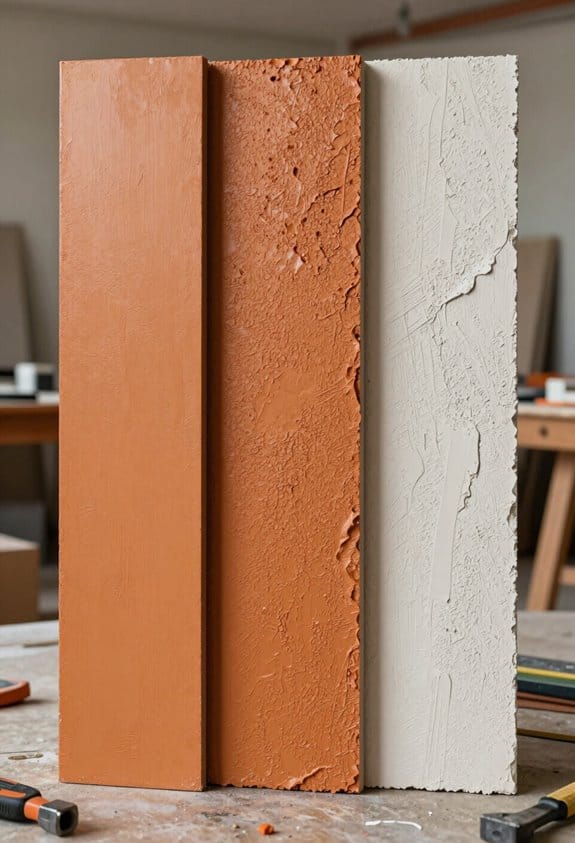
When you’re picking wall textures, have you ever felt overwhelmed by the options? Understanding the differences can really help you choose what’s best for your space or even identify what you currently have.
Take the orange peel texture, for instance. It has these subtle, evenly spaced dimples that give it a soft, understated look. Knockdown textures, on the other hand, sport a mottled appearance. You get this cool effect with flattened peaks that are created by using a drywall knife.
Now, let’s talk about popcorn texture. This style features those irregular, rounded bumps that can do wonders for hiding imperfections. But here’s a heads-up: older versions might have asbestos, so it’s good to know what you’re dealing with. If you’re after something a bit more artistic, skip trowel texture is where it’s at. It offers irregular patterns with noticeable dimples and ridges that add a unique touch to your walls.
Then there’s the smooth drywall finish. It delivers a clean, minimalist vibe that many people love. Honestly, understanding these different types of textures is useful when you’re aiming for a certain look in your home while keeping everything in good shape. For maintaining popcorn ceilings, selecting a patch product with real polystyrene chips helps achieve the best texture match.
Recommended Products


SAFE NON-TOXIC: This wall - mending agent is made of wall glue, resin, and carbonate. It is waterproof, formaldehyde - free, non - corrosive, smooth - textured, non - sticking, and non - shrinking with quick - drying properties. It is safe for the elderly, children, and pets, and can be easily repaired without leaving traces

[Excellent for Minor Home Drywall Repairs] This wall repair kit made fixing up minor repairs around home imperfections so simple stress-free. It has everything you need to patch holes or cracks easily with the mesh, putty knife, mesh tape, sanding block, gloves, paint brush and plaster. The white putty spreads smoothly and dries quickly, leaving a seamless finish that blends perfectly with the wall. Perfect for filling in holes, cracks, and dents, it works like a charm on both plaster and wood.
Tools for Texture Identification: What You Need to Know
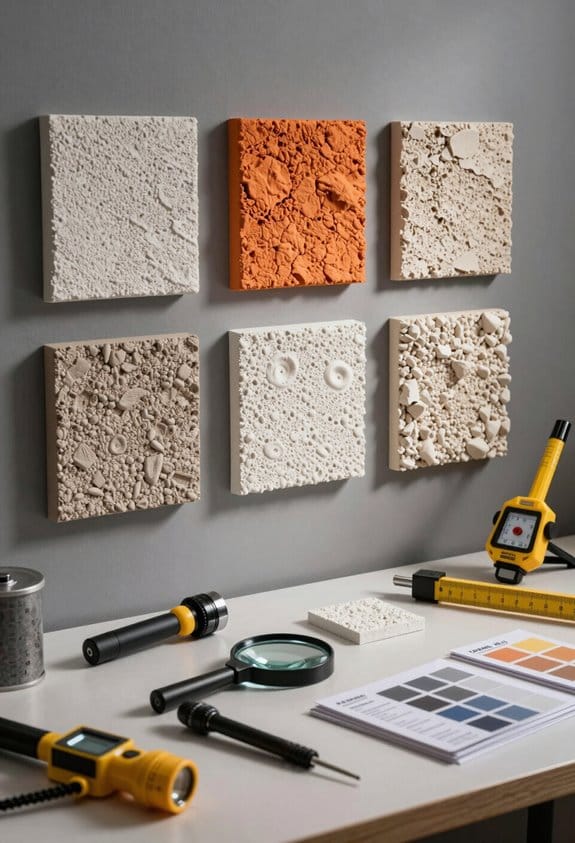
Identifying wall textures can feel a bit overwhelming, can’t it? It’s not just about what you see; having the right tools at your fingertips can make all the difference. When you’re looking to identify drywall textures, you’ll definitely want to have a few handy items.
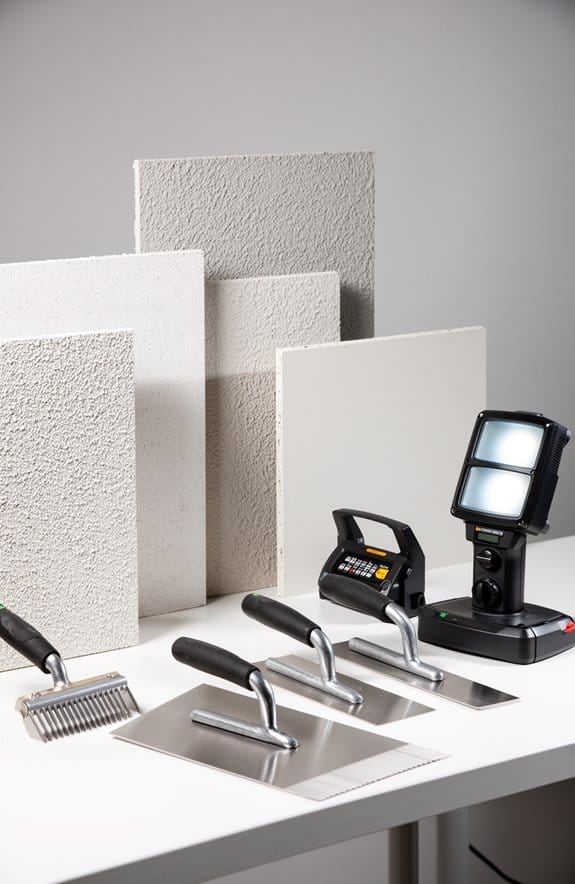
For creating a knockdown texture, grab a drywall knife or trowel. It does wonders for smoothing out the mud. Now, if you’re aiming for stippled or stomp textures, a stomp brush is your best friend. Looking for something a bit different, like comb or fish scale textures? A toothed trowel will do the trick, helping define those grooves perfectly.
You’ll also need a drywall texture sprayer for the ever-popular orange peel texture. Just remember to hold it about a half-meter away for even coverage. And, for something really unique, a heavy paint roller works wonders for tree bark textures, allowing for a finish that stands out.
So, why does this matter? Each of these tools isn’t just for show; they help you identify and replicate textures accurately. Whether you’re a DIY enthusiast or just tackling a home project, knowing the right tools can really simplify the process.
In addition, selecting tools that offer customizable texture levels can give you greater control over your wall finish outcomes.
In short, the right equipment can make your texture identification journey smoother. What texture are you thinking about for your space?
Recommended Products

The RotoFlex pump is a rugged pump with a unique flow-through design; delivers smooth material flow for uniform coverage & consistent spray pattern

HIGH-OUTPUT AIRLESS PERFORMANCE The 650W motor delivers up to 0.31 GPM with adjustable pressure up to 3300 PSI, while the reversible 515 tip helps produce smooth, even coverage and clear clogs during large wall, siding, deck, and fence projects. Always follow the coating manufacturer's preparation instructions.

TOP OF THE LINE TEXTURE PUMP SPRAY GUN FEATURES MACHINED BRASS BODY FOR ULTIMATE DURABILITY - Finest small area drywall texture sprayer in existence!
Using Lighting to Identify Wall Textures
Have you ever looked at your walls and wondered what texture really lies beneath that paint? You’d be surprised at how much lighting can help you uncover hidden patterns on your wall surfaces.
To get started, try playing around with natural light or a flashlight. By casting shadows across your wall, you’ll be able to highlight the depth of different textures. Take a moment to examine the wall from various angles. You might find that some textures reveal details only visible in the shadows.
Here’s a little advice: If you want a closer look, grab your phone and take some close-up photos under different lighting conditions. This not only captures details that may not be visible to the naked eye, but it also allows you to compare textures side by side.
Using a glossy light source can really bring out the sheen on smoother finishes, making it easier to differentiate between textures. For instance, an orange peel finish will look quite different from a slap brush or crows foot pattern under the right light.
In essence, lighting isn’t just about illumination—it’s a tool that helps you appreciate your home’s character. For those seeking to identify or enhance textures, understanding the different application methods and tools can provide valuable insight.
So, what texture is hiding on your walls? Give these tips a go and see how your walls transform before your eyes!
Spotting the Differences: How to Compare Wall Textures
When it comes to comparing wall textures, you might find yourself a bit overwhelmed. There are so many styles out there, and figuring out which one you’re dealing with can take some time. Start by getting up close to the wall and examining the surface for unique features. Are there bumps or swirls? Those can help you pinpoint textures like orange peel or knockdown.
Here’s the trick: use your hands. Running your fingers over the walls will quickly reveal whether you’re feeling a smooth finish or something more uneven, like slap brush texture or skip trowel. Trust me, the difference is palpable!
Consider checking out some texture guides or online galleries. They can be really handy for matching your wall to the right examples. And don’t forget about the lighting in the room—different light sources can make those textures look totally different.
Taking photos from various angles is also a smart move. It gives you a chance to review your findings later and makes it easier to spot the specific textures you’ve got going on. So, why does this matter? Because understanding your wall texture can really help you in choosing the right paint or finish!
Additionally, knowing the cutting efficiency design of key tools can assist if you plan to modify or repair textured walls yourself by selecting the right saws for clean, accurate cuts.
When to Call a Professional: Seeking Help for Accurate Texture Identification
When it comes to figuring out your wall texture or matching it for repairs, reaching out to a professional can really make things easier. Have you ever stared at a textured wall and thought, “What in the world is this?” Professionals know their stuff and come equipped with special tools that can accurately identify all kinds of textures. If your wall has intricate patterns like bas-relief or Venetian finishes, a pro can steer you clear of mistakes that could end up being pricey in the long run.
Now, if your wall was textured ages ago, there’s a chance it could have asbestos in it, which is no joke. An expert can conduct a thorough inspection to keep you safe. Honestly, it’s worthwhile to get that peace of mind. It saves you time and stress, ensuring you choose the right products and techniques for matching textures or tackling repairs. Additionally, professionals often use scoring techniques combined with specialty tools to efficiently prepare textured surfaces for repair or resurfacing.
Recommended Products
Console Table with Fluted Elements | Crafted with the natural oak wood grain, has a clear texture.Features a distinctive waveform fluted panel that beautifully blends art deco and mid-century modern styles. The elegant gold metal handle adds an extra touch of sophistication
Track Your Travels Across the USA – This blue oceans USA map with pins doubles as vibrant wall décor and an interactive travel tracker. Mark states visited and plan future road trips across the country while you check destinations off your Bucket List.

Track & Display Your Travels: Use your map to track past and future travel adventures. Relive your favorite travel memories with each new pin placed in your map
Frequently Asked Questions
How Do You Match Existing Wall Texture?
To match existing wall texture, we’ll examine paint finishes, choose appropriate texture tools, and apply DIY methods like spray application. If needed, we can seek professional help for precise repair techniques and matching colors.
How Do I Identify My Wall Type?
Like peeling back layers of history, we can identify our wall type through careful surface inspection. Let’s use texture tools and DIY techniques, exploring drywall types and plaster finishes to reveal hidden texture patterns, ensuring perfect wall preparation.
What Are the Different Types of Wall Texture?
There’re various wall textures we can explore: stippled finishes, smooth walls, textured paint, popcorn ceilings, and diverse plaster styles. Each offers unique charm—from country chic to modern finishes, enhancing our spaces beautifully with raised patterns and wallpaper designs.
How to Tell if You Have Orange Peel or Knockdown Texture?
To tell if we have orange peel or knockdown texture, we should examine visual texture differences, noting orange peel’s bumpy surface against knockdown’s flattened areas, considering texture application methods and tools in our wall texture comparison.