As an Amazon Associate, we earn from qualifying purchases. Some links may be affiliate links at no extra cost to you. Although our opinions are based on curated research, we haven't used these products. Articles generated with AI.

9 Essential Rental Property Repair Tips for Every Landlord’s Toolkit

As a landlord, you should assess repairs by necessity before prioritizing urgent issues like plumbing leaks. Allocate 1-3% of your property’s value annually for maintenance. Keep a detailed log of repairs and expenses using a Rental Expense Tracker. Communicate clearly with tenants about repair timelines and procedures. Verify your contractors’ licenses and experience to guarantee reliability. Maintain compliance with local codes. Employing these tips helps keep your properties in good shape, and you can discover more strategies to enhance your management.
Key Takeaways
- Assess property condition regularly to prioritize urgent repairs, focusing on systems like plumbing and electrical first.
- Establish a maintenance budget that accounts for both scheduled and unexpected repair costs to maintain financial stability.
- Communicate clearly with tenants about repair timelines and procedures to foster trust and satisfaction.
- Verify contractor reliability through licenses, references, and online reviews for quality assurance in repairs.
- Maintain meticulous records of all repairs in a log book for efficiency, compliance, and tracking service history.
| Rental Expense Tracker – Log Repairs Utilities & Property Costs | 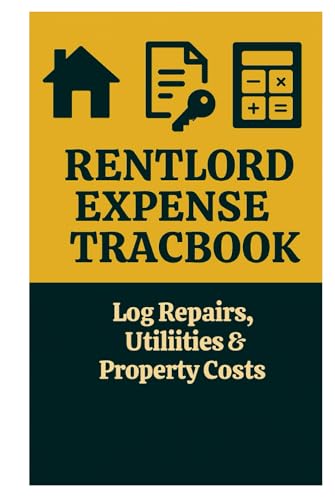 | Expense Tracking Essential | Format: 8.5 x 11 inches | Page Count: 100 pages | Target Audience: Landlords/Property Owners | VIEW LATEST PRICE | Read Our Analysis |
| Rental Property Maintenance Log Book for Landlords |  | Comprehensive Maintenance Guide | Format: 8.5 x 11 inches | Page Count: 100 pages | Target Audience: Landlords/Property Managers | VIEW LATEST PRICE | Read Our Analysis |
| Yearly Rental Property Inspection Checklist for Landlords |  | Yearly Checklist Must-Have | Format: 8.5 x 11 inches | Page Count: [implied checklist format] | Target Audience: Landlords/Property Managers | VIEW LATEST PRICE | Read Our Analysis |
| Rental Property Inspection Checklist for Landlords | 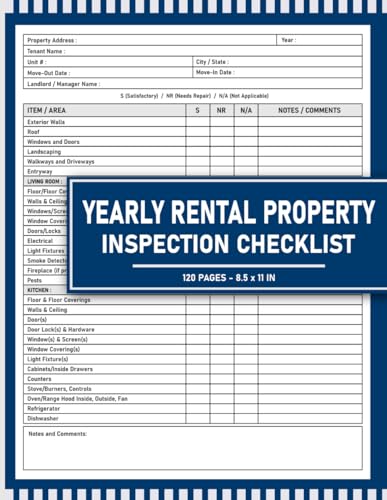 | Organized Inspection Tool | Format: 8.5 x 11 inches | Page Count: 122 pages | Target Audience: Landlords/Property Managers | VIEW LATEST PRICE | Read Our Analysis |
| Rental Property Maintenance Log Book for Repairs | 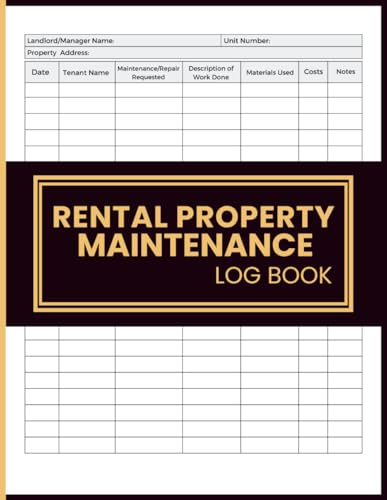 | Detailed Repair Log | Format: 8.5 x 11 inches | Page Count: 120 pages | Target Audience: Landlords/Property Managers | VIEW LATEST PRICE | Read Our Analysis |
| Rental Property Maintenance Log Book for Landlords | 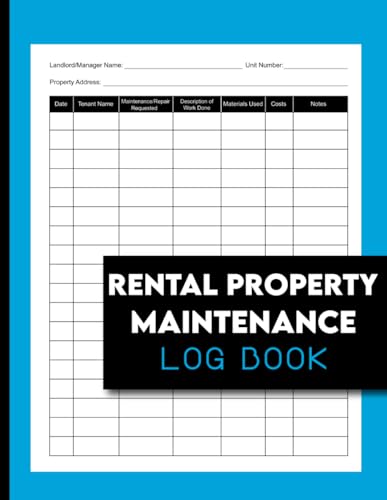 | Tailored Maintenance Tracker | Format: 8.5 x 11 inches | Page Count: 112 pages | Target Audience: Landlords/Property Managers | VIEW LATEST PRICE | Read Our Analysis |
| Rental Property Inspection Checklist for Landlords and Tenants | 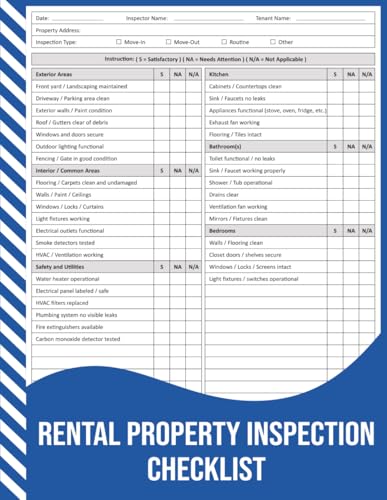 | Tenant Relations Focus | Format: 8.5 x 11 inches | Page Count: 100 pages | Target Audience: Landlords/Property Managers/Tenants | VIEW LATEST PRICE | Read Our Analysis |
| Rental Property Maintenance Log Book & Tracker | 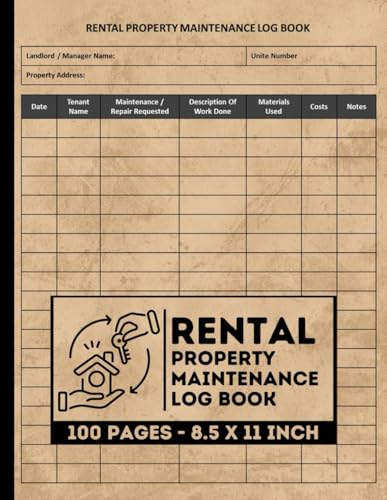 | Efficiency Enhancer | Format: 8.5 x 11 inches | Page Count: [implied for property management] | Target Audience: Landlords/Property Managers | VIEW LATEST PRICE | Read Our Analysis |
| Home Rental Maintenance Log Book for Landlords |  | All-In-One Maintenance Log | Format: 8.5 x 11 inches | Page Count: 120 pages | Target Audience: Landlords/Property Managers/Real Estate Investors | VIEW LATEST PRICE | Read Our Analysis |
More Details on Our Top Picks
Rental Expense Tracker – Log Repairs Utilities & Property Costs
Managing rental properties can be complex, but using the Rental Expense Tracker simplifies the process for landlords and property owners. This tool allows you to log essential expenses such as repairs, utilities, and property costs efficiently. With 100 structured pages, you can categorize your spending into repairs, taxes, and insurance. The hardcover design guarantees durability, making it easy to use for years. By monitoring these expenses, you can prepare for tax season with less stress. Pair it with the Landlord Property Logbook for a thorough management solution. Stay organized and keep your finances in check effortlessly.
- Format:8.5 x 11 inches
- Page Count:100 pages
- Target Audience:Landlords/Property Owners
- Maintenance Tracking:Expense Tracking
- Organized Sections:Structured Expense Tracking
- Professional Appearance:Hardcover Design
- Additional Feature:HardCover design for durability
- Additional Feature:Low-content compliant and upload-ready
- Additional Feature:Specific expense categories defined
Rental Property Maintenance Log Book for Landlords
A Rental Property Maintenance Log Book is an essential tool for landlords overseeing multiple properties. This thorough logbook features 100 pages, sized at 8.5 x 11 inches. It includes dedicated sections for tracking maintenance and repairs, along with an inspection checklist to guarantee your properties remain in top condition. By using this logbook, you’ll effectively keep up with ongoing maintenance, helping you plan and document necessary repairs. This systematic approach facilitates organized record-keeping, ultimately assuring your properties are always ready for new tenants. Consider incorporating this logbook into your routine to enhance your management efficiency and property performance.
- Format:8.5 x 11 inches
- Page Count:100 pages
- Target Audience:Landlords/Property Managers
- Maintenance Tracking:Maintenance and Repairs
- Organized Sections:Maintenance Sections
- Professional Appearance:[implied professional logbook]
- Additional Feature:Inspection checklist included
- Additional Feature:Dimensions: 8.5 x 11 inches
- Additional Feature:100 pages for details
Yearly Rental Property Inspection Checklist for Landlords
For landlords and property managers seeking to streamline their property maintenance processes, the Yearly Rental Property Inspection Checklist is essential. Begin with a thorough inspection of the exterior and interior, checking walls, windows, and doors for damage. Don’t forget to assess the roof for leaks or missing shingles. Inspect the landscaping and walkways for safety hazards. Review utilities and safety systems, including smoke detectors and carbon monoxide alarms, ensuring everything works properly. Finally, evaluate living spaces like kitchens and bathrooms for functionality. This systematic approach helps you identify issues early, ensuring your investment remains protected and compliant with local regulations.
- Format:8.5 x 11 inches
- Page Count:[implied checklist format]
- Target Audience:Landlords/Property Managers
- Maintenance Tracking:Systematic Inspections
- Organized Sections:Detailed Inspection Areas
- Professional Appearance:[implied professional checklist]
- Additional Feature:Systematic approach provided
- Additional Feature:Comprehensive aspect coverage
- Additional Feature:Ensures safety compliance
Rental Property Inspection Checklist for Landlords
Yearly property inspections are crucial for landlords and property managers seeking to maintain safe and compliant rental units. To streamline your inspections, use a detailed checklist that covers all significant areas. Start outside; check the exterior walls for cracks and the roof for missing shingles. Inspect windows and doors for proper sealing. Move to landscaping, verifying walkways and driveways are clear. Inside, examine living areas, kitchens, bedrooms, and bathrooms for cleanliness and functionality. Don’t forget utilities—test smoke detectors and check plumbing. Keep a log book of all findings and repairs. This organized approach guarantees a well-maintained property and satisfied tenants.
- Format:8.5 x 11 inches
- Page Count:122 pages
- Target Audience:Landlords/Property Managers
- Maintenance Tracking:Maintenance and Inspection
- Organized Sections:Inspection Content Organization
- Professional Appearance:Matte Finish Cover
- Additional Feature:Independently published
- Additional Feature:Organized checklist format
- Additional Feature:Specific coverage areas detailed
Rental Property Maintenance Log Book for Repairs
Independent landlords will find the Rental Property Maintenance Log Book invaluable for managing repairs. This log book helps you track maintenance requests, service history, and expenses across your properties. Its 8.5 x 11-inch format contains 120 pages with sections for service dates, tenant details, repair descriptions, materials used, costs, and follow-up notes. By documenting this information, you guarantee accountability and transparency with your tenants. Using the log book promotes a systematic approach to maintenance, extends the life of your properties, and aids in informed decision-making. You should refer to it frequently to keep your rental homes in excellent condition.
- Format:8.5 x 11 inches
- Page Count:120 pages
- Target Audience:Landlords/Property Managers
- Maintenance Tracking:Maintenance Requests/Service History
- Organized Sections:Clearly Organized Sections
- Professional Appearance:[implied professional format]
- Additional Feature:120 pages of documentation
- Additional Feature:Spacious format for easy noting
- Additional Feature:Focus on accountability and transparency
Rental Property Maintenance Log Book for Landlords
Tracking maintenance tasks is essential for landlords aiming to keep their properties in top condition. A Rental Property Maintenance Log Book simplifies this process. This 112-page book measures 8.5 x 11 inches, providing ample space for detailed notes. You can customize the columns to track specific maintenance activities efficiently. Use it to note repairs, service schedules, and tenant requests, ensuring you stay organized. The premium matte cover adds a professional touch, making it suitable for any property manager. Invest in this log book to enhance your property management skills and receive valuable feedback from tenants on necessary improvements.
- Format:8.5 x 11 inches
- Page Count:112 pages
- Target Audience:Landlords/Property Managers
- Maintenance Tracking:Maintenance Activities
- Organized Sections:Customized Columns
- Professional Appearance:Premium Quality Cover
- Additional Feature:Customized columns for tracking
- Additional Feature:Premium matte finish cover
- Additional Feature:Simple and efficient solution
Rental Property Inspection Checklist for Landlords and Tenants
Having a clear and thorough Rental Property Inspection Checklist is essential for landlords and tenants who want to document the condition of a rental property effectively. This checklist includes sections for move-in, move-out, and routine inspections. Each area records crucial details like property address, date, and tenant information. You’ll assess locations such as landscaping, flooring, and kitchen units. Use an easy rating system: S for Satisfactory, NA for Needs Attention, and N/A for Not Applicable. With a large format of 8.5” x 11” and 100 pages, you’ll have ample space to write extensive notes and gather signatures for verification.
- Format:8.5 x 11 inches
- Page Count:100 pages
- Target Audience:Landlords/Property Managers/Tenants
- Maintenance Tracking:Property Condition Documentation
- Organized Sections:Detailed Inspection Checklist
- Professional Appearance:Large Format for Clarity
- Additional Feature:Move-in/move-out documentation
- Additional Feature:Easy rating system
- Additional Feature:Clear communication emphasis
Rental Property Maintenance Log Book & Tracker
For landlords managing one or multiple rental properties, a Rental Property Maintenance Log Book & Tracker is essential. This tool helps you keep organized records, ensuring smooth property operations. Start by recording crucial details in the property information section, like the property address and landlord name. Next, log maintenance and repair activities. Make sure to include the date, tenant name, maintenance request, work description, materials used, and costs. This structured documentation enhances your efficiency in managing properties, allowing you to track repairs and stay on top of tenants’ needs. Remember, consistency is key for effective tracking and management.
- Format:8.5 x 11 inches
- Page Count:[implied for property management]
- Target Audience:Landlords/Property Managers
- Maintenance Tracking:Maintenance Documentation
- Organized Sections:Document Essential Information
- Professional Appearance:Comprehensive Log Book
- Additional Feature:Vital property information section
- Additional Feature:Structured documentation for efficiency
- Additional Feature:Designed for multiple properties
Home Rental Maintenance Log Book for Landlords
Creating a thorough maintenance log book is essential for landlords managing multiple properties or even just one rental unit. This log book helps you track repairs, costs, and contractor details efficiently. With 120 pages, it allows you to record maintenance tasks and access monthly summaries easily. The large size of 8.5 x 11 inches makes it comfortable for daily use. Include dates and specific details about each repair to guarantee organized documentation. By utilizing this tool, you’ll maintain better control over your property’s upkeep, helping you avoid missed expenses and guarantee timely repairs across all your rental units.
- Format:8.5 x 11 inches
- Page Count:120 pages
- Target Audience:Landlords/Property Managers/Real Estate Investors
- Maintenance Tracking:Maintenance Tracking and Summary
- Organized Sections:Structured Maintenance Tracking
- Professional Appearance:Professional Layout
- Additional Feature:Monthly maintenance summary pages
- Additional Feature:Applicable to various rental types
- Additional Feature:Comfortable writing size
Factors to Consider When Choosing Rental Property Repair
When choosing rental property repairs, you must assess the property’s condition, set a budget, and communicate with tenants. Evaluating these factors helps guarantee you address urgent issues while managing costs effectively. Additionally, verifying contractor reliability and keeping maintenance records are essential steps to maintain your property’s value.
Property Condition Assessment
A thorough property condition assessment is vital before starting any rental property repairs. Begin by inspecting both the interior and exterior, focusing on walls, roofs, windows, and landscaping. Use a detailed checklist to document specific areas needing attention. It’s essential to evaluate the age and condition of major systems like plumbing, electrical, and HVAC, as these factors impact repair priorities. Conduct routine inspections to catch minor issues early, preventing more significant problems. Don’t forget to take into account local regulations, which may require certain repairs for tenant safety and legal compliance. After completing your assessment, prioritize repairs based on necessity and potential costs to maintain the property effectively. This structured approach guarantees you’re well-prepared for any necessary repairs.
Budget Constraints Analysis
Establishing a budget is a significant step in managing rental property repairs effectively. Start by allocating 1-3% of your property’s total value annually for maintenance. This amount helps cover ongoing and unexpected repairs without causing financial strain. Prioritize your repairs based on urgency; for example, fix plumbing leaks before repainting walls. Implement a detailed expense tracking system to record past repair costs, which helps predict future expenses accurately. Additionally, consider the potential return on investment (ROI) for each repair. Upgrades like energy-efficient windows may require larger upfront costs but can increase your property value long-term. By focusing your budget on essential repairs first, you make certain the longevity and appeal of your rental property.
Tenant Communication Importance
How can effective communication with tenants impact your rental property repairs? It fosters trust and transparency, leading to better relationships and higher tenant retention rates. When you clearly communicate repair procedures and timelines, you help set tenant expectations and reduce frustration. Regular updates on the status of repairs enhance tenant satisfaction and engagement. Using a structured communication framework guarantees everyone stays informed, minimizing misunderstandings and disputes. Documenting all communications about repairs creates a clear record for you, which can be vital for resolving conflicts or legal issues later. Make it a practice to acknowledge tenant requests promptly and provide estimated timelines, as this leads to smoother repair processes and more satisfied tenants.
Contractor Reliability Verification
Choosing the right contractor can greatly influence the outcome of your rental property repairs. Start by verifying their reliability. Check for valid licenses and certifications relevant to your area; these guarantee compliance with local regulations. Request references from previous clients and review their satisfaction with the contractor’s work. Assess online reviews from trusted platforms to understand their reputation, focusing on both positive and negative feedback. It’s vital to evaluate the contractor’s experience with similar projects, as this reveals their capability to handle various challenges. Finally, confirm they have adequate insurance, including liability and workers’ compensation, to protect yourself from financial risks during repairs. Taking these steps can help you find a dependable contractor for your property needs.
Maintenance Record Keeping
After verifying a contractor’s reliability, the next significant step is maintaining detailed records of all repairs. Keep a repair log to track maintenance requests and expenses. This helps you make informed decisions for future property upkeep. Use standardized templates or logbooks to streamline recording, making it easy to access essential maintenance data. By organizing repairs, you can spot trends in issues and adjust your management strategies as needed. Also, having thorough documentation enhances accountability with your tenants. It shows them clear records of actions taken for repairs. Timely follow-ups are important, as they prevent unresolved issues from piling up. Efficient maintenance record-keeping is fundamental for successful property management and long-term tenant satisfaction.
Compliance With Regulations
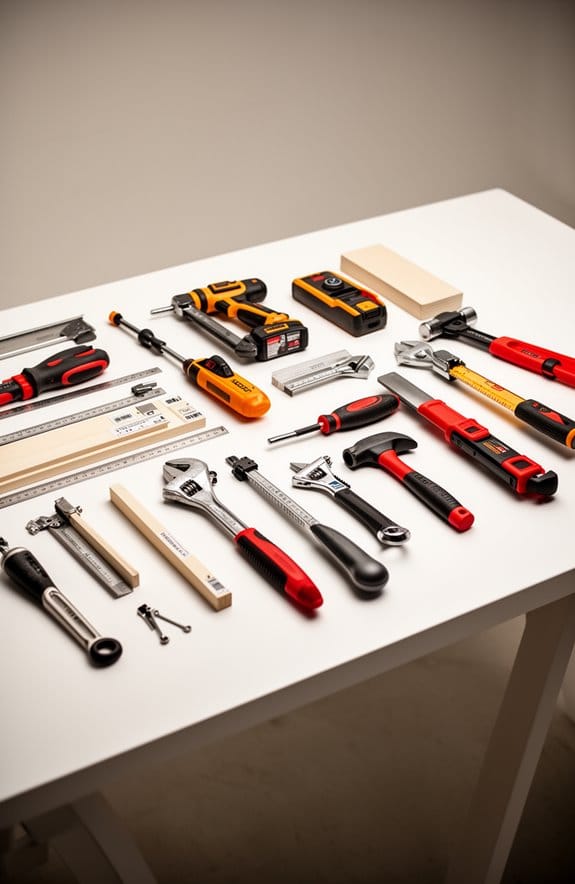
Understanding compliance with regulations is essential when planning rental property repairs. First, verify all repairs meet local building codes to avoid fines. Regularly inspect your property, as many laws mandate such reviews. Keep detailed records of all repairs and maintenance activities to show your adherence to these regulations. Prioritize addressing issues like mold, pests, and structural concerns, as these are often legally required. Familiarize yourself with tenant protection laws to minimize the risk of legal disputes. Always document your repair processes, noting materials used and completion dates. Use tools like tape measures for accuracy, and keep receipts for parts. This diligence not only meets legal requirements but also supports effective communication with tenants and protects you from liability.
Frequently Asked Questions
How Do I Choose Reliable Contractors for Property Repairs?
To choose reliable contractors for property repairs, start by asking for recommendations from friends or colleagues. Check their licenses and insurance to guarantee they’re qualified. Obtain multiple quotes and compare prices, looking for detailed estimates that outline specific materials and labor costs. Verify their references by contacting past clients. Finally, trust your instincts; if something feels off during initial meetings, it’s best to look elsewhere rather than risk poor workmanship.
What Are Common Signs That Repairs Are Needed?
You’ll find repairs are often needed when you notice signs like leaking faucets, peeling paint, or uneven floors. A musty smell can indicate water damage. Check for cracks in walls and ceilings; those can signal structural issues. Also, watch for electrical problems, like flickering lights or tripped breakers. Regularly inspect appliances for unusual noises or performance troubles. Keeping a checklist helps you track these signs before they escalate into bigger problems.
How Can I Reduce Repair Costs on My Rental Properties?
To reduce repair costs, conduct regular inspections every six months. Use a 5/16-inch socket wrench for plumbing checks and a flashlight to identify leaks. Create a network of reliable contractors for quotes, ensuring you compare prices. Purchase materials in bulk from local suppliers to save money. Consider DIY repairs for simpler tasks like painting or changing light bulbs. Finally, maintain a schedule for seasonal maintenance, which can prevent more costly repairs in the future.
Should I Handle Repairs Myself or Hire Professionals?
You should assess your tools and skills before deciding. If you’re handy and have basic tools, like a 16-ounce hammer or a power drill, you might handle minor repairs yourself. For bigger jobs that require expertise, like plumbing or electrical work, it’s wiser to hire professionals. Consider factors like time, complexity, and potential cost savings to make an informed choice. Prioritizing safety and quality will always protect your investment.
How Often Should I Conduct Property Maintenance Checks?
You should conduct property maintenance checks at least twice a year, ideally in spring and fall. Start by inspecting the roof for missing shingles and the gutters for clogs. Check the plumbing for leaks and test smoke detectors, replacing batteries if needed. Review your HVAC system filters every three months, ensuring they’re clean and unobstructed. Finally, walk through the exterior, looking for cracks or damages to the foundation and siding.