As an Amazon Associate, we earn from qualifying purchases. Some links may be affiliate links at no extra cost to you. Although our opinions are based on curated research, we haven't used these products. Articles generated with AI.

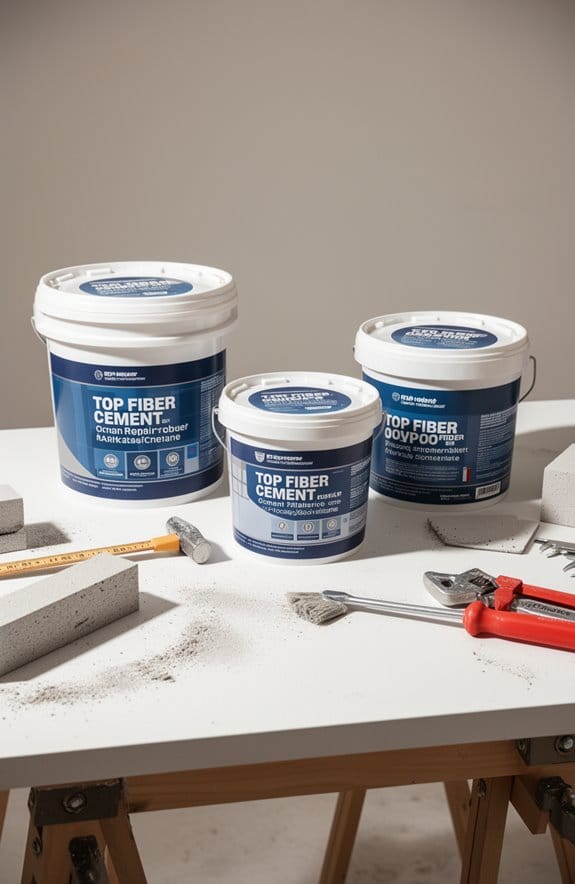
3 Best Fiber Cement Repair Products for Lasting Home Repairs

For lasting home repairs, consider Giantree 6.6LB Fiberglass Concrete Fiber Additive, Cement Board Joint Tape – 150 ft Self Adhesive, and Fiberglass Cement Reinforcement Anti-Seepage Mix (1lb). The Giantree additive improves strength and prevents cracking, mixing 1 lb per cubic yard of concrete. The self-adhesive tape guarantees reliable joints in humid areas. The anti-seepage mix enhances toughness for high-moisture projects. Proper mixing and application are essential for best results. Explore further to uncover more tips on fiber cement products.
Key Takeaways
- Giantree Fiberglass Concrete Fiber Additive enhances strength and prevents cracking, making it ideal for diverse concrete projects in varying weather conditions.
- Cement Board Joint Tape offers reliable reinforcement with its heavy fiberglass mesh, perfect for high-humidity areas like kitchens and bathrooms.
- Fiberglass Cement Reinforcement Anti-Seepage Mix strengthens cement projects and is excellent for waterproofing in high-moisture areas, ensuring durability.
- Consider project-specific material types and weather-resistance features when selecting fiber cement repair products for longevity.
- Always follow mix ratios and application method guidelines to achieve optimal performance and a smooth, durable finish in repairs.
| Giantree 6.6LB Fiberglass Concrete Fiber Additive | 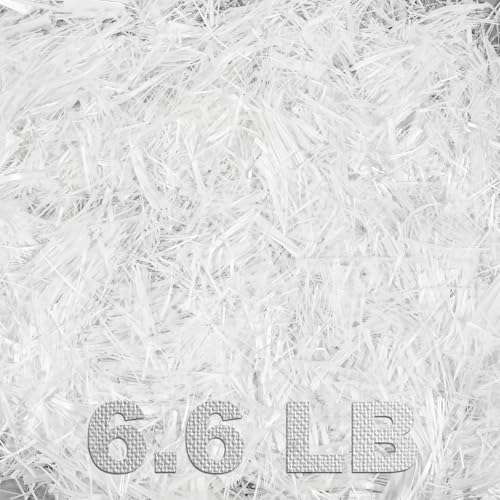 | Best Performance Enhancer | Reinforcement Type: Fiberglass strands | Weight: 6.6 LB | Water Resistance: Yes, promotes impermeability | VIEW LATEST PRICE | Read Our Analysis |
| Cement Board Joint Tape – 150 ft Self Adhesive | 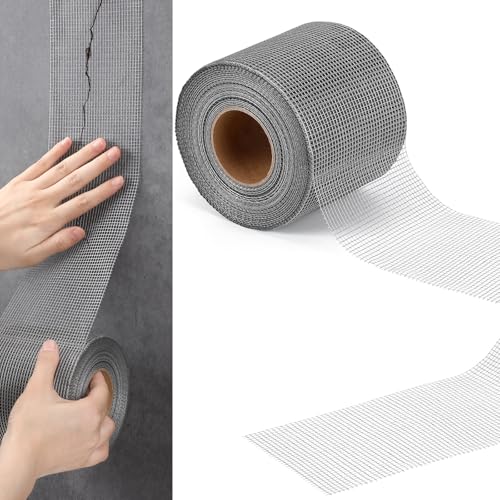 | Easy Application | Reinforcement Type: Fiberglass mesh | Weight: 12.6 ounces | Water Resistance: Yes, water resistant | VIEW LATEST PRICE | Read Our Analysis |
| Fiberglass Cement Reinforcement Anti-Seepage Mix (1lb) |  | Waterproof Champion | Reinforcement Type: Fiberglass filaments | Weight: 1 lb | Water Resistance: Yes, waterproof and impermeable | VIEW LATEST PRICE | Read Our Analysis |
More Details on Our Top Picks
Giantree 6.6LB Fiberglass Concrete Fiber Additive
The Giantree 6.6LB Fiberglass Concrete Fiber Additive is an excellent choice for DIY enthusiasts and professionals looking to enhance the strength of their concrete projects. This 6.6 LB package contains 3/4-inch fiberglass chop strands. To use it, blend one part fiberglass with your sand and cement mix, then add water slowly, stirring evenly. Note that it may require an extra 30 to 60 seconds of mixing time. This additive improves density, prevents cracking, and boosts impact resistance, making it ideal for diverse applications like countertops, exterior walls, and repairs, especially in areas with severe weather conditions.
- Reinforcement Type:Fiberglass strands
- Weight:6.6 LB
- Water Resistance:Yes, promotes impermeability
- Application Versatility:Suitable for various cement applications
- Usage Instructions:Mix with sand, cement, and water
- Impact Resistance:Enhances impact resistance
- Additional Feature:Improves project durability
- Additional Feature:Fosters frost resistance
- Additional Feature:Enhances mixing efficiency
Cement Board Joint Tape – 150 ft Self Adhesive
If you’re looking for a reliable solution to reinforce your cement board joints, consider the 150 ft x 4 Inch Cement Board Joint Tape. This self-adhesive tape is made of heavy fiberglass mesh that’s alkali resistant and water resistant. Weighing 12.6 ounces, it’s designed to handle high humidity areas, making it perfect for kitchens and bathrooms. Simply cut the desired length, peel off the backing, and apply it to the joints for a strong bond. The no shrinking property guarantees that it maintains shape under fluctuating conditions. Enjoy the ease of application without needing additional glue for your projects.
- Reinforcement Type:Fiberglass mesh
- Weight:12.6 ounces
- Water Resistance:Yes, water resistant
- Application Versatility:Ideal for cement board joints
- Usage Instructions:Self-adhesive application
- Impact Resistance:Reinforces under moisture exposure
- Additional Feature:Alkali resistant mesh
- Additional Feature:Strong bonding power
- Additional Feature:Simplifies taping process
Fiberglass Cement Reinforcement Anti-Seepage Mix (1lb)
For anyone looking to strengthen their cement projects, the Fiberglass Cement Reinforcement Anti-Seepage Mix (1 lb) by UPTTHOW offers remarkable benefits. This white, fluffy mix enhances your cement’s toughness and prevents cracking. With a diameter of 0.75 inches, the high-strength fibers improve impact resistance and seismic performance. To use it, mix 1 lb of the fiberglass with sand and cement. Add the appropriate water, then stir for 30 to 60 seconds longer than usual. This product is ideal for high-moisture areas, as its waterproof properties prevent seepage. Consider using more in challenging conditions.
- Reinforcement Type:Fiberglass filaments
- Weight:1 lb
- Water Resistance:Yes, waterproof and impermeable
- Application Versatility:Effective in mortar for multiple repairs
- Usage Instructions:Mix with sand, cement, and water
- Impact Resistance:Improves impact and seismic performance
- Additional Feature:Fluffy shape enhances toughness
- Additional Feature:Waterproof and impermeable
- Additional Feature:Ideal for wet locations
Factors to Consider When Choosing Fiber Cement Repair
When choosing fiber cement repair products, you’ll want to take into account several important factors. First, evaluate the material type that best suits your project’s specific needs, and think about application methods that guarantee a smooth and durable finish. Don’t forget to assess weather resistance features, mix ratio guidelines, and the overall scope of your project for the best results.
Material Type Selection
Choosing the right fiber cement repair materials plays a crucial role in guaranteeing long-lasting and effective results. Start by considering materials with fiberglass, as it offers enhanced tensile strength and crack resistance, especially in wet conditions. For areas exposed to high stress, fiberglass-reinforced products improve impact resistance and seismic performance. Next, evaluate the density and adhesion properties, which influence waterproofing capabilities, preventing water damage. Look for anti-cracking features in the fiber material to inhibit fine cracks, which can form during curing. Finally, select self-adhesive fiber cement tape or additives to simplify application and guarantee a robust bond. This guarantees effective repairs, particularly in high humidity environments, enhancing the durability of your work.
Application Method Considerations
Understanding the application method for fiber cement repair is essential for achieving strong, durable results. First, mix sand, cement, and fiberglass thoroughly, as this guarantees proper reinforcement. Aim for a ratio of about 1 lb of fiber additive per cubic yard of concrete to optimize performance. Allow an additional 30 to 60 seconds of mixing time to evenly distribute the fiber additive. Next, consider the environmental conditions; some fiber blends work better in high humidity or wet locations, enhancing waterproofing. When applying the mixture, use appropriate tools like a trowel or mixer. Confirm the surface is clean and properly prepared, allowing for better adhesion and durability in your repair efforts. Follow these steps carefully for the best results.
Weather Resistance Features
Selecting fiber cement repair products with strong weather resistance features is vital for guaranteeing long-lasting results. Choose products with fiberglass composite materials, as they provide waterproofing properties that prevent moisture seepage. This is especially important for repairs in high-humidity areas like bathrooms and kitchens. Look for fiberglass reinforcement, which improves freeze-thaw resistance, minimizing cracks during temperature changes. These products should also have anti-cracking properties to enhance durability in wet locations or seismically active regions. Additionally, verify that the repair materials you select have specific waterproof attributes to lower maintenance needs, allowing repairs to last longer and withstand water-related damage effectively. Consider these factors carefully to maintain the integrity of your fiber cement repairs.
Mix Ratio Guidelines
When it comes to achieving strong results in fiber cement repair, the right mix ratio is vital. A common ratio is one part fiberglass to four parts sand and cement combined. This guarantees efficient reinforcement. When using fiberglass additives, stir the mixture for an extra 30 to 60 seconds to promote uniform distribution. For dosage, use one pound of fiberglass per cubic yard of concrete; consider adding more for high-impact areas. To minimize fine cracking, mix additives properly. If you’re working in wet areas like basements, use a higher density mix with fibers to improve waterproofing. Remember, achieving the right mix is essential for the repair’s durability and longevity. Follow these guidelines for the best results.
Project Scope Assessment
Evaluating the project scope is a key step in guaranteeing successful fiber cement repairs. Start by appraising the size and scale of your repair area. Larger spaces may need more fiber cement additive for reinforcement, so it’s crucial to calculate amounts accurately. Next, evaluate environmental conditions like moisture or temperature changes to choose the best fiber cement additive for durability. Think about whether you’re repairing vertical surfaces or high-impact areas; this affects your material choice. Additionally, check the substrate condition to secure a good bond with existing materials. Finally, contemplate the desired finish, as some additives may change the surface texture or appearance. Planning these factors leads to more effective repairs and lasting results.
Frequently Asked Questions
How Long Does Fiber Cement Repair Take to Fully Cure?
Fiber cement repair typically takes about 24 to 48 hours to set, but full curing can take up to 28 days. During this time, avoid applying stress or moisture. Verify the area’s temperature is between 50°F and 90°F for ideal setting. After repair, use a trowel for smoothing edges. For best results, apply a primer and paint after complete curing to protect against moisture and damage. Regularly check for any issues at three-month intervals.
Can I Paint Over Fiber Cement Repair Products?
Yes, you can paint over fiber cement repair products. First, wait at least 24 hours after application for it to cure. Clean the surface using a damp cloth to remove dust. Use a primer designed for cement surfaces, applying with a 3/4-inch nap roller. Let the primer dry for about two hours. Finally, paint using acrylic or latex paint, applying at least two coats for even coverage. Allow each coat to dry thoroughly.
Are Fiber Cement Repair Products Waterproof?
Yes, most fiber cement repair products are designed to be waterproof. These products typically include a mixture of Portland cement, fibers, and additives that enhance durability. For best results, apply the repair product using a 6-inch putty knife, guaranteeing a smooth finish. Once dried, check for moisture resistance by splashing water on the surface. Wait at least 24 hours before painting to guarantee peak adhesion and effectiveness of the repair.
How Do I Clean Tools After Using Fiber Cement Products?
To clean tools after using fiber cement products, act quickly. First, fill a bucket with warm water, about two to three gallons. Use a stiff brush or a putty knife to remove excess material from your tools. Soak them in the water for about five minutes. Then scrub with the brush, focusing on hard-to-reach areas. Rinse thoroughly with clean water and dry completely before storing. Always wear gloves to protect your hands.
What Safety Gear Should I Wear During Application?
When applying fiber cement products, it’s vital to wear proper safety gear. You should don safety goggles to protect your eyes, a dust mask to avoid inhaling particles, and hearing protection like earplugs if using loud tools. Gloves are fundamental too, preferably latex or rubber, to shield your hands. Finally, wear long sleeves and durable pants to prevent skin irritation. This gear guarantees you stay safe while working on your project.