As an Amazon Associate, we earn from qualifying purchases. Some links may be affiliate links at no extra cost to you. Although our opinions are based on curated research, we haven't used these products. Articles generated with AI.

10 Best Electronic Stud Sensors Every DIYer Should Own

If you’re a DIYer, investing in an electronic stud sensor can make your projects safer and easier. Consider models like the FNIRSI 6-in-1, which detects wood and metal up to 1.5 inches deep, and the Franklin Sensors ProSensor M90, which requires no calibration and has a compact design of 7.5 x 3.35 x 3.33 inches. Many tools feature LCD screens and audio alerts for easier use. Keep reading to explore more top choices and features that suit your needs.
Key Takeaways
- The Franklin Sensors ProSensor M210 is top-rated for its 13 sensors and deep scan capability, ensuring precise detection of studs and live wires.
- The FNIRSI 6-in-1 Wall Scanner features versatile modes, including a positioning hole for marking edges and detecting non-ferrous metals up to 3.9 inches deep.
- The Mecurate 5-in-1 Stud Finder offers five detection modes, an LCD screen for real-time data, and built-in AC detection for added safety.
- The USTUDCHY 5 in 1 Electronic Stud Finder uses ergonomic design for comfortable use and identifies hidden structures, including metal and live wires.
- Models with more sensors, like the ProSensor M90, provide enhanced accuracy and deeper detection, ideal for various wall materials and thicknesses.
| FNIRSI 6-in-1 Wall Scanner Stud Finder |  | Best All-in-One | Detection Modes: 6-in-1 functionality | Detection Depth: Up to 4.7 inches (metal) | User Interface: Digital LCD display | VIEW LATEST PRICE | Read Our Analysis |
| Franklin Sensors ProSensor M90 Stud Finder |  | Most Accurate | Detection Modes: 1 mode (9 sensors) | Detection Depth: Up to 1.5 inches | User Interface: LED display | VIEW LATEST PRICE | Read Our Analysis |
| Franklin Sensors ProSensor T9 Stud Finder | 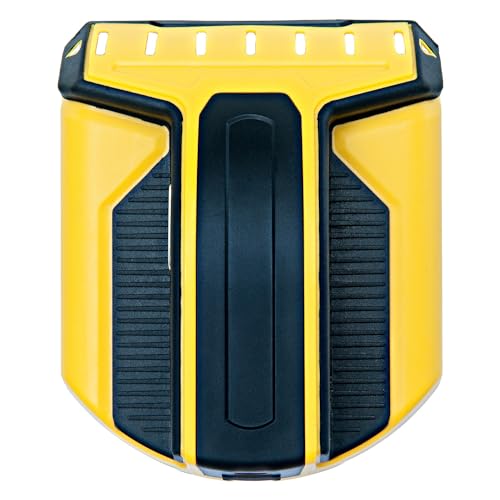 | Best Performance | Detection Modes: 1 mode (8 sensors) | Detection Depth: Up to 1.5 inches | User Interface: Simultaneous stud edge/center display | VIEW LATEST PRICE | Read Our Analysis |
| Stud Finder Wall Scanner 5 in 1 with LCD Display |  | User-Friendly Design | Detection Modes: 5-in-1 functionality | Detection Depth: 0.5 to 2.36 inches | User Interface: Backlit LCD display | VIEW LATEST PRICE | Read Our Analysis |
| Mecurate 5-in-1 Stud Finder Wall Scanner |  | Safety First | Detection Modes: 5-in-1 functionality | Detection Depth: Up to 2-3/8 inches | User Interface: High-definition LCD screen | VIEW LATEST PRICE | Read Our Analysis |
| 5 in 1 Electronic Stud Finder Wall Scanner |  | High Sensitivity | Detection Modes: 5-in-1 functionality | Detection Depth: Up to 2 inches | User Interface: Large LCD display with signal bar | VIEW LATEST PRICE | Read Our Analysis |
| Franklin Sensors ProSensor M70 Stud Finder |  | Top Consumer Rated | Detection Modes: 1 mode (7 sensors) | Detection Depth: Up to 1.5 inches | User Interface: Simple mode interface | VIEW LATEST PRICE | Read Our Analysis |
| Kiprim 5-in-1 Stud Finder Wall Scanner WS01 | 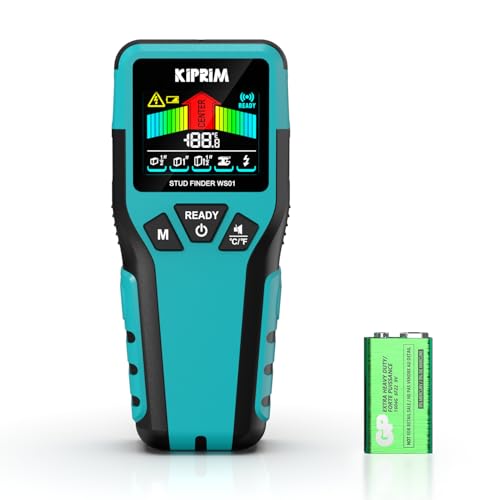 | Compact and Efficient | Detection Modes: 5-in-1 functionality | Detection Depth: 0.5 to 1.5 inches | User Interface: Large backlit LCD screen | VIEW LATEST PRICE | Read Our Analysis |
| Franklin Sensors Prosensor M210 Stud Finder |  | Advanced Detection | Detection Modes: Detection for wood & metal | Detection Depth: Up to 1.7 inches | User Interface: Wide LED display | VIEW LATEST PRICE | Read Our Analysis |
| Stud Finder Wall Scanner – 5 in 1 Detector |  | Best For Heavy Fixtures | Detection Modes: 5-in-1 functionality | Detection Depth: Up to 2.36 inches | User Interface: Backlight LCD display | VIEW LATEST PRICE | Read Our Analysis |
More Details on Our Top Picks
FNIRSI 6-in-1 Wall Scanner Stud Finder
The FNIRSI 6-in-1 Wall Scanner Stud Finder is an ideal tool for DIYers wanting accuracy in home improvement projects. This versatile device can detect wood, metal, and live AC wires. It features an updated positioning hole for marking object edges, ensuring precise placements. Use the exact scan mode for studs up to 0.75 inches deep and the depth scan for up to 1.5 inches. The non-ferrous metal scan identifies copper up to 3.9 inches deep, while ferrous metal detection reaches 4.7 inches. With a clear LCD display and audio alerts, you’ll enhance your DIY skills effectively and safely.
- Detection Modes:6-in-1 functionality
- Detection Depth:Up to 4.7 inches (metal)
- User Interface:Digital LCD display
- Calibration:Auto-calibration
- Power Source:1 Lithium Polymer battery
- Safety Features:AC live wire detection
- Additional Feature:Updated positioning hole
- Additional Feature:Audio alarm alerts
- Additional Feature:Suitable for multiple surfaces
Franklin Sensors ProSensor M90 Stud Finder
For DIY enthusiasts seeking a reliable and accurate tool, the Franklin Sensors ProSensor M90 Stud Finder stands out due to its innovative design featuring nine sensors. This wall scanner detects both wood and metal studs effectively. You don’t need to calibrate it; just press the button to start scanning. The ProSensor M90 uses a 1 1/2-inch deep scan mode, adjusting for different materials. It tracks the full width of each stud, identifying their edges and center. You can begin scanning anywhere on the wall, minimizing the chances of false readings. Note that it requires two AAA batteries (not included).
- Detection Modes:1 mode (9 sensors)
- Detection Depth:Up to 1.5 inches
- User Interface:LED display
- Calibration:No calibration required
- Power Source:2 AAA batteries
- Safety Features:None specified
- Additional Feature:9 sensors for accuracy
- Additional Feature:No calibration needed
- Additional Feature:Identifies irregular stud configurations
Franklin Sensors ProSensor T9 Stud Finder
Achieving accurate stud detection is essential for any DIY project, and the Franklin Sensors ProSensor T9 Stud Finder excels in this area. This device uses eight sensors, allowing you to find wood and metal studs more accurately than standard models. It detects up to 1.5 inches deep, ensuring you won’t miss a single stud. Simply press and hold the button to start scanning—no calibration needed. Constructed from durable materials, this stud finder is built to withstand frequent use. Remember, it requires AAA batteries, which aren’t included. You’ll also find a pencil caddy included for your convenience, making every project straightforward.
- Detection Modes:1 mode (8 sensors)
- Detection Depth:Up to 1.5 inches
- User Interface:Simultaneous stud edge/center display
- Calibration:No calibration required
- Power Source:AAA batteries (not rechargeable)
- Safety Features:None specified
- Additional Feature:Simultaneous edge/center display
- Additional Feature:High consumer ratings
- Additional Feature:Pencil caddy included
Stud Finder Wall Scanner 5 in 1 with LCD Display
Equipped with a bright backlit LCD display, the Stud Finder Wall Scanner 5 in 1 is perfect for both novice DIYers and experienced professionals. This tool combines five functions to suit your scanning needs. It detects wooden studs up to 1.5 inches deep, metal objects at 2.36 inches, and live AC wiring up to 2 inches. Its advanced microprocessor enhances sensitivity, accurately locating object centers and edges. Use dedicated buttons for easy operation, and keep calibration simple with a side button. This compact tool is essential for safe installations like TV brackets and shelves, ensuring you avoid hazards during your projects.
- Detection Modes:5-in-1 functionality
- Detection Depth:0.5 to 2.36 inches
- User Interface:Backlit LCD display
- Calibration:Simplified side button calibration
- Power Source:Battery powered (not specified)
- Safety Features:AC live wire detection
- Additional Feature:Bright backlit LCD screen
- Additional Feature:Dedicated function buttons
- Additional Feature:Ergonomic non-slip grip
Mecurate 5-in-1 Stud Finder Wall Scanner
The Mecurate 5-in-1 Stud Finder Wall Scanner stands out as an ideal choice for DIY enthusiasts who need reliable detection capabilities. It features five modes: Standard for 3/4 inches, Deep for 1-1/2 inches, Metal for 2-3/8 inches, and AC detection up to 2 inches. To use it, calibrate against the wall first for best accuracy. The high-definition LCD screen clearly presents real-time detection data, making it user-friendly. Additionally, its built-in AC detection warns you of live wires, enhancing safety. The package includes a battery, carrying pouch, and user manual for effective guidance on scanning techniques.
- Detection Modes:5-in-1 functionality
- Detection Depth:Up to 2-3/8 inches
- User Interface:High-definition LCD screen
- Calibration:User calibration advised
- Power Source:Battery powered (not specified)
- Safety Features:Warning sound for live wires
- Additional Feature:High-definition LCD screen
- Additional Feature:Package includes user manual
- Additional Feature:Warning sound for wires
5 in 1 Electronic Stud Finder Wall Scanner
For DIY enthusiasts and homeowners looking for an efficient way to locate hidden structures, the USTUDCHY 5 in 1 Electronic Stud Finder Wall Scanner stands out. This tool helps you find metal pipes, wooden frames, and electrical wires behind walls and ceilings. It features three stud scan modes for wall thicknesses of 0.5 inches, 1 inch, and 1.5 inches. The metal scan mode detects nails and screws, while the AC scan mode identifies live wires up to 2 inches deep. With a large backlit LCD and an ergonomic anti-slip handle, it’s user-friendly in various lighting conditions, making your projects safer and easier.
- Detection Modes:5-in-1 functionality
- Detection Depth:Up to 2 inches
- User Interface:Large LCD display with signal bar
- Calibration:Calibrate against the wall
- Power Source:Battery powered (not specified)
- Safety Features:Alerts for live AC voltage
- Additional Feature:Signal bar layout
- Additional Feature:Backlit function for visibility
- Additional Feature:Ergonomic anti-slip handle
Franklin Sensors ProSensor M70 Stud Finder
If you’re a DIY enthusiast looking for reliable accuracy, the Franklin Sensors ProSensor M70 Stud Finder is an excellent choice. This device employs seven sensors that enhance its ability to detect wood and metal studs through drywall and other materials. With a detection depth of up to 1.5 inches, it displays both the center and edges of studs simultaneously. You won’t need to calibrate it, as it operates effectively for various materials and depths. Powered by common AAA batteries, the straightforward battery cover allows for easy replacement. It’s durable and highly rated, making it a dependable tool for your projects.
- Detection Modes:1 mode (7 sensors)
- Detection Depth:Up to 1.5 inches
- User Interface:Simple mode interface
- Calibration:No calibration required
- Power Source:AAA batteries (not rechargeable)
- Safety Features:None specified
- Additional Feature:7 sensors for enhanced accuracy
- Additional Feature:Simultaneous center/edge display
- Additional Feature:Straightforward battery cover design
Kiprim 5-in-1 Stud Finder Wall Scanner WS01
Kiprim’s 5-in-1 Stud Finder Wall Scanner WS01 stands out as a top choice for DIY enthusiasts who need multifaceted detection capabilities. This electronic stud sensor detects wood studs at depths of ½, 1, and 1½ inches, metal pipes, and live AC wires. It has three depth modes, allowing versatile applications. The device features a large 2-inch backlit LCD that shows detection modes, signal strength, and battery status. Additionally, visible and audible alerts help mark the exact location of studs. Weighing only 0.13 kilograms, it’s compact and easy to handle. The included 9V battery powers this efficient tool for your projects.
- Detection Modes:5-in-1 functionality
- Detection Depth:0.5 to 1.5 inches
- User Interface:Large backlit LCD screen
- Calibration:Self-calibration function
- Power Source:9V battery included
- Safety Features:Detects live AC wires
- Additional Feature:Self-calibration function
- Additional Feature:Large 2-inch LCD screen
- Additional Feature:Lightweight and compact design
Franklin Sensors Prosensor M210 Stud Finder
The Franklin Sensors Prosensor M210 Stud Finder offers a reliable solution for DIYers who need precise stud detection. With 13 patented sensors, it accurately locates wood and metal studs, as well as live wires, making your projects safer. The compact design measures 7.5 x 3.35 x 3.33 inches and weighs only 0.71 pounds. Its wide LED display shows both the center and edges of studs simultaneously, ensuring precise readings. Deep scan capability adjusts for material and depth up to 1.7 inches. Given its durability, this tool is highly rated by both consumers and professionals alike, and it’s proudly made in the USA.
- Detection Modes:Detection for wood & metal
- Detection Depth:Up to 1.7 inches
- User Interface:Wide LED display
- Calibration:No calibration required
- Power Source:AAA batteries (not rechargeable)
- Safety Features:Live wire meter included
- Additional Feature:13 patented sensors
- Additional Feature:Wide LED display
- Additional Feature:Deep scan capability
Stud Finder Wall Scanner – 5 in 1 Detector
Finding hidden structures is essential for any DIY project, and the Stud Finder Wall Scanner – 5 in 1 Detector excels in this area. This tool offers five scanning modes: a 1/2 inch scan for materials up to 13 mm, a medium scan reaching 25 mm, and a deep scan detecting up to 38 mm. It also locates metal up to 2.36 inches deep and live wires up to 2 inches deep. The clear backlight LCD display shows targets, while an audio alarm alerts you as you approach them. Calibrate before each use for accuracy, ensuring safe installations for heavy fixtures like TVs and cabinets.
- Detection Modes:5-in-1 functionality
- Detection Depth:Up to 2.36 inches
- User Interface:Backlight LCD display
- Calibration:Calibration advised before use
- Power Source:Battery powered (not specified)
- Safety Features:Hazards detection (metal, wood, wires)
- Additional Feature:Shock-resistant body
- Additional Feature:Dust-resistant body
- Additional Feature:Audio alarm for targets
Factors to Consider When Choosing an Electronic Stud Sensor
When you’re picking an electronic stud sensor, consider several key factors. Detection depth options can vary, affecting how deeply the sensor can see into your walls. Additionally, the number of sensors, user interface design, and power requirements all influence the tool’s effectiveness and ease of use.
Detection Depth Options
Choosing the right electronic stud sensor involves understanding detection depth options, which can greatly impact your project results. Typical detection depths range from 0.5 inches to 1.5 inches for wood and metal studs. Some advanced models detect non-ferrous metals up to 3.9 inches deep and ferrous metals up to 4.7 inches. When working with live AC wires, these sensors can find them at depths of up to 2 inches, ensuring safety as you drill. It’s essential to choose a model with a maximum detection depth that fits your wall thickness and materials. Different scanning modes, including standard, deep, and metal scans, provide versatility for adapting detection depth based on specific materials during your projects.
Sensor Count Impact
The number of sensors in an electronic stud sensor can greatly affect its performance and accuracy. Devices with more sensors typically provide better detection capabilities, as they can more precisely locate the center and edges of studs. This reduces the chance of false readings. Models with 9 to 13 sensors not only detect wood but also identify metal studs simultaneously, improving your efficiency. Higher sensor counts also allow for deeper detection, which is essential when dealing with various wall materials and thicknesses. If you’re working on an older home where stud configurations may be irregular, consider a sensor with multiple readings to guarantee reliable results. More sensors ultimately enhance your experience when locating underlying structures.
User Interface Design
A well-designed user interface is essential for effectively using an electronic stud sensor. Look for devices that feature a large backlit LCD display, which guarantees visibility in low-light situations. Audio alerts also enhance awareness, signaling when you’re close to hidden wires or structures, reducing accidental damage. Choose sensors with dedicated buttons for each function; this allows you to switch modes easily. Intuitive graphics and signal strength indicators aid in quickly locating and identifying materials behind walls. Additionally, self-calibration features help guarantee accurate readings across varying wall types. These elements collectively improve your efficiency and usability, making your stud-finding tasks more straightforward and reliable.
Power Requirements Considerations
When using an electronic stud sensor, understanding power requirements can greatly influence your overall experience. Most devices require specific batteries, typically AAA or 9V. It’s essential to verify you have these batteries on hand for replacements. Some sensors don’t work with rechargeable batteries, so choose a model compatible with your preferred type to avoid frequent changes. Additionally, consider battery capacity; sensors with efficient power management allow longer use between replacements. Checking the weight and size of the batteries is also important. Heavier batteries can affect the ergonomics of the stud finder, impacting your comfort during extended periods of use. By addressing these power requirements, you’ll minimize interruptions during critical installation tasks.
Calibration Features Importance
Calibration features in electronic stud sensors play a pivotal role in achieving accurate detection results. These features account for variations in wall thickness and materials, ensuring better measurements. Many devices have a simple side button for calibration, allowing you to quickly adjust the sensor before scanning. Calibration is particularly beneficial for single-layer drywall, as it fine-tunes the sensor’s response to density changes. Regularly calibrating your stud sensor minimizes false detections, offering you more reliable readings when searching for studs. Additionally, proper calibration settings reduce strain on the sensors and can extend the tool’s lifespan. When choosing an electronic stud sensor, look for models that include intuitive calibration options for ideal performance.
Safety Features Availability
Considering safety features is vital in selecting an electronic stud sensor that meets your needs. Look for built-in AC detection, which alerts you to live wires and helps prevent electrocution. An advanced sensor should emit audio alerts that become louder as you get closer to an object. This feature lets you accurately locate potential hazards. Visual indicators on LED displays show detection status, signal strength, and material type. Adjustable sensitivity settings enhance accuracy across various wall materials. Self-calibrating functions streamline scanning and reduce detection errors. These features help you locate ideal spots for tools and fasteners while ensuring safety. Always prioritize models that incorporate these functionalities to enhance your DIY experience.
Frequently Asked Questions
Can Stud Finders Detect Pipes and Electrical Wiring?
Yes, stud finders can detect pipes and electrical wiring, but it depends on the type you use. Magnetic stud finders locate metals, so they may identify pipes or wires behind walls. Electronic stud finders often have deeper scanning modes, allowing them to find live wires or metal plumbing within 1.5 inches of drywall. Understand your tool’s specifications and always mark detected areas carefully to avoid accidents during drilling or installation.
How Accurate Are Electronic Stud Sensors?
Electronic stud sensors are generally accurate, typically within 0.5 inches of the actual stud location. They detect density changes in walls, which helps locate studs, pipes, or wires behind drywall. For best results, calibrate your sensor according to the manufacturer’s instructions before use. Press it firmly against the wall and slowly move it horizontally. When the indicator light signals, mark that spot. Always double-check with a secondary method to verify precise placement.
Do Stud Sensors Require Calibration Before Use?
Most electronic stud sensors don’t require calibration before use. To begin, turn on the device and confirm it’s set to the correct mode, usually labeled “stud” or “wood.” Hold the sensor flat against the wall and slide it horizontally. When you find a stud, you’ll see a light indicator. For deeper materials like drywall over insulated walls, you might need to allow the sensor a few seconds to register accurately. Always read the manual for specifics.
What Are the Battery Requirements for These Devices?
Battery requirements for stud sensors often vary by model, but most use 9V or AA batteries. It’s like picking the right fuel for your car; the wrong type won’t power it effectively. Check your device’s specifications for size and voltage needed. Generally, you’ll need to replace the batteries every few months or when the indicator light dims. Always make certain you have a fresh battery before starting your project for peak performance.
Are There Differences Between Professional and DIY Stud Finders?
Yes, there are differences between professional and DIY stud finders. Professional models often have advanced features like deep scanning and multi-sensor technology, detecting pipes or wires beyond studs. They typically range from 2 to 6 inches in depth. DIY stud finders are simpler, usually detecting studs at a maximum of 1.5 inches. Professional devices are more durable, while DIY models are lightweight and easier to operate. Choose based on your project needs.