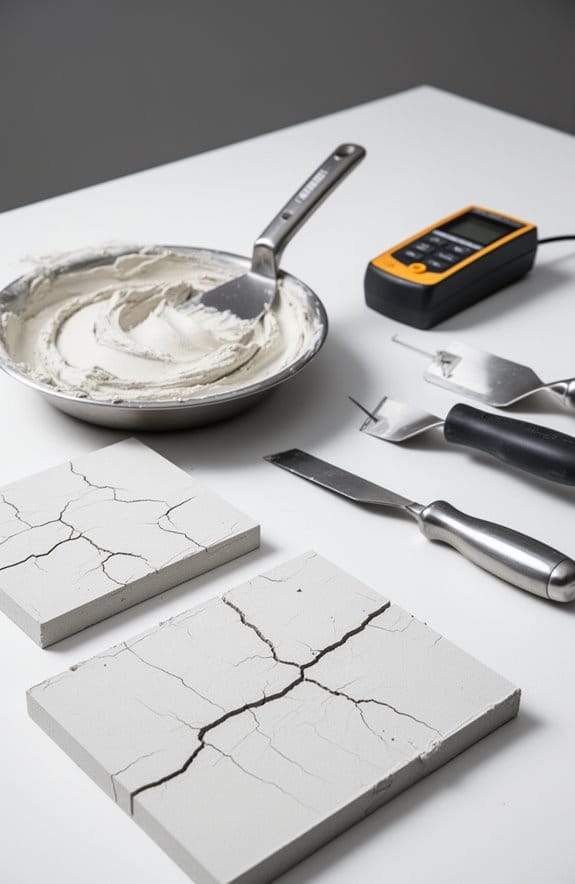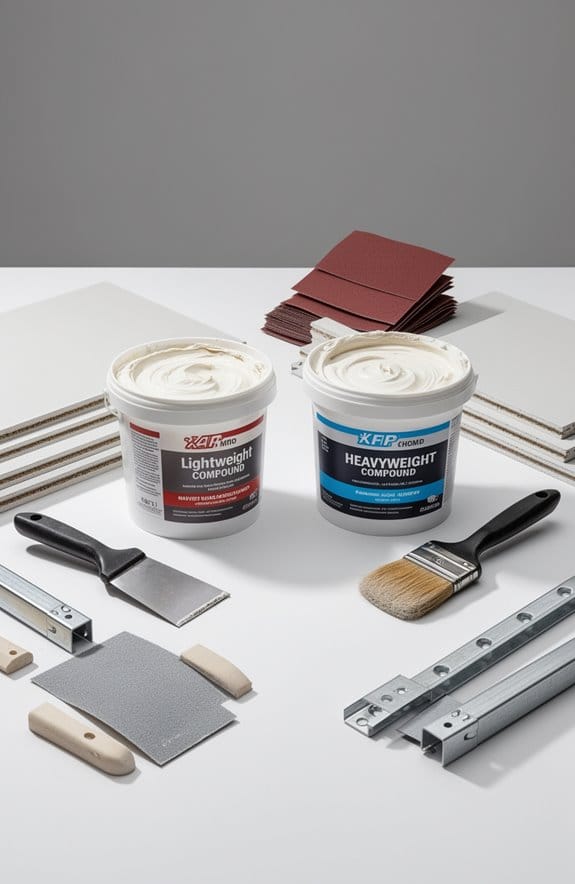

When it comes to picking a joint compound, you might find yourself trapped between lightweight and heavyweight options. Have you ever struggled with which one to use for your projects?
Lightweight joint compounds contain about 90% sand, so they’re super easy to apply and typically dry pretty fast—in about 24 hours. However, they aren’t the best choice for areas that face a lot of moisture.
On the other hand, heavyweight joint compounds shine when it comes to adhesion and minimizing shrinkage. This makes them ideal for seams and tougher repairs, though you’ll need to factor in longer drying times.
If you’re doing a big job, it’s worth considering how each type can affect your results.
So, what’s the best choice for your next project? Here’s the trick: if you’re working in a damp area, lean toward the heavyweight compound to ensure durability. If you’re doing quick patchwork, lightweight could save you time.
Both types have their pros and cons, and understanding their uses will help make your decision easier.
In conclusion, think about where and how you’ll use the compound before deciding. Which type do you think will work best for your needs?
Key Takeaways
- Lightweight joint compound is easier to apply and dries quickly, suitable for smaller, fast-paced projects.
- Heavyweight joint compound offers superior durability and is ideal for large repairs and high-traffic areas.
- The material composition differs: lightweight contains more sand, while heavyweight has more water and latex, enhancing its strength.
- Lightweight compounds allow painting within 24 hours, while heavyweight takes longer to cure but provides a tougher finish.
- For moisture-prone areas, like bathrooms, heavyweight compounds are recommended due to their better durability against high humidity.
What Is Lightweight Joint Compound?
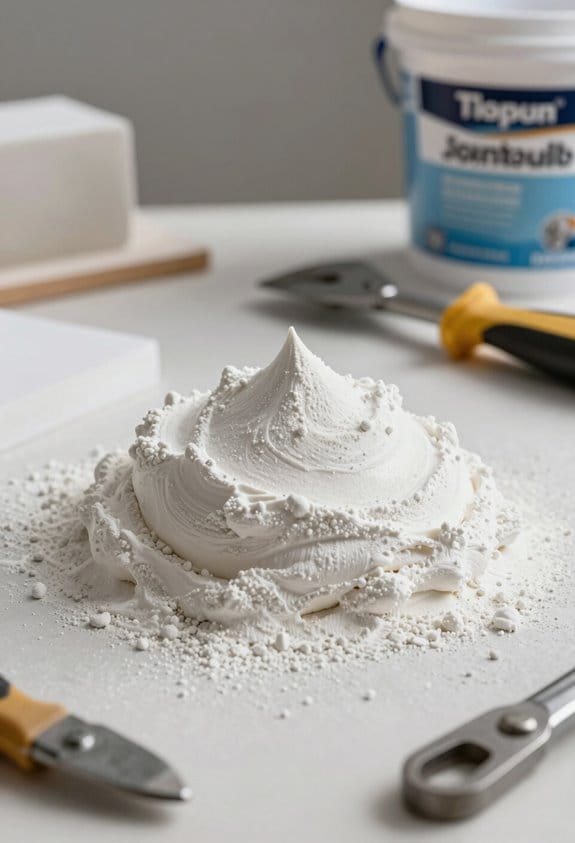
Lightweight joint compound, often called “mud,” is a handy product that can simplify your drywall projects. Made up of about 90% sand, it’s way lighter than the heavyweight stuff. If you’re tackling drywall finishing, especially for filling in cracks or gaps, this compound’s softer consistency makes life a lot easier.
You’ll appreciate how quickly lightweight joint compound goes on and dries. In fact, you can usually paint over it within 24 hours! But, and this is important, it doesn’t hold up well in high moisture areas, so keep that in mind if you’re working in a bathroom or kitchen.
Here’s the trick: this compound shines in various joint work, speeding up your finishing tasks significantly. Imagine not having to spend forever sanding and prepping—it’s all about making your project flow smoother.
So, why does this matter? If you want your drywall finishing to be as efficient as possible, lightweight joint compound is definitely worth considering. It can help you get that clean, beautiful look in less time, leaving you with more hours to enjoy the results of your hard work.
In short, when you’re planning your next drywall project, remember that lightweight joint compound has its place, if used wisely. One key benefit is its extended open time, which offers flexibility during application.
Have you tried it before, or do you have a favorite method for finishing drywall?
Explore the Strengths of Heavyweight Joint Compound
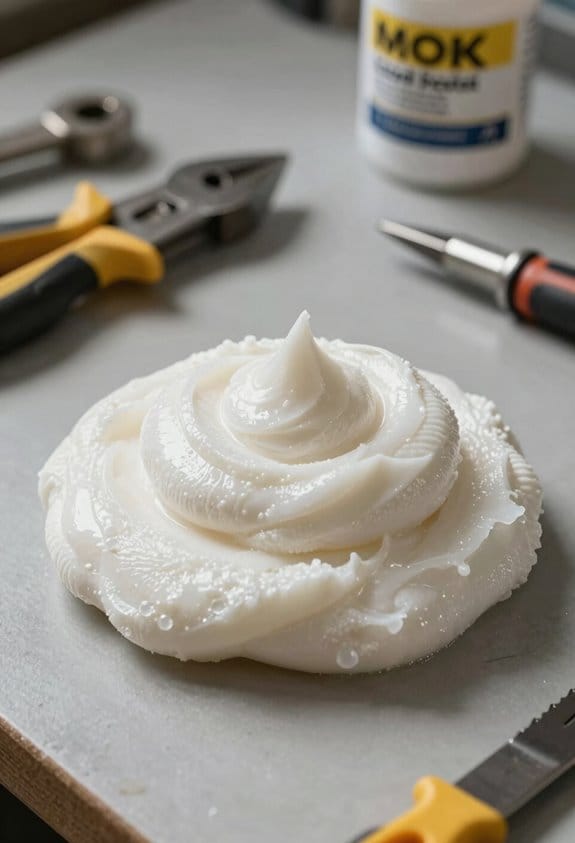
Have you ever struggled with joint compounds that just don’t seem to stick? If that’s the case, heavyweight joint compound might just be what you need. Its impressive adhesive abilities make it fantastic for securely bonding paper tape during drywall installation. Plus, it has a pretty low shrinkage rate, which helps you install tape smoothly and create a solid base.
In finishing work, heavyweight joint compound shines with its tougher finish that offers excellent resistance to cracking. This is especially important in high-traffic areas where wear and tear tend to happen. You’ll appreciate that it generally needs fewer touch-ups after it dries, which can save you a ton of time down the line.
You’ll often find heavyweight joint compound in both dry powder and pre-mixed versions, making it a versatile choice for any project. So, if you’re aiming for a professional look in your drywall work, this is definitely worth considering.
Truth is, when you want durability and a flawless finish, heavyweight joint compound does the trick. Why not give it a try on your next project and see how it performs? You may find it’s just what you were looking for. Additionally, choosing a compound with low VOC formulations helps improve indoor air quality during use.
What Sets Lightweight and Heavyweight Joint Compounds Apart?
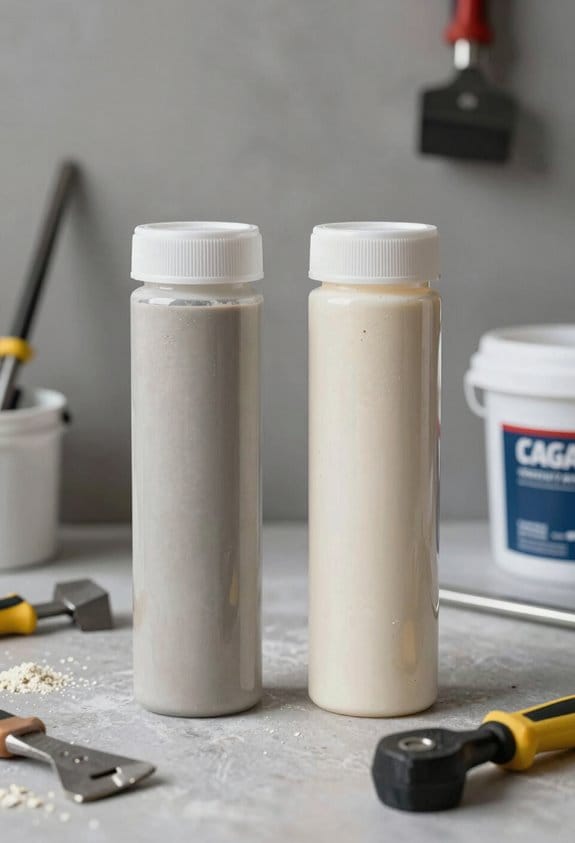
When tackling a drywall project, have you ever wondered why choosing between lightweight and heavyweight joint compounds matters? Honestly, it can make a big difference in how your project turns out and how easy it is for you.
Lightweight joint compound is mostly sand—about 90%—which makes it super easy to apply. If you’re working on quick fixes or minor projects, this is often your best bet since it dries faster. You can usually paint over it within 24 hours. On the flip side, heavyweight compounds have more water and latex, so they’re denser and take longer to cure. But here’s the trade-off: they offer better durability.
So, why does this matter? If you’re simply filling cracks or doing a quick job, lightweight will serve you well. But for taping joints or tackling larger repairs, heavyweight is where it shines, especially in high-traffic areas where you really need that extra strength and adhesion.
The best part is knowing what your project needs ahead of time. If it’s a quick in-and-out job, go lightweight. If you’re looking to ensure a long-lasting finish, heavyweight is the way to go. Additionally, considering the drying time efficiency of the compound can help minimize project wait times and optimize application.
Key Benefits and Drawbacks of Lightweight Joint Compound
Choosing the right joint compound can make or break your drywall project. If you’re looking for an easier way to tackle the job, lightweight joint compounds could be the answer. They’re super easy to transport and apply, especially when you’ve got larger areas to deal with. Plus, these compounds dry quicker than regular ones, meaning you can get to painting within 24 hours. And let’s be honest, the softer finish can actually save you some time when it comes to sanding down for those finish coats.
But before you dive in, don’t overlook the drawbacks. Lightweight joint compound doesn’t hold up as well under pressure and is more vulnerable to moisture. So, if you’re working in a high-moisture area, this might not be your best bet. It’s wallet-friendly, usually priced around $20 to $30 for a 5-gallon bucket, but you may find yourself dealing with peeling paint and durability problems, especially in high-traffic spaces. Considering the importance of proper load capacity and material handling can help prevent damage during drywall installation.
Pros and Cons of Heavyweight Joint Compound
When it comes to tackling drywall projects, one question that often pops up is: should you go with heavyweight joint compound or stick to the lighter stuff? There are pros and cons to heavyweight joint compound that can really make a difference in your work.
For starters, it’s known for its impressive adhesive properties. This means it’s great at bonding paper tape, which is pretty crucial for strong seams. Plus, it dries to a tougher finish, giving your walls better protection than lighter options. Another bonus? The heavier compound shrinks more during the drying process, making it ideal for recessed tape installation—no one wants those pesky bulges!
On the flip side, heavyweight joint compound can hit your wallet a bit harder, often costing between $60 and $120 for a 5-gallon bucket. If you’re taking on a big repair project, the price can really add up. So, if you’re watching your budget, standard joint compound might be a more cost-effective choice.
Think about your needs before you decide. Do you need that extra strength and durability for a specific project? Or will lightweight compound do the trick for your repairs? Balancing these factors is key to finding the best fit for your project. What’s your go-to choice for joint compound? Keep in mind that durability features also contribute significantly to long-lasting results.
Best DIY Applications for Lightweight Joint Compound
When you’re diving into drywall projects, lightweight joint compound is often a go-to option for those small fixes around the house. Whether you’re dealing with little cracks or gaps, it’s perfect for those quick repairs. Its more fluid consistency makes it really user-friendly for these jobs, and you’ll be glad to know it sands down easily. No one wants to spend hours trying to get that smooth finish.
For home improvement projects, this type of compound has a pretty quick drying time—usually around 24 hours. That means you can paint sooner rather than later, which is a total win! Plus, it won’t break the bank. You can generally grab a 5-gallon bucket for $20 to $30.
However, keep in mind: it’s not the best option for high moisture areas. So, if you’re thinking about using it in a bathroom or kitchen, you might want to look for something more durable. Many professionals recommend considering material composition when selecting the right joint compound for your project to ensure durability and finish quality.
Recommended Products

LEVEL 5+ SMOOTH FINISH: Ideal for seams, base coats, and finish coats. Formulated to deliver a consistent, professional Level 5+ smooth finish. (For heavy repairs and textured surfaces, check out the Heavy Duty Formula)

Repeatable frictional characteristics

【𝟓𝐆𝐀𝐋𝐋𝐎𝐍 𝐕𝐀𝐂𝐔𝐔𝐌 𝐂𝐇𝐀𝐌𝐁𝐄𝐑】Strong and durable stainless steel 11.5"(ID)×11.5"(H) degassing chamber with silicone gasket. Silicone gasket to be used over 10,000 times without deterioration. Liquid filled gauge measuring range of vacuum gauge:0-30inHg.
Ideal Uses for Heavyweight Joint Compound in Professional Settings
When tackling drywall projects, you might wonder how to get that professional, polished finish you’re after. The key? Choosing the right joint compound. Heavyweight joint compound should be your go-to for the first layer when you’re taping seams. It sticks well, reducing the risk of cracks and giving your work the sturdy foundation it needs.
Here’s the trick: this compound excels at filling larger holes. Its thicker consistency means it dries tougher, making for a long-lasting finish that can stand up to wear and tear. If you’re working in high-traffic areas, lightweight compounds just don’t cut it. Heavyweight options provide that extra durability you’ll appreciate down the line.
Don’t forget about those inside corners and edges. Heavyweight joint compound offers better protection in these delicate spots, so you’re less likely to see damage as time goes on. Plus, the finish is strong enough to get sanded down to a smooth surface, setting you up perfectly for high-quality topcoats.
So, why does this matter? Because when you take the time to invest in the right materials, it shows in the end result. You want your drywall projects to last, and heavyweight joint compound can help you achieve that. For best results, be sure to use the right sanding materials to create an even, seamless surface that blends perfectly with the existing wall texture.
Recommended Products


PAVING JOINT FILLER: This EasyJoint Select range is developed from our best-selling EASYJoint Original and is equally easy to use and faster than traditional methods. Our easy joint compound is used by professionals and DIY installers all around the world. Quick, effective, and aesthetically pleasing way to fill joints between paving. For all joints of 3mm wide and over

This product adds a great value
How to Decide Between Lightweight and Heavyweight Joint Compounds?
How do you choose between lightweight and heavyweight joint compounds for your drywall projects? It’s a common dilemma, and the right choice can make all the difference in your results. If you’re after a quick application and shorter drying times, lightweight joint compound is the way to go. It dries faster, which means you can usually paint within 24 hours.
For those tougher jobs where durability is key, particularly when filling large gaps, heavyweight joint compound should be your go-to option. It’s stronger and holds up better in demanding situations. Honestly, think about the moisture exposure in your space, too. Lightweight compounds might not fare well in areas with high humidity.
Now, let’s talk money. Lightweight options are more budget-friendly, typically costing between $20 to $30 for a 5-gallon bucket. On the other hand, heavyweight compounds can set you back anywhere from $60 to $120. So, what’s your priority—speed and ease or durability and strength? Additionally, some compounds offer moisture-resistant options ideal for wet area applications, enhancing their suitability in different environments.
With all this in mind, you can make a confident choice that fits your project’s needs. What’s your next project going to be?
Tips for Working With Joint Compounds in Various Projects
Starting projects off right makes a big difference, especially when you’re working with joint compounds. If you’re diving into a fast-paced DIY task, lightweight joint compound is the way to go. It’s got a quicker drying time, so you can paint within 24 hours. Just think about how nice it’ll be to see your progress that fast!
When it comes to taping and those tricky inside corners, heavyweight joint compound shines. It sticks better and offers the durability you need for a solid finish. For those larger repairs, grab the lightweight compound again. It spreads easily and requires fewer coats, which is a real time-saver.
Don’t forget to sand your surfaces before calling it a day! A smooth finish is key to a professional-looking project. If you’re leaning toward using heavyweight joint compound for your final coats, that’s a smart choice. It adds a protective layer that helps reduce brittleness so your work lasts.
Choosing compounds with low shrinkage also ensures a uniform and crack-free finish, which is crucial for lasting results.
Every project has its unique demands, so having some daily tips can really make all the difference. Think lightweight for small jobs and heavyweight for results that stand the test of time. So, what will you tackle next?
Frequently Asked Questions
What Is the Difference Between Lightweight and Heavyweight Joint Compounds?
Lightweight joint compounds dry faster, are easier to sand, and cost less, while heavyweight options offer better adhesion and durability. We should consider our application techniques, drying times, sandability factors, and cost when choosing.
When Should You Use Lightweight Joint Compound?
When we’re tackling quick repairs, lightweight joint compound’s fast-drying time and easy application techniques shine. Compared to heavyweight, it requires less sanding, but let’s remember—it’s not meant for the heavy-duty projects we might envision.
When to Use Heavyweight Vs Lightweight Spackle?
We should use lightweight spackle for quick touch-ups and easier application, while heavyweight spackle’s advantages shine in larger repairs. Their drying time differences further guide our choice based on project needs and techniques.
Does It Matter What Kind of Drywall Mud You Use?
It absolutely matters what kind of drywall mud we use! Choosing the right joint compound application can elevate our drywall finishing techniques, shaping stunning texture styles and effective repair methods that breathe new life into our spaces.